
Introduction: The Rise of Dualmedia in the AI Era
ai insights dualmedia Artificial Intelligence is no longer just a buzzword—it’s a living, breathing part of how we work, learn, shop, and connect. From recommendation engines suggesting what to binge-watch, to smart assistants scheduling our meetings, AI has slowly crept into the backbone of modern life. But among the latest developments shaking up the industry is something fresh and exciting: AI Insights Dualmedia.
Dualmedia is essentially the art and science of merging two forms of media—visual and textual, audio and interactive, or even physical and digital—to create richer, more personalized experiences. When powered by AI insights, Dualmedia takes on a whole new dimension. It’s not just about presenting content across two mediums; it’s about learning from user behavior, predicting needs, and delivering tailored experiences that resonate deeply.
The term “AI Insights Dualmedia” combines two powerful ideas: the ability of AI to process massive amounts of data and generate actionable insights, and the creativity of using two media channels together for maximum engagement. This union is transforming industries from marketing and e-commerce to education and healthcare. Let’s break it down into practical terms, and see why this concept is gaining traction so quickly.
Understanding the Core of AI Insights Dualmedia

At its simplest, AI Insights Dualmedia can be understood as AI-driven personalization across multiple media touchpoints. Imagine scrolling through a product catalog online. The images aren’t static; instead, they adapt based on your previous clicks, your search history, and even subtle signals like the time you usually shop. Simultaneously, the accompanying text descriptions adjust their tone—maybe more casual if you’re younger, or more professional if you’re browsing for work-related products.
That’s Dualmedia in action: visual plus text, orchestrated by AI insights. But it doesn’t stop there. For example, an educational platform could use Dualmedia by blending video lectures with real-time AI-generated quizzes. The system analyzes where a student struggles and tailors the next set of visuals and questions to strengthen weak spots.
What makes Dualmedia so fascinating is that it’s not limited to one industry or one type of media pairing. It’s fluid. AI can combine podcasts with interactive visuals, customer support chatbots with product explainer videos, or fitness tracking data with motivational audio prompts. And because AI is at the center, the more people interact, the smarter the system becomes.
Another core idea here is that AI doesn’t just push content—it pulls insights. Every user action becomes a datapoint. Over time, Dualmedia platforms don’t just display “two media types”; they curate experiences uniquely matched to each user’s habits, preferences, and goals. This is the next stage of personalization, one step above the typical recommendation engines we’ve grown used to.
Why AI Insights Dualmedia Matters Today
So, why does all of this matter now? The short answer: consumer expectations have evolved. People no longer want one-size-fits-all experiences. They want content and services that feel personal, meaningful, and adaptive. And traditional marketing or educational approaches can’t keep up with this demand on their own.
Think about online advertising for a moment. Banner ads used to work, but now we mostly ignore them. People crave interaction and relevance. With AI Insights Dualmedia, the ad doesn’t just show up as a static image. Instead, it could pair an engaging animation with a dynamic, AI-tailored caption that reflects something you’ve recently searched for—without feeling intrusive. Suddenly, the ad feels like it belongs in your world, not just shoved in front of you.
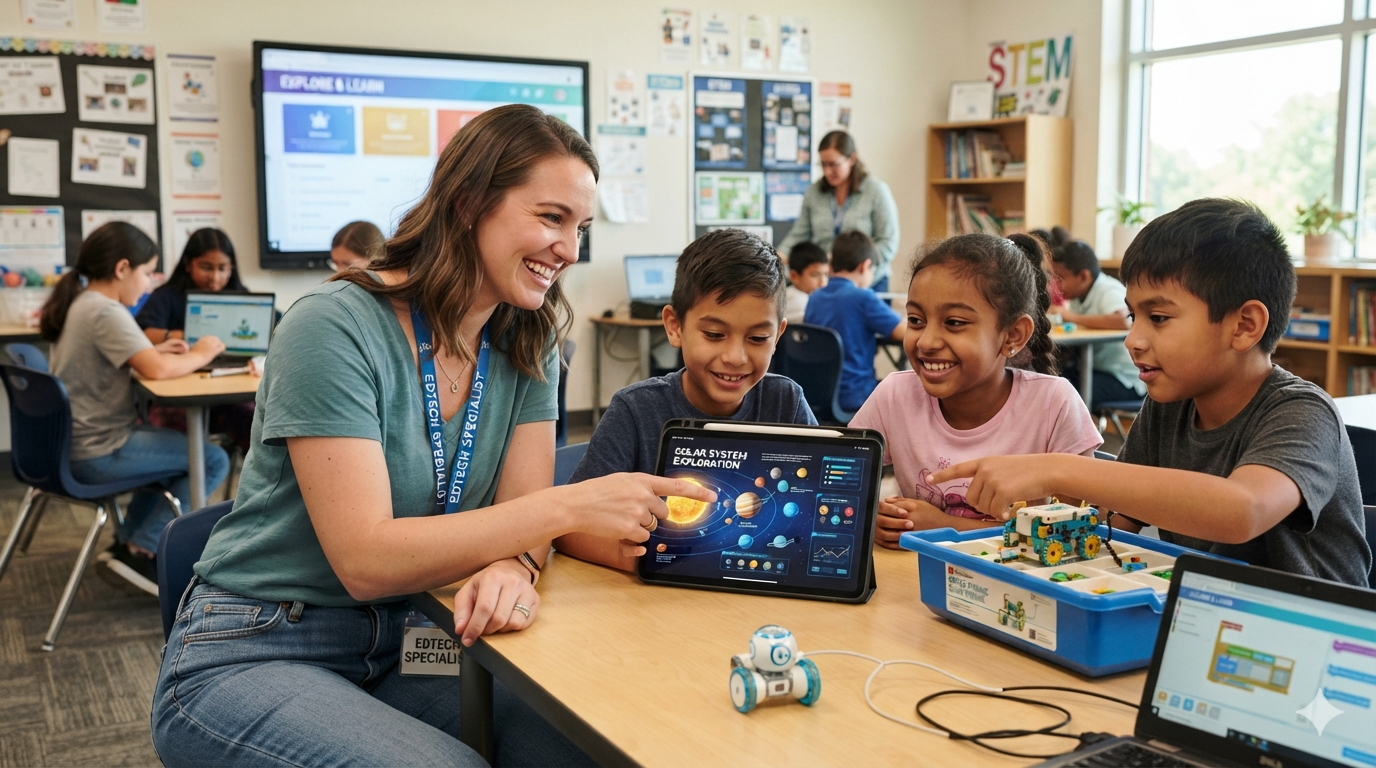
Another area where Dualmedia is gaining importance is learning and development. Today’s learners—whether students or professionals—are overwhelmed with information. AI Insights Dualmedia steps in by blending explanatory videos with adaptive reading materials. If you grasp a concept through visuals, AI emphasizes infographics and animations. If you prefer structured text, it provides more detailed reading materials. It’s about teaching people in the way they learn best.
Even in healthcare, Dualmedia is playing a role. Patients might receive AI-powered visual reports of their health metrics alongside personalized audio advice from a virtual coach. It’s far more impactful than a wall of numbers on a PDF. And because AI interprets trends over time, the feedback becomes proactive, warning patients of potential risks before they escalate.
The bottom line: AI Insights Dualmedia matters today because it connects technology with humanity. It bridges the gap between raw data and relatable storytelling.
Real-World Applications of AI Insights Dualmedia
1. Marketing and Advertising
Marketers love buzzwords, but this one has teeth. Imagine a brand launching a new sneaker. Instead of a single ad, the campaign could feature a dynamic video tailored to different audiences, with captions that change based on browsing history. Someone interested in sports sees performance-focused messaging, while a casual shopper sees lifestyle-oriented content. That’s personalization beyond “Hey [First Name]!”
2. Education and E-Learning
E-learning platforms are already experimenting with AI-driven tools, but Dualmedia takes it further. Students could watch a lecture while an AI system highlights key points in text on the side, adjusting the reading level to suit the learner’s age. For younger learners, the text might be simplified with colorful images. For advanced learners, it could include deeper academic references.
3. Healthcare and Wellness
Doctors and patients are drowning in data. Dualmedia transforms medical insights into digestible formats. A diabetic patient, for example, could see a graph of their glucose levels paired with AI-generated explanations in plain language. Instead of just saying “Your levels are high,” it could add, “Here’s a visual breakdown of when your spikes occur, along with meal suggestions.”
4. Customer Service
Chatbots are useful, but sometimes text alone isn’t enough. With Dualmedia, customer support could pair chat responses with short video tutorials or annotated diagrams. AI learns which format solves problems fastest and adapts accordingly. This not only reduces frustration but also builds trust between customers and brands.
5. Entertainment and Media
Streaming services are testing features that combine AI with Dualmedia. Think of a movie trailer that shifts its visuals or soundtrack based on your viewing habits. If you lean toward action films, you see more chase scenes. If you prefer romance, the trailer highlights relationship arcs. This kind of immersive, AI-curated content keeps users hooked.
Challenges and Considerations in Dualmedia Adoption
Of course, nothing this powerful comes without challenges. The biggest concern is privacy. AI systems thrive on data, but collecting and analyzing personal behavior raises questions about consent and security. Companies must strike a balance between personalization and respect for user boundaries.
Another challenge is content overload. If not carefully designed, Dualmedia experiences can overwhelm users by throwing too many media formats at once. The key lies in thoughtful design—AI must know when to simplify and when to enrich.
Finally, there’s the ethical side. When AI learns how people think, it could also be used manipulatively. Brands could push unnecessary consumption or sway emotions in unhealthy ways. This makes transparency and ethical guidelines crucial in building trust.
Despite these hurdles, the opportunities far outweigh the risks—especially if industries adopt Dualmedia responsibly.
The Future of AI Insights Dualmedia
Looking ahead, the potential for AI Insights Dualmedia is enormous. With the rise of AR and VR, we may soon see immersive environments where multiple media layers interact in real time. Imagine walking through a virtual store where products not only appear visually but also generate AI-driven audio guides explaining features tailored to your needs.
We’re also likely to see greater cross-industry collaboration. For instance, healthcare providers, fitness brands, and nutrition companies could share data responsibly to deliver unified Dualmedia experiences. A user might get a weekly health dashboard combining workout videos, diet recommendations, and personalized motivational messages—all AI-curated across multiple media formats.
And as AI models continue to improve, Dualmedia will become more conversational and adaptive. Instead of passively receiving information, users will co-create experiences with AI—almost like having a personal creative partner.
The future isn’t just about smarter technology; it’s about smarter connections. Dualmedia ensures those connections are vivid, personal, and unforgettable.
Conclusion: Why You Should Pay Attention to AI Insights Dualmedia
AI Insights Dualmedia isn’t just another tech fad—it’s a paradigm shift in how we communicate, learn, and interact with the digital world. By combining the analytical power of AI with the immersive nature of dual media formats, businesses, educators, and creators can deliver content that feels alive, personal, and impactful.
From marketing campaigns that actually resonate, to e-learning that adapts in real time, to healthcare tools that empower patients, the possibilities are endless. Yes, challenges like privacy and ethics exist, but with careful design and transparent practices, Dualmedia can become a cornerstone of digital innovation.
If you’re in business, media, or education, now is the time to experiment with AI Insights Dualmedia. Because the truth is simple: audiences aren’t satisfied with static, generic content anymore. They want experiences that understand them, adapt to them, and evolve with them. And Dualmedia, guided by AI insights, is the smartest way forward.