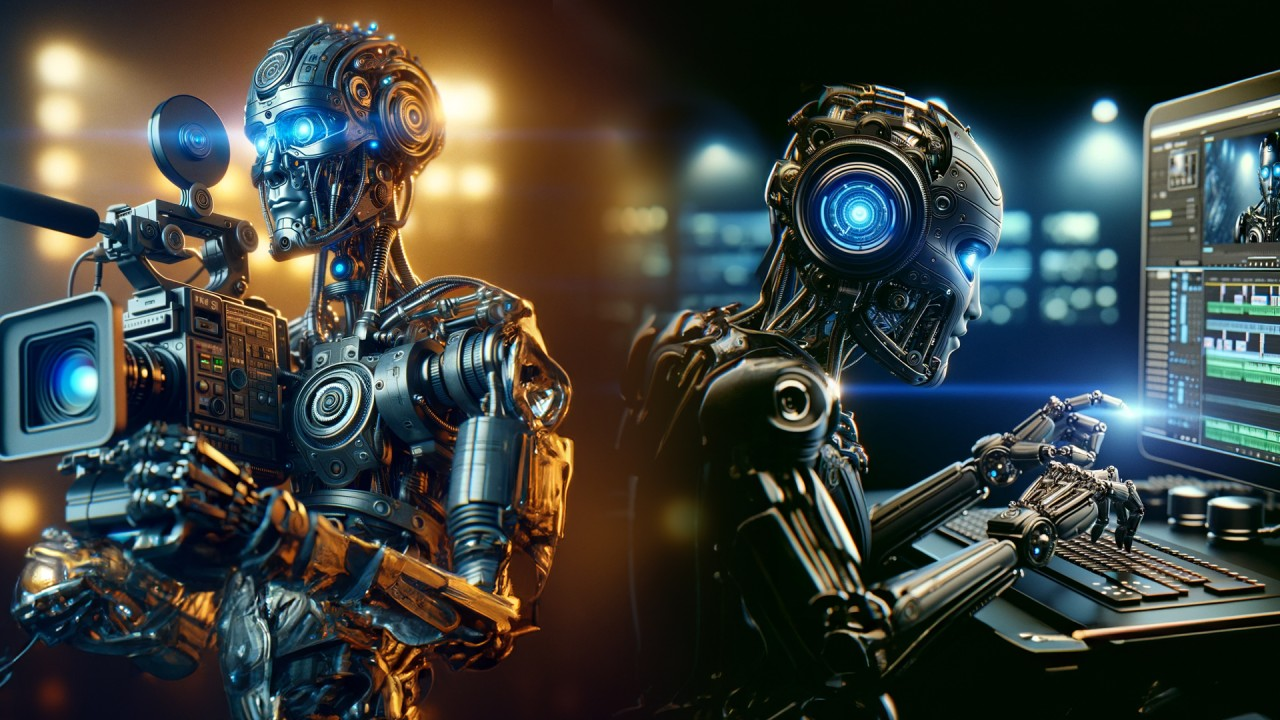
In the rapidly evolving world of digital content creation, visuals have become more powerful than ever. Static images are no longer enough to capture attention in a competitive online environment. Social media platforms, marketing campaigns, and entertainment channels now demand motion-based content that feels engaging and immersive. This is where image to video AI technology steps in, transforming ordinary photos into dynamic videos within minutes.
The ability to convert a single image into a moving video has completely changed how creators, marketers, and everyday users approach content production. Instead of recording new footage or learning complex editing software, users can now upload a simple photo and generate animated, cinematic video content automatically. This innovation has opened new doors for storytelling, branding, and creative experimentation.
What Is Image to Video AI?
Image to video AI is a technology that converts static images into animated video clips using advanced machine learning models. The system analyzes the image, detects facial features, objects, backgrounds, and depth, and then applies motion effects to simulate real movement.
Unlike traditional video editing, where creators manually animate frames, image to video AI automates the entire process. It predicts how elements in the image should move, adds transitions, enhances lighting, and even creates subtle facial expressions or environmental motion. The result is a realistic video generated from a still photo.
This technology is widely used for social media content, digital advertising, online storytelling, and creative design projects.
How Image to Video AI Works
The working process behind image to video AI involves deep visual analysis and motion prediction. When a user uploads a photo, the system first scans it to identify subjects, faces, objects, and background layers. It then creates a depth map to understand which elements are closer and which are farther away.
After analyzing the structure of the image, the tool generates motion effects such as camera zoom, head movement, blinking, hair motion, or background animation. Some advanced systems can even simulate natural gestures and environmental changes like wind or lighting shifts.
All these processes happen automatically, allowing users to generate engaging videos without manual editing skills.
Why Image to Video AI Is Becoming Popular
The demand for image to video AI tools is growing rapidly due to several reasons. First, video content consistently performs better than static images on social media platforms. Animated content captures attention more effectively and encourages higher engagement rates.
Second, creating videos traditionally requires cameras, editing software, and technical knowledge. Image to video AI removes these barriers, making video production accessible to beginners and professionals alike.
Third, businesses and marketers need to produce content quickly. Automated image-to-video conversion saves time while maintaining quality, making it ideal for fast-paced digital campaigns.
Key Features of Image to Video AI
Modern image to video AI tools offer a wide range of features designed to enhance creativity and efficiency.
Automatic Motion Generation
The system intelligently adds realistic movements to static images.
Facial Animation
Faces in photos can blink, smile, or slightly turn to create natural expressions.
Camera Effects
Zoom-in, zoom-out, pan, and cinematic transitions are automatically applied.
Background Animation
Elements such as clouds, water, or lights can appear animated for dramatic effect.
High-Resolution Output
Videos are generated in high quality, suitable for social media and marketing use.
These features make image to video AI a powerful solution for modern content creation.
Use Cases of Image to Video AI
The applications of image to video AI extend across multiple industries.
Social Media Content Creation
Influencers and creators use animated images to stand out in crowded feeds.
Marketing and Advertising
Brands transform product photos into engaging promotional videos.
E-Commerce Platforms
Online stores convert product images into short video previews to increase conversions.
Digital Storytelling
Writers and bloggers bring their characters and concepts to life visually.
Personal Projects
Individuals animate old family photos or create memorable visual effects for special occasions.
The versatility of image to video AI makes it suitable for both personal and professional use.
Benefits of Using Image to Video AI
One of the biggest advantages of image to video AI is efficiency. It eliminates the need for manual animation and video production, saving both time and resources. Users do not need professional editing skills to produce high-quality videos.
Another major benefit is accessibility. Since many tools are browser-based, users can create videos directly online without installing complex software.
Cost-effectiveness is also a significant factor. Traditional video production can be expensive, but automated image-to-video solutions provide affordable alternatives.
Creative Possibilities with Image to Video AI
The creative potential of image to video AI is virtually unlimited. Artists can experiment with animated portraits, marketers can produce emotional storytelling campaigns, and educators can transform illustrations into engaging learning materials.
Even a single portrait can be turned into a dramatic cinematic clip with subtle head movements, natural lighting shifts, and background animation. This level of transformation allows creators to produce professional-looking content from simple images.
As technology continues to advance, motion realism and detail accuracy are expected to improve even further.
Challenges and Limitations
While image to video AI offers impressive capabilities, there are some limitations. The quality of the final video heavily depends on the quality of the original image. Low-resolution or poorly lit photos may produce less realistic motion.
Additionally, extremely complex scenes with multiple subjects can sometimes result in minor motion inaccuracies. However, continuous improvements in visual modeling are reducing these challenges over time.
Users can achieve better results by uploading clear, high-resolution images with proper lighting and defined subjects.
Ethical Considerations in Image Animation
As with any visual transformation technology, responsible usage is important. Animated content should not be used to misrepresent individuals or create misleading visuals.
Creators should ensure they have proper permission to use images, especially when working with personal or commercial projects. Ethical practices help maintain trust and positive application of image to video AI tools.
Advanced Trends in Image to Video Technology
The future of image to video AI is evolving toward greater realism and interactivity. Upcoming innovations may include full-body animation, real-time motion editing, and 3D depth enhancement.
Integration with augmented reality and immersive environments could also expand creative possibilities. As systems become more accurate, the line between real video footage and animated image-based videos will continue to blur.
This ongoing innovation signals a transformative shift in digital content production.
Expanding Creative Expression with AI Kissing Generator
In recent developments, creators are exploring advanced motion-based tools such as AI kissing generator to simulate emotional interactions between characters in animated visuals. These tools are designed for creative storytelling, entertainment projects, and digital art concepts where lifelike gestures enhance narrative impact. When used responsibly, such technology adds another layer of expressive depth to image-based video creation.
Conclusion
The rise of image to video AI technology has redefined how digital content is created and consumed. By converting static photos into dynamic, engaging videos, this innovation empowers creators, marketers, and individuals to produce compelling visual stories without technical complexity.
From social media content and advertising campaigns to personal creative projects, image to video AI offers efficiency, accessibility, and professional-quality results. As advancements continue, motion accuracy and realism will improve even further, expanding opportunities for visual storytelling.
By embracing image to video AI, content creators can stay ahead in the competitive digital landscape and transform ordinary images into extraordinary video experiences.