
Home cleaning has changed a lot in recent years. Many people now look for tools that save time and effort. Wet dry vacuums promise to do more than traditional methods. They combine dry pickup and wet cleaning in one process. But are they really worth the cost? This practical analysis looks at value, benefits, and real-life use.
Understanding What a Wet Dry Vacuum Does
Before judging the value, it helps to understand the function.
More Than Just a Vacuum
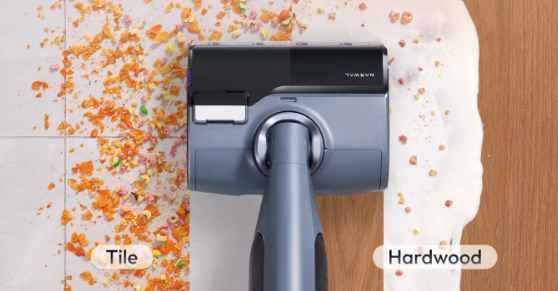
A wet dry vacuum removes dust, crumbs, and hair. At the same time, it washes the floor using water. This allows one pass instead of two. The result is faster and more consistent cleaning.
Designed for Hard Floors
These devices work best on sealed hard floors. Tile, vinyl, laminate, and similar surfaces respond well. They are not meant to replace every cleaning tool. Their strength lies in floor care efficiency.
Comparing Costs to Traditional Cleaning Methods
Price is often the first concern for buyers.
Upfront Cost vs Long-Term Use
Wet dry vacuums usually cost more than basic mops or vacuums. However, they replace multiple tools. Over time, this can reduce the need for separate equipment. Fewer tools also mean less storage clutter.
Reduced Spending on Supplies
Traditional cleaning often requires buckets, pads, and disposable items. Combined cleaning tools often use reusable components. This can lower recurring costs. Over months or years, savings add up.
Time Savings in Daily Cleaning
Time is a valuable resource in modern homes.
One Step Instead of Two
Vacuuming and mopping usually happen separately. This doubles the effort and time. A wet dry vacuum handles both at once. Floors are cleaned faster without cutting corners.
Easier Routine Maintenance
Quick daily cleaning becomes more realistic. Small messes do not feel overwhelming. This encourages consistency rather than occasional deep cleaning.
Cleaning Performance in Real Homes
Effectiveness matters more than features.
Handling Everyday Messes
Spilled drinks, dust, and footprints are common issues. Wet dry vacuums are built for these situations. They remove debris before washing the floor. This prevents smearing dirt around.
Better Results on High-Traffic Areas
Kitchens and entryways get dirty quickly. Frequent cleaning keeps them fresh. A combined cleaning approach handles these areas well. Results stay more consistent over time.
Hygiene and Water Management
Clean floors should also be hygienic.
Avoiding Dirty Water Reuse
Traditional mopping often spreads dirty water. This reduces cleanliness and leaves residue. Wet dry vacuums separate clean and dirty water. Floors are washed with fresh water throughout the process.
Faster Drying Floors
Controlled water use leaves less moisture behind. Floors dry quickly and evenly. This reduces slip risk and prevents water damage.
Ease of Use and Physical Effort
Comfort affects how often a tool gets used.
Less Strain on the Body
Manual mopping involves bending and lifting. Heavy buckets add strain. Wet dry vacuums reduce these movements. Upright operation feels more natural.
Smooth Movement Improves Control
Good maneuverability makes cleaning less tiring. Moving around furniture feels easier. This improves coverage without extra effort.
Maintenance and Ongoing Care
Maintenance plays a role in long-term value.
Simple Cleaning After Use
After cleaning, tanks need to be emptied. Straightforward designs make this easy. When maintenance feels simple, users stay consistent. Clean tools last longer and perform better.
Long-Term Reliability
Regular care supports durability. Fewer accessories reduce wear points. Over time, this helps justify the initial investment.
Who Benefits Most from Wet Dry Vacuums
Not every household has the same needs.
Busy Homes and Families
Homes with children face frequent spills. Quick cleanup matters. A combined tool supports fast responses. This keeps floors cleaner throughout the day.
Pet Owners
Pet hair and muddy paws create daily messes. Wet dry vacuums manage hair and dirt together. This reduces buildup and odors.
Small and Medium Living Spaces
Apartments and townhomes benefit from efficiency. Limited storage favors multi-purpose tools. One device replacing two makes sense in smaller spaces.
When a Wet Dry Vacuum May Not Be Necessary
Honest analysis includes limitations.
Homes with Mostly Carpet
These devices focus on hard floors. Carpet-heavy homes may see less value. A traditional vacuum may remain the primary tool.
Infrequent Floor Cleaning Habits
If floors are cleaned only occasionally, benefits may feel limited. Value increases with regular use. The more often it is used, the more sense it makes.
Evaluating Value Beyond Price
Investment is not just about money.
Convenience and Consistency
Easy cleaning encourages better habits. Floors stay cleaner with less effort. This improves overall home comfort.
Quality of Life Improvements
Clean floors affect how a home feels. Less time spent cleaning means more time for other activities. Convenience has real value.
Exploring the Option Further
For those considering a combined cleaning approach, learning more helps with decision-making. A wet dry vacuum offers a balance of efficiency and performance for many homes.
Final Verdict
Are wet dry vacuums worth the investment? For many households, the answer is yes. They save time, reduce effort, and improve cleaning results. While the upfront cost is higher, long-term convenience and efficiency matter. Homes with hard floors, busy routines, or pets gain the most value. A thoughtful purchase can turn daily cleaning into a simpler task.