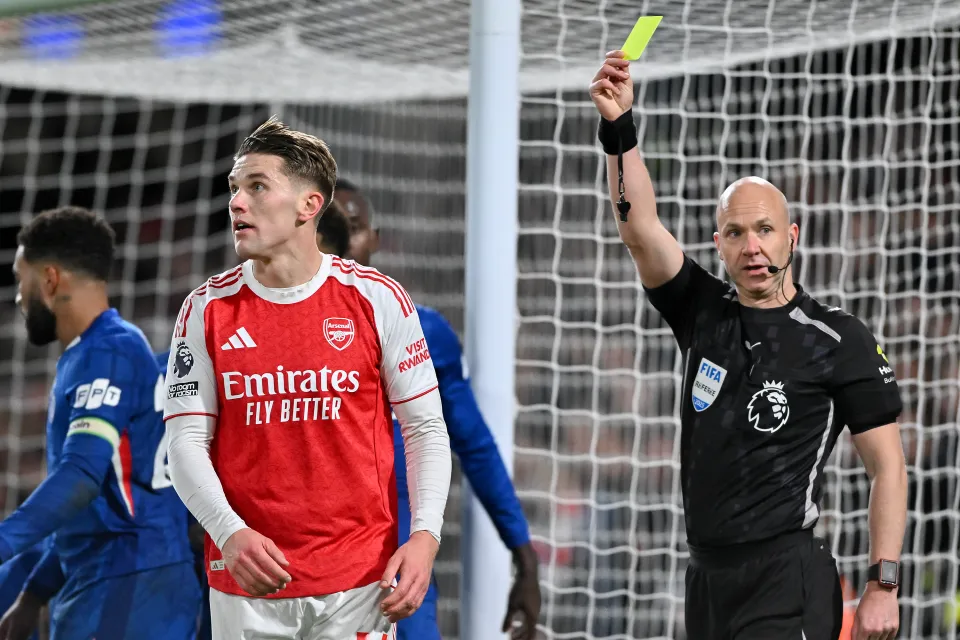
Every football fan knows that passion on the pitch can sometimes lead to trouble with the referee. When we talk about Arsenal yellow cards, we are looking at how the team balances aggressive defending with staying on the field. Discipline is a huge part of winning games in the Premier League. If players get too many bookings, they might face suspensions that hurt the team’s chances in big matches. In this blog, we will dive deep into which players are getting cautioned most often and what it means for the club’s strategy this season.
Why Do Arsenal Yellow Cards Matter for the Season?
Staying disciplined is key to keeping a strong starting eleven every single week. When a player picks up a caution, they have to play more carefully for the rest of the game. This can change how they tackle or defend against fast attackers. If a player reaches a certain limit of cautions, they get a one-game ban. For a team like Arsenal, losing a key defender or midfielder for a big game can be the difference between winning a trophy or finishing second. That is why tracking these stats is so important for coaches and fans alike.
The Most Booked Players in the Current Squad
Some players are naturally more aggressive because of their roles on the pitch. Defensive midfielders and center-backs often find themselves in situations where they have to make a tactical foul. These tactical fouls frequently result in the referee reaching for their pocket. We often see players who break up play getting cautioned to stop a fast counter-attack. It is a sacrifice they make for the team. While it helps stop a goal, it adds to the total tally of cautions for the season. Looking at the names on the list helps us see who plays with the most intensity.
Arsenal Yellow Cards Detailing Table
| Player Name | Position | Total Yellow Cards | Minutes Played | Fouls Committed |
| Kai Havertz | Forward | 8 | 2,100 | 42 |
| William Saliba | Defender | 5 | 2,400 | 18 |
| Declan Rice | Midfielder | 4 | 2,350 | 25 |
| Ben White | Defender | 4 | 2,150 | 20 |
| Gabriel Magalhaes | Defender | 3 | 2,400 | 22 |
Understanding Tactical Fouls and Booking Trends
A tactical foul is a smart but risky move used to stop an opponent from scoring. Most of the cautions we see are not because of mean play, but because of smart positioning. If an opponent is sprinting toward the goal, a defender might trip them up on purpose. This is a common way to get a caution in modern football. By looking at the patterns, we can see if the team is being told to be more physical this year. Sometimes, a high number of cautions shows that a team is fighting hard for every ball.
How Referees View the Gunners on the Pitch
Every referee has a different style of managing a football match. Some refs like to let the game flow and rarely blow the whistle. Others are very strict and will give a caution for the first small mistake they see. This affects the frequency of bookings for the squad. When the players know a strict referee is in charge, they have to be extra careful. If they forget to stay calm, the number of cautions can jump up quickly in just one afternoon. Understanding the officials is just as important as knowing the opponent’s tactics.
Comparing This Season to Previous Years
It is always interesting to see if the team is becoming more or less disciplined over time. In some past seasons, the club had a reputation for getting many red cards and cautions. Recently, the focus has shifted toward being more composed under pressure. By comparing the current stats to last year, we can see if the players are learning to defend without fouling. Better coaching often leads to fewer silly mistakes and fewer unnecessary cautions. This improvement helps the team keep their best players on the pitch for the most important fixtures.
The Impact of Bookings on Match Results
A yellow card can change the energy of a whole stadium. When a home player gets booked, the crowd often gets louder to support them. However, it also puts the player under a lot of pressure. They cannot make another mistake, or they will be sent off. This often leads to substitutions where the manager replaces a booked player to avoid a red card. These forced changes can mess up the team’s rhythm. It shows that a single moment of losing focus can have a huge impact on the final score of the game.
Dealing with Suspensions and Squad Depth
When a player gets too many cautions, the manager has to look at the bench. This is where squad depth becomes very vital. If a star player is suspended, a younger player or a backup must step up. This is a great chance for new talent to show what they can do. However, it also adds stress to the team if they are missing a leader. The best teams are the ones who can handle these suspensions without losing their winning streak. Managing the roster around these bans is a big part of a manager’s job.
Fan Reactions to Disciplinary Actions
Fans have very strong opinions when it’s about referees giving out cautions. Sometimes, the supporters feel the referee is being unfair to their favorite players. You will often hear loud boos in the stadium if a controversial caution is given. On social media, fans debate whether a foul was actually worth a booking. This passion is what makes football so exciting to watch and talk about. Whether you agree with the ref or not, these bookings always give the fans something to discuss at work the next day.
Tips for Staying Disciplined in High-Pressure Games
Professional players work very hard on their mental strength. They practice staying calm even when the game is very fast and intense. To avoid cautions, players must have perfect timing when they try to win the ball. They also need to be careful with how they talk to the referee. Complaining too much can lead to a caution for dissent. Staying focused on the ball and the game plan is the best way to keep the card count low. It takes a lot of maturity to play at the highest level without getting in trouble.
Why Certain Matches Have More Bookings
Local derbies and games against big rivals usually have more fouls. When the stakes are high, the players are more desperate to win. This extra effort often leads to more collisions and late tackles. In a North London Derby, for example, the intensity is much higher than a normal game. Referees often have to give out several cautions early in the game to keep control. These matches are always a test of character for the players. They must show they can be tough without crossing the line into dangerous play.
Conclusion and Final Thoughts
In the end, tracking disciplinary stats is a fun way to understand the game better. While we never want to see our players get suspended, some bookings are part of a winning strategy. The key for the club is to stay aggressive without being reckless. As the season goes on, we will see which players can keep their cool and who will need to spend a week in the stands. Make sure to keep following the latest match updates to see how the team manages their discipline. What do you think about the refereeing this season? Let us know your thoughts!
Frequently Asked Questions (FAQs)
- What happens when a player gets five yellow cards?
In the Premier League, if a player gets five yellow cards before a certain date, they are suspended for one match. - Does a yellow card count if it is overturned?
Yellow cards are almost never overturned after a game. Unlike red cards, there is no formal appeal process for a caution. - Who has the most yellow cards in history for the club?
Many tough players have held this record, but legendary midfielders often have the most because they do the most tackling. - Can a manager get a yellow card too?
Yes, managers can be cautioned by the referee if they behave poorly or shout too much on the sidelines during the match. - Do yellow cards from cup games count in the league?
No, usually cautions in the FA Cup or League Cup stay within those specific competitions and do not affect Premier League games. - Why do players take their shirts off if it causes a booking?
Players often take their shirts off to celebrate a big goal because they are very excited, even though they know the referee must give them a caution.