Early Life and Humble Beginnings
Bruce Willis, whose full name is Walter Bruce Willis, was born on March 19, 1955, in Idar-Oberstein, a small town in West Germany. At the time, his father, David Willis, was serving in the U.S. military, and his mother, Marlene, was a German native. The family later moved to Carneys Point, New Jersey, where Bruce grew up in a working-class household. His early years were far from glamorous, and like many kids from modest backgrounds, he had to navigate through life with grit and determination.
As a child, Willis struggled with a speech impediment, particularly stuttering, which made him shy and reserved. However, he soon discovered that acting could be his escape. When he performed on stage, his stutter almost disappeared, giving him the confidence to pursue something bigger. This transformative realization set the foundation for his career.
Before becoming an actor, Bruce Willis did not have it easy. He worked various odd jobs, including as a security guard, truck driver, and bartender. His time as a bartender in New York City proved to be pivotal. Not only did it allow him to pay the bills, but it also sharpened his charisma, wit, and storytelling skills—traits that later became his signature in Hollywood.
The Breakthrough with Moonlighting
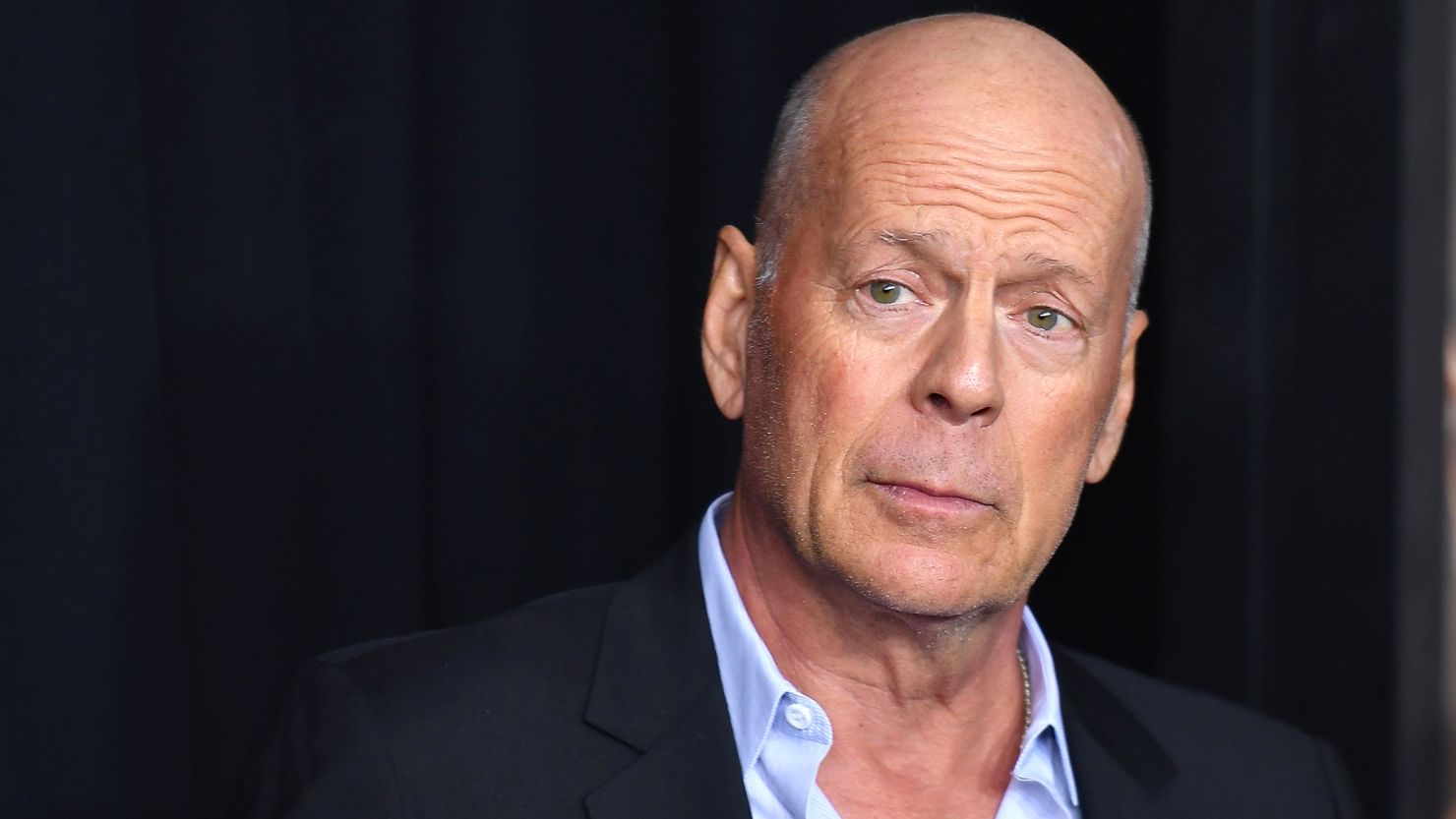
Bruce Willis’s first major breakthrough came with the television series Moonlighting (1985–1989). Cast alongside Cybill Shepherd, Willis played the witty and charming private detective David Addison. His sharp comedic timing and effortless charisma made him an instant star. Audiences loved his blend of humor, sarcasm, and vulnerability, which stood out from the typical serious television leads of the time.
The show was a success not only because of its innovative mix of comedy and drama but also due to the undeniable chemistry between Willis and Shepherd. While Moonlighting showcased Willis as a talented comedic actor, it also demonstrated his ability to balance lightheartedness with genuine emotion. This duality in his acting would later define much of his career.
Winning a Golden Globe for his role in Moonlighting gave Willis the credibility he needed in the entertainment industry. More importantly, it positioned him for bigger opportunities in Hollywood, paving the way for his leap from television to blockbuster films.
Becoming an Action Hero: Die Hard and Beyond
If Moonlighting put Bruce Willis on the map, then Die Hard (1988) cemented him as a global superstar. Playing NYPD officer John McClane, Willis redefined the action hero archetype. Unlike the indestructible figures portrayed by actors like Arnold Schwarzenegger and Sylvester Stallone at the time, McClane was relatable—he was witty, vulnerable, and very human. His sarcastic one-liners, bruised body, and “everyman” appeal made him a different kind of hero.
The success of Die Hard was monumental. It became not just a box-office hit but a cultural phenomenon, spawning an entire franchise. The character of John McClane became iconic, and audiences eagerly followed him through multiple sequels, each showcasing his resilience and sharp wit. Even decades later, Die Hard remains a Christmas favorite for many fans.
Beyond Die Hard, Willis continued to build his reputation as an action star in films like The Last Boy Scout, Armageddon, and Tears of the Sun. He proved that he could anchor high-budget films, deliver thrilling performances, and still bring authenticity to larger-than-life roles.
Versatility in Film: Comedy, Drama, and Sci-Fi
While Bruce Willis is best known as an action hero, his career is far more diverse than many realize. He repeatedly proved that he wasn’t confined to just one genre. In fact, some of his most memorable performances came outside the action category.
In 1994, Willis played Butch Coolidge, the aging boxer in Quentin Tarantino’s Pulp Fiction. This role allowed him to step into darker, more complex territory, showcasing his ability to carry dramatic weight. The film was a massive critical and commercial success, solidifying Willis as an actor capable of taking risks and excelling outside mainstream action.
Willis also dabbled in science fiction with movies like The Fifth Element (1997) and 12 Monkeys (1995). Both films became cult classics, with Willis’s performances adding layers of depth and relatability to eccentric storylines. On the lighter side, he charmed audiences in comedies like The Whole Nine Yards and lent his voice to animated hits like Over the Hedge. His career demonstrates that he was never afraid to experiment, embracing roles that challenged and expanded his range.
Personal Life and Challenges
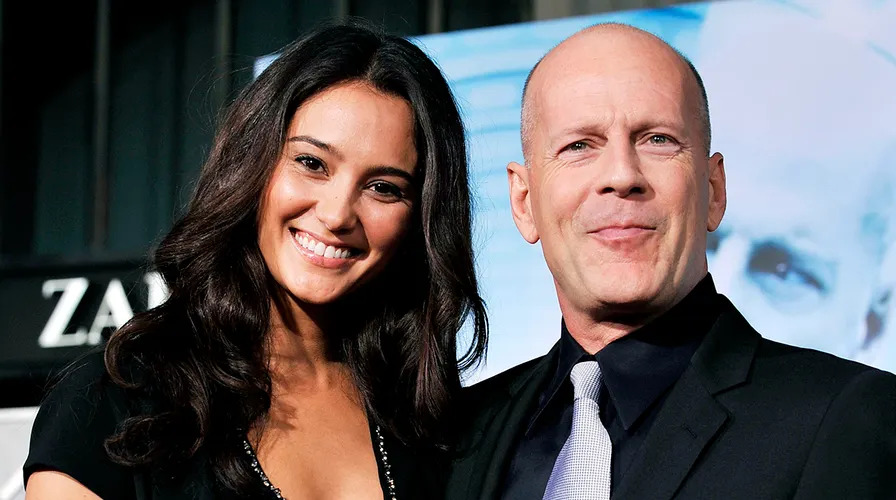
Behind the scenes, Bruce Willis’s life has been as eventful as his career. He was married to actress Demi Moore from 1987 to 2000, and together they had three daughters: Rumer, Scout, and Tallulah. Even after their divorce, Willis and Moore maintained a close friendship, often praised as an example of healthy co-parenting in Hollywood. In 2009, Willis married model and actress Emma Heming, and the couple shares two daughters, completing his large and loving family.
Despite his career highs, Willis faced personal challenges, particularly regarding health. In 2022, his family announced that he was retiring from acting due to a condition called aphasia, a disorder that affects communication abilities. This news deeply saddened fans worldwide, as it marked the end of an era for one of Hollywood’s most beloved actors.
What stood out most, however, was the overwhelming support Willis received from both fans and fellow actors. His family’s openness about his condition also highlighted the importance of awareness and compassion toward neurological disorders.
Legacy and Cultural Impact
Bruce Willis’s impact on popular culture cannot be overstated. He wasn’t just an actor; he was a symbol of resilience, charm, and relatability. His portrayal of John McClane revolutionized the action genre, and his versatility across drama, comedy, and science fiction left a lasting mark on the film industry.
His influence also extended beyond the big screen. Willis released several music albums, including his debut The Return of Bruno in the late 1980s, showcasing his love for blues and rock. While his music career never reached the same heights as his acting, it revealed his willingness to take creative risks and pursue passions outside acting.
Even in retirement, Bruce Willis’s body of work continues to inspire. His films remain classics, and his legacy as one of Hollywood’s most iconic figures is secure. For fans who grew up watching him, he represents not just entertainment but also the idea that heroes can be flawed, funny, and deeply human.
Conclusion: The Enduring Spirit of Bruce Willis
Bruce Willis’s journey is one of resilience, transformation, and undeniable talent. From a stuttering child in New Jersey to one of the most recognized actors in the world, his story is both inspiring and relatable. He broke barriers by redefining the action hero, embraced versatility by excelling in multiple genres, and faced personal challenges with dignity and strength.
Even though his acting career has come to a close, Bruce Willis’s legacy will live on for generations. His films, characters, and unforgettable one-liners have etched him into Hollywood history. For fans and fellow actors alike, Willis is more than just a movie star—he is a symbol of perseverance and authenticity.
As audiences continue to revisit his work, one thing is clear: Bruce Willis will always be remembered as a legend who gave his all, both on and off the screen.