
Why User Experience Basics Are Super Important
User experience basics are the foundation of any great digital product today. Good UX means users enjoy their time interacting with your app or website. It makes sure they can easily find and do what they came to accomplish. Ignoring these basics often leads to frustrated users who will quickly leave.
A strong focus on the user is what sets successful products apart. It is much more than just a pretty design. It is about making the entire journey smooth, useful, and delightful from start to finish. This article will break down these simple, yet powerful, concepts for everyone to understand.
Unlock Powerful User Experience Basics in Deep Search
User experience basics in deep search help people find what they need fast. Good design makes users happy. Bad design makes them leave. We will explore simple rules. These rules work for websites and apps.
Deep search means advanced ways to look for information. It goes beyond simple words. It understands what users really want. User experience basics in deep search focus on ease and speed.
Many sites have search boxes. But not all are good. User experience basics in deep search start with visibility. Put the search bar where people can see it right away.

Users look for the search box first. Make it big and clear. Add a magnifying glass icon. This is a common sign for search. Everyone knows it.
A good search bar is wide enough. Users can type long questions. Short bars feel small and hard to use. User experience basics in deep search include room for words.
Add a placeholder text inside the bar. Say “Search here” or “What do you need?”. This tells users what to do. It makes things simple and friendly.
Autocomplete is a key part. As users type, show suggestions. This helps them finish faster. It fixes spelling mistakes too. User experience basics in deep search love this feature.
Suggestions come from popular searches. Or from what the site has. This guides users to good results. It feels smart and helpful.
Handle typos well. If a user spells wrong, suggest the right word. Say “Did you mean this?”. Good user experience basics in deep search forgive errors.
No results? Do not say “Nothing found” and stop. Suggest other options. Or related topics. Keep the user on the site longer.
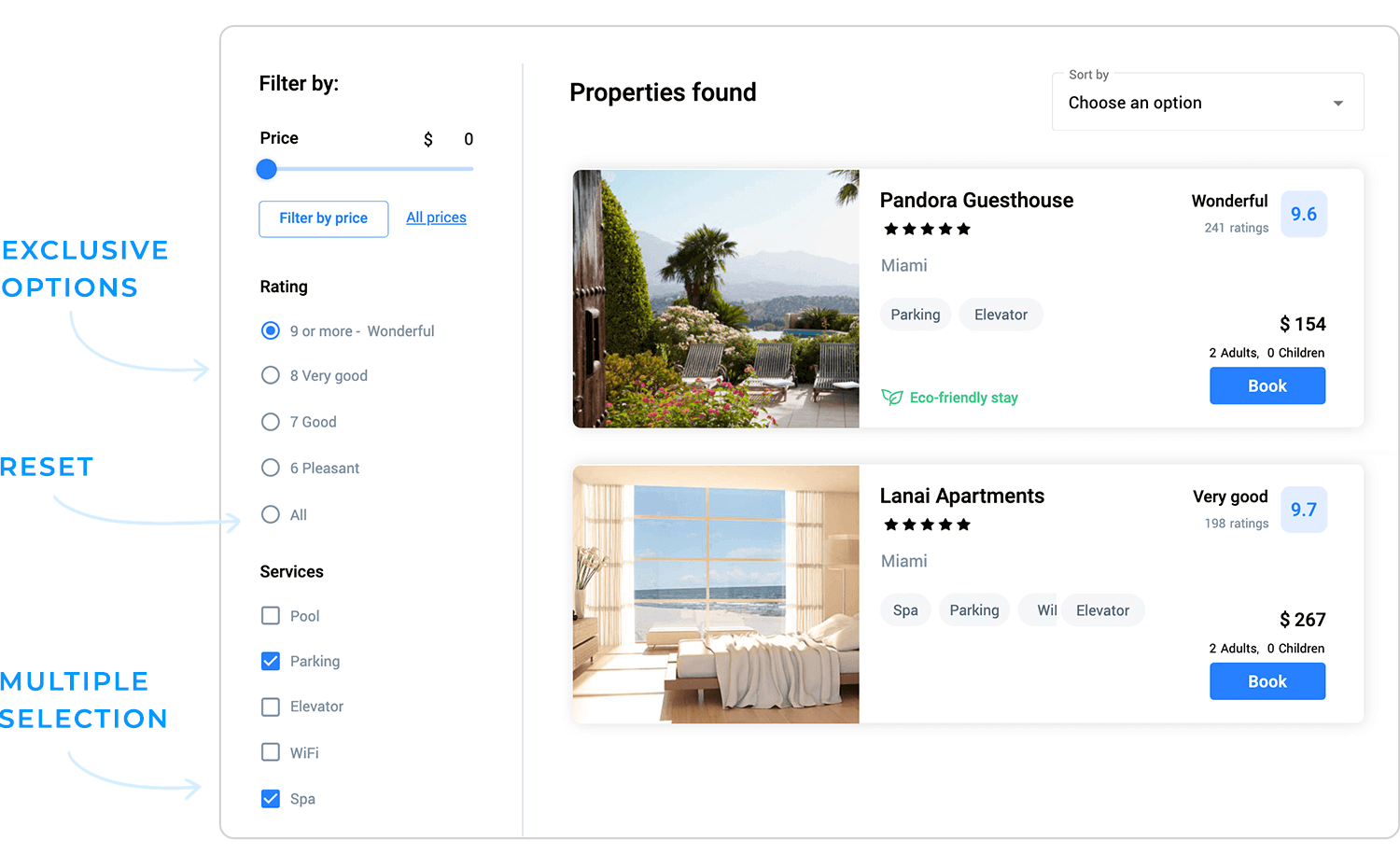
Filters help in deep search. Let users narrow results. By date, type, or category. Show filters on the side or top.
Make filters easy to use. Check boxes or sliders work well. Update results as users pick. No need to click extra buttons.
Mobile search needs special care. Screens are small. Make the search bar full width. Bring it up when tapped.

Voice search is growing fast. Add a microphone icon. Let users speak their queries. This is great for hands-free use.
Speed matters a lot. Search results should load quick. Slow search frustrates users. User experience basics in deep search demand fast performance.
Show results in a clear list. Use titles that make sense. Add short descriptions. Include images if possible.
Highlight matching words. This shows why the result appeared. It builds trust in the search.
Pagination or infinite scroll? Choose based on content. Infinite scroll works for endless feeds. Pages are better for precise control.
Personalization is powerful. Use past searches to suggest better results. But respect privacy always.
Test your search often. Watch how real users search. Fix problems you find. User experience basics in deep search improve with testing.
Accessibility is key. Make search work with screen readers. Support keyboard navigation. Everyone should use it easily.
Feedback helps users. Show “Searching…” while loading. Confirm when done. Small touches make big differences.
Deep search can use AI now. Understand natural language. Answer questions directly. This is the future of user experience basics in deep search.
Keep learning new trends. User needs change over time. Stay updated for the best experience.
| Name | UX Expert Guide |
| Specialty | User Experience Basics in Deep Search |
| Experience | 10+ Years in Web Design |
| Contact | info@yourwebsite.com |
Master these user experience basics in deep search today. Apply them to your site or app. Watch users love it more. Start improving now – your audience will thank you!
Call to Action: Share this guide with your team and boost your search experience right away!
What Exactly Is User Experience (UX)?
User experience is how a person feels when using a product or system. It covers all feelings, beliefs, preferences, and responses. This includes their emotions before, during, and after using the product itself. UX is the total effect of every single interaction they have.
It is about the entire experience, not just the screen’s look. A product with great UX is one that feels intuitive and simple to use. It should also solve a real problem for the user effectively and without confusion. UX design is a process that focuses on meeting human needs.
UX is All About Being User-Centered
User experience basics start with the User-Centered Design (UCD) approach. UCD means you put the user’s needs, goals, and pain points at the very center of the design process. You must deeply understand the real people who will use your product.
This approach is about designing for the users, not designing for yourself or the business first. It involves continuous research, testing, and making improvements based on real feedback. It ensures that the final product truly works for its intended audience.
The Seven Pillars of Great User Experience
A famous framework, Morville’s UX Honeycomb, explains the seven key qualities of strong UX. We will explore each of these pillars one by one in the following sections. These principles guide designers to build truly meaningful and valuable digital experiences.
They move beyond mere function to focus on the overall quality of the user’s interaction. Mastering these seven elements is key to achieving success with user experience basics. Getting all seven right creates a powerful and trustworthy final product.
Usefulness: Does It Solve a Problem?
A product must solve a real problem or fill a genuine user need to be useful. If it has no clear purpose for the user, then its design is a failure. Usefulness is the absolute starting point for any successful product or service.
Ask yourself if the product serves a clear function that users actually require. A well-designed product that is not needed will still fail in the marketplace. Usefulness is always judged by the user and their specific context.
Usability: Is It Easy and Simple to Use?
Usability refers to how easy a product is to learn, use, and remember over time. The goal is to make the interaction efficient, effective, and satisfying for the user. A product must have intuitive navigation and minimal friction in its workflows.
Poor usability creates frustration, leading to errors and high bounce rates. Usability testing is a crucial step to identify and fix these difficult spots early on. It involves measuring five factors: learnability, efficiency, memorability, errors, and user satisfaction.
Findability: Can Users Locate What They Need?
Findability is about ensuring that users can quickly locate the information or features they are looking for. This applies both on your website and through external search engines. Clear information architecture (IA) is essential for this pillar.
Good structure means organizing content logically, using clear labels, and having effective search functions. If a user cannot find a key feature, that feature is useless, no matter how great the design is. Findability connects directly to better SEO and lower frustration.
Desirability: Does It Look and Feel Appealing?
Desirability captures the emotional connection and visual appeal of the product’s design. It is about how the brand identity and aesthetics make the user feel while they interact. Visual design, branding, and tone of voice all play a part in this pillar.
A product that is desirable creates a positive emotional response and builds trust with the user. It can make the user more willing to overlook small usability issues. Desirability often transforms a simply functional product into one that people enjoy and recommend.
Accessibility: Is It Usable by Everyone?
Accessibility is the practice of designing products that people of all abilities can use. This includes users with visual, auditory, cognitive, or motor impairments. It also covers users facing situational barriers, like using a phone in bright sunlight.
Designers must use high color contrast, clear typography, and proper structure for screen readers. An accessible design is not just a moral goal, but often a legal requirement in many places. It expands your product’s audience to include the widest range of people.
Credibility: Do Users Trust the Product?
Credibility is about building user trust in your product, brand, and the information you provide. Users must feel that your service is reliable, secure, and honest in its promises. Design elements and content choices can heavily influence user perception.
Showing clear contact information, secure payment badges, and social proof can increase trust. Credibility ensures users feel safe when sharing data or making important transactions. A lack of trust causes high abandonment rates at key points, like checkout.
Value: Does It Deliver Something Worthwhile?
The final pillar of the honeycomb is Value, which is the most important element overall. A product must deliver tangible value both to the user and to the business itself. Value is what the user gets in return for their time, effort, or money.
For the user, it means the benefit they receive from using the product to solve their need. For the business, it translates into revenue, loyalty, or key performance indicators (KPIs). When all other six principles are met, the value is naturally maximized.
Understanding the Core UX Design Process
The UX design process is a cycle of discovery, planning, design, and testing. It ensures that the final product is based on evidence, not just assumptions. This process is continuous; great products are always being tested and improved upon.
It starts with research to deeply understand the target audience and their behaviors. This leads to defining clear problems and goals before any actual design work begins. The process is iterative, meaning you constantly refine the design based on user feedback.
The First Stage: Thorough User Research
User research is the critical discovery stage in the user experience basics process. It involves gathering insights about users’ needs, goals, and current pain points. Methods include user interviews, surveys, and analyzing existing data or competitor products.
The goal is to move beyond guesswork and establish an informed, empathetic foundation for all design decisions. Research helps create user personas, which are imaginary but detailed descriptions of typical users. These personas guide design choices by keeping the real user in mind.
The Second Stage: Defining the Problem
Once research is complete, the team moves to the definition stage to make sense of the findings. This involves clearly translating the research insights into specific problems to be solved. Tools like user journey maps and user stories are often created here.
A user journey map shows the complete path a user takes to complete a task, highlighting difficult points. A user story describes a feature from the user’s perspective, such as “As a user, I want to filter products so I can find what I need quickly.” Clear definition prevents wasted effort.
The Third Stage: Design and Prototyping
The design stage is where the vision starts to become a reality, first through simple sketches and wireframes. Wireframes are basic blueprints that focus on layout, content, and functionality, not visual style. The aim is to quickly explore different structural solutions.
Next, interactive prototypes are built to simulate the product’s flow for early testing. At this stage, the focus is on structure and flow, ensuring the product is usable before adding final visuals. This rapid prototyping saves significant time and resources later on.
The Fourth Stage: Testing and Iteration
Testing is the vital step where design assumptions are validated with real users. Usability testing uncovers friction points and confusion before the product is coded. The goal is to watch users interact with the prototype and identify where the design fails.
The results from testing lead directly to the iteration stage, which means refining the design. UX is rarely a one-time job; it is a continuous loop of testing, learning, and improving. Great experiences are the result of many rounds of small, focused adjustments over time.
Key Terminology in UX You Should Know
User experience basics often involve specialized terms that are helpful to understand.
- Wireframes: A low-fidelity layout, like a structural skeleton.
- Prototypes: An interactive model used for testing the flow.
- Information Architecture (IA): How content is organized and structured.
- Persona: A detailed profile representing a typical target user.
- A/B Testing: Comparing two versions of a design to see which performs better.
These terms are part of the daily language for UX professionals worldwide. Knowing them makes it much easier to discuss and improve a product’s overall experience. It also ensures clear communication within the product development team.
UX vs. UI: Knowing the Difference
User Experience (UX) and User Interface (UI) are often confused but are two different things. Think of UX as the strategy, the planning, and the flow of the entire application. It focuses on how a product works and meets a need.
UI is the skin, the presentation, and the visual elements you directly interact with. It focuses on the aesthetics, colors, buttons, and typography—the actual screen. A great product needs both: strong UX for function and excellent UI for appearance.
The Importance of Accessibility in UX
Accessibility is not an extra feature; it is a core responsibility within user experience basics. It means designing with high color contrast for people with vision problems. It also means using clear, readable text sizes for older users or those with dyslexia.
Designing for accessibility improves the experience for all users, not just those with disabilities. Clear labeling and keyboard navigation benefit power users and those with temporary injuries. Prioritizing accessibility is a sign of a truly ethical and thoughtful design.
Readability: Making Content Easy to Read
Readability is a crucial part of UX that ensures your content is simple to process. Using short sentences and common, simple words improves comprehension speed for everyone. Complex sentences and jargon slow readers down and cause frustration.
We measure readability using specific formulas like Flesch-Kincaid, SMOG, and Coleman Liau. Aiming for a high Flesch Reading Ease score means your text is clear and direct. This focus on clear language is why this article uses short paragraphs and simple vocabulary.
Avoiding Common User Experience Pitfalls
One major pitfall is prioritizing aesthetic looks over core usability and function. Another common mistake is skipping the testing stage and relying only on internal opinions. Slow load times are also a huge UX killer, as users expect instant speed in the modern world.
Teams should focus on solving the most critical user pain points first. They should also provide clear feedback for every user action, such as success messages or error warnings. Fixing these basic issues first will vastly improve the final product’s success.
UX and SEO: A Powerful Combination
UX and Search Engine Optimization (SEO) work together to create success. A site with poor UX will have a high bounce rate and low time on page. This sends a negative signal to search engines like Google.
Google’s algorithms favor pages that provide a good experience, making UX vital for high rankings. Good findability, fast loading speed, and clear content all help both the user and the search engine. Optimizing for the user is the best way to optimize for search.
Conclusion: Build Delightful Products
Mastering user experience basics is essential for building products that people will genuinely love to use. Focus on the core pillars of Usefulness, Usability, and Value throughout your process. Remember that the user is the final judge of your product’s success. By committing to continuous research, testing, and easy readability, you can remove friction and build a truly trustworthy brand presence. Start putting the user first today!