
Athenahealth: A Simple, Helpful Guide for Clinics, Hospitals, and Patients
Athenahealth is a popular healthcare software brand used across the United States. Many clinics choose it to manage daily work, like scheduling, billing, and patient records. Patients also use it to see results, request refills, and message their care team. This guide explains how it all fits together in plain words. I’ll also share practical tips I’ve seen help busy teams reduce stress. If you are comparing tools, we’ll cover athenahealth competitors and what to look for. If you are a patient, we’ll cover the athenahealth patient portal and common login steps. By the end, you should feel clear and confident. You will know what athenahealth does well, where it can feel tricky, and how to make smarter choices for your practice or your care.
What Athenahealth Is and Why It’s So Widely Used
Athenahealth is a cloud-based platform that supports medical offices and health systems. It helps teams handle patient check-in, charting, claims, payments, and reporting. Because it runs online, staff can log in from approved devices without maintaining big local servers. That can reduce IT load for many small and mid-size groups. In real life, the biggest value is often workflow. A front desk team can confirm insurance and appointments faster. A billing team can track claims and fix errors earlier. A provider can review history and write orders without switching tools. When the setup matches the clinic’s style, athenahealth can save time and reduce missed steps. Still, every system needs training. A simple rollout plan and clear roles can make a big difference in day-to-day success.
Athenahealth EMR and EHR Basics in Plain Words
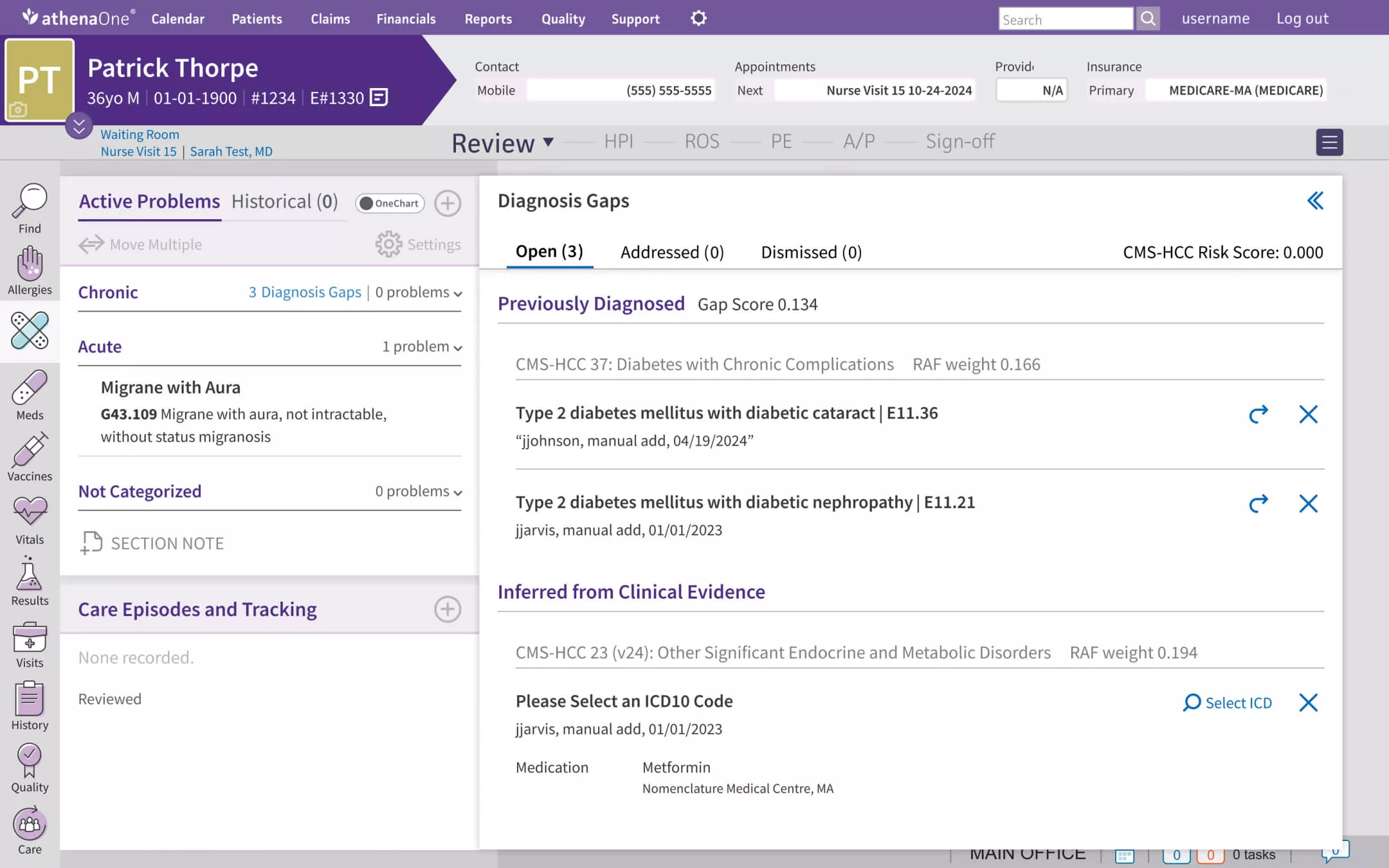
People often search athenahealth emr and athenahealth ehr and wonder if they are the same thing. EMR is a digital medical chart used inside a clinic. EHR is a fuller health record that can be shared across settings. In practice, many teams use the terms loosely. What matters is how easy it is to document visits, place orders, and review results. A strong record system should support quick notes and clear templates. It should also help reduce errors with alerts and clean medication lists. In a busy day, speed matters. But clarity matters more. If chart notes are easy to read, patients get safer care. When you review demos, ask about common workflows. For example, new patient visits, refills, and lab review. Those are the “every day” tasks that reveal real fit.
Athenahealth Login Tips for Staff and Providers
The athenahealth login experience depends on your organization setup. Many groups use a standard web sign-in, while others add single sign-on. If you are staff, the best first step is to use your organization’s official link and follow internal instructions. If login fails, check your browser, clear cache, and confirm you are not using an old saved password. If your clinic uses multi-factor codes, make sure your device time is correct. For providers, the athenahealth provider login often includes role-based access. That means some tabs appear only for certain job types. If something looks “missing,” it may be a permission issue, not a bug. I’ve seen clinics solve this fast by keeping a simple checklist: user role, department, and needed features. That makes support calls shorter and less stressful.
Athenahealth Patient Portal: What Patients Can Do
The athenahealth patient portal is built to help patients manage care without calling the office for every update. Many patients use it to view visit summaries, lab results, and upcoming appointments. Some use it to request refills or send non-urgent messages. The portal can also reduce hold times for staff, since basic questions move to secure messages. Still, patients may feel lost at first. A good tip is to ask your clinic for the exact portal link and onboarding steps. Some practices brand the portal differently, even if it runs on the same platform. If you can’t access your account, try the “forgot password” option first. If that doesn’t work, contact the clinic portal support team, not a general help desk. Your clinic controls your account, so they can verify identity safely.
Athenahealth Portal Features That Matter Most to Clinics
When people say “athenahealth portal,” they may mean the patient portal or the staff portal. For clinics, key portal features often include scheduling tools, intake forms, billing views, and communication logs. A strong portal setup can also support online payments and automated reminders. That can reduce no-shows and speed up collections. One simple win is appointment confirmation. If the portal makes it easy to confirm, patients tend to do it. Another win is clean intake. If patients fill forms before arrival, staff can verify data early. That helps reduce errors in insurance and contact details. In many clinics, small workflow fixes create the biggest gains. I suggest teams map the patient journey end-to-end. Then pick two pain points to improve first. Portal tools are most powerful when they solve real daily friction.
Athenahealth Marketing: How Practices Grow Without Feeling “Salesy”
Athenahealth marketing is often discussed in two ways. First, the company’s own marketing strategy. Second, how clinics using the platform can market their services better. For clinics, the goal is trust. Patients want clear info, easy booking, and fast answers. Tools like online scheduling, reminders, and portal messages can support that experience. But growth is not just tech. It is also how your staff communicates. A friendly reminder text and a clear visit summary can boost retention. If your clinic runs campaigns, use clean, permission-based contact lists. Avoid shortcuts like buying lists. They can harm trust and break privacy rules. If you want better results, focus on reviews, patient education, and strong follow-up. In my experience, clinics grow fastest when patient experience improves first. Marketing then becomes a natural side effect of better care.
Athenahealth Reviews: What Users Commonly Like and Dislike
Athenahealth reviews often mention similar themes. Users like the idea of an integrated system that connects billing and clinical work. Many teams also like cloud access and regular updates. On the other hand, some users report that training takes time and that workflows can feel complex until roles are tuned. That is normal for a large platform. The real question is how your organization manages change. I’ve seen clinics succeed by picking “super users” in each department. Those super users become the first line of help. They also bring feedback to leadership. Another helpful habit is a weekly list of top issues and quick fixes. That keeps problems from piling up. When you read reviews, look for patterns that match your setting. A large specialty group and a small primary care office can have very different experiences.
Athenahealth Customers List: What It Can Tell You (And What It Can’t)
Many buyers search for an athenahealth customers list to see who uses the platform. That can be useful for confidence. If similar clinics use it, it may fit your needs too. But a customer list alone does not prove success. What matters is how the platform is configured, trained, and supported. Two clinics can use the same tool and get very different results. A better approach is to ask for references that match your specialty and size. For example, a multi-provider primary care group, a cardiology practice, or an urgent care network. Then ask about real workflows: claims, refill requests, and lab review. Also ask how long implementation took. If you are a patient, customer lists matter less. You care about access and service. For you, portal ease and response time are the true signals.
Athenahealth Surgical Vertical: What Surgical Teams Often Need
The phrase athenahealth surgical vertical points to tools and workflows tailored for surgical care. Surgical teams face special demands. They manage pre-op clearance, scheduling, authorizations, operative notes, and post-op follow-ups. They also coordinate across facilities and staff roles. Systems that support surgery should handle complex scheduling and strong documentation. They should also keep orders, imaging, and referrals clear. A common pain point is authorizations. When those steps fail, surgeries get delayed. That creates stress for everyone. A strong setup should help track tasks and deadlines. Another key area is post-op communication. Patients often have questions after surgery. Portal messaging and clear instructions can prevent unnecessary calls and reduce risk. If your practice is surgical, ask vendors about workflows for cases, consents, and post-op plans before you decide.
AthenaOne Surgical: Where It Fits and What to Ask in a Demo
Athenahealth offers products under broader suites, and many people search athenahealth athenaone surgical for clarity. When evaluating any “surgical” package, focus on real day-to-day work. Ask how the system supports surgeon templates, procedure notes, and follow-up plans. Ask how it handles referrals and imaging links. Also ask about billing for surgical cases, since coding can be complex. In demos, bring your real workflows. Don’t accept generic examples. A good vendor will show your top five visit types, start to finish. Also ask about training plans. Surgical teams have tight schedules. Training must be practical and role-based. If possible, ask for a sandbox environment. Let staff try tasks like booking, intake, and claims review. Real clicks reveal more than slides. When the team feels comfortable early, adoption improves and stress drops.
Athenahealth Asana Integrations: How Teams Stay Organized
Some practices explore athenahealth asana integrations to manage projects and tasks. While the clinical system holds patient work, Asana is often used for internal operations. For example, onboarding new staff, tracking policy updates, or managing the steps of a clinic move. Integration needs vary. Some teams just want simple reminders and task tracking outside the medical record. Others want better handoffs between departments. Even without deep automation, you can build a strong routine. Keep patient data inside approved systems. Use Asana for process tasks that don’t require protected details. For example, “update front desk script” or “review claim denial trend.” If your organization wants more advanced connections, involve compliance and IT early. That keeps data safe and prevents risky shortcuts. The best integrations make work easier without creating new privacy concerns. Simple wins beat complex setups that no one uses.
Athenahealth Logo and Branding: What You Can and Can’t Do
The athenahealth logo is part of the company’s brand identity. If you are a clinic using the platform, you may want consistent branding on portal pages or patient materials. Your clinic can usually add its own branding in approved areas, while still respecting the vendor’s rules. If you are building a website, avoid using the vendor logo in ways that suggest partnership or endorsement unless you have permission. Instead, you can describe your patient portal access in plain language. For example, “Use our online portal to view results.” If patients ask if your clinic uses athenahealth, you can answer honestly. But keep materials simple. Patients care less about the logo and more about clear steps. Give them the direct portal link, the support phone number, and a short guide. Good communication reduces confusion. That is better branding than any logo placement.
Jobs at Athenahealth and “Athenahealth Jobs Chennai”: How to Search Smart
People often search jobs at athenahealth and also athenahealth jobs chennai. Job listings can change fast, so use the official careers page and trusted job boards. If you see roles in Chennai, read the details carefully. Look for required skills, team location, and work mode. Also check whether the role supports US teams, product work, or internal operations. For any job, focus on three things: role fit, growth path, and team culture. It also helps to tailor your resume to the role’s keywords. That can improve screening. If you apply, avoid sharing sensitive personal documents through unofficial links. Use only trusted portals. If you get an email from a recruiter, verify it. Scams exist, and healthcare tech is a common target. A safe rule is simple: confirm the domain, confirm the contact, and never pay fees.
Athenahealth Email Format and the “Users Email List” Question
Many people search athenahealth email format and even athenahealth users email list. It’s important to handle this safely and ethically. Corporate email formats often follow patterns, but guessing addresses can lead to errors and privacy issues. If you need to contact the company, use the official contact page or verified profiles. That is more reliable and respectful. As for any “users email list,” avoid it. Buying or scraping email lists can break laws and policies, harm trust, and create spam problems. It can also put your business at risk. If you want to reach clinics, use permission-based outreach. Build your own list with opt-ins, webinars, and helpful resources. You can also run ads targeting job titles on platforms that support compliant targeting. The best marketing is welcome marketing. It creates better replies and protects your reputation.
Athenahealth Competitors: How to Compare Without Getting Overwhelmed
When comparing athenahealth competitors, keep the decision simple. Start with your needs. Are you a small practice, a specialty group, or a health system? Do you need strong billing support, fast charting, or deep reporting? Next, test real workflows. Scheduling, documentation, claims, and patient messaging should be smooth. Also ask about implementation time and support. Many systems look great in demos but feel different in daily work. A strong competitor for one clinic can be a poor fit for another. I recommend scoring vendors on five areas: usability, clinical fit, billing performance, patient experience, and support quality. Then weigh those scores based on your priorities. If your main goal is faster claims, give billing more weight. If your goal is happier patients, give portal experience more weight. Clear scoring reduces decision stress and improves buy-in.
Detailed Comparison Table: What to Evaluate Side by Side
| Category | What to Check | Why It Matters | Simple Questions to Ask |
|---|---|---|---|
| Clinical Workflow | Note templates, orders, meds, labs | Faster care, fewer errors | “Show a refill workflow.” |
| Billing & Claims | Denials, clearinghouse, reporting | Better revenue stability | “How do we track denials?” |
| Portal Experience | Messaging, results, payments | Fewer calls, happier patients | “How do patients reset access?” |
| Surgical Support | Case scheduling, auth tracking | Avoid delays and rework | “How do we manage authorizations?” |
| Integrations | Labs, imaging, tasks, SSO | Less duplicate entry | “What is included vs extra?” |
| Training | Role-based plans, super users | Higher adoption, less stress | “How many hours per role?” |
| Support | Response times, escalation | Faster fixes | “What is the urgent path?” |
| Reporting | Quality measures, dashboards | Better decisions | “Can we build custom reports?” |
| Security | MFA, permissions, audits | Safer operations | “How are roles managed?” |
| Total Cost | Setup, ongoing, add-ons | Budget control | “What fees change over time?” |
FAQs
1) How do I access the athenahealth patient portal?
2) What is the difference between athenahealth EMR and athenahealth EHR?
3) What should I do if my athenahealth login isn’t working?
4) Are athenahealth reviews generally positive?
5) Is it safe or smart to look for an “athenahealth users email list”?
6) How do I compare athenahealth competitors without wasting time?
Conclusion: Make Athenahealth Work for You
Athenahealth can be a strong choice when it matches your workflow and your team commits to good setup. The best results come from clear training, role-based access, and simple daily habits. Focus on portal clarity for patients, clean charting for providers, and denial tracking for billing teams. If you are still deciding, compare athenahealth competitors using real workflows, not generic demos. If you are a patient, keep it simple: use your clinic’s portal link and ask the clinic for help when needed. The platform is only part of the story. The people and the process make the difference. If you want, tell me your clinic size and specialty. I can suggest a simple evaluation checklist and rollout plan that fits your situation.