
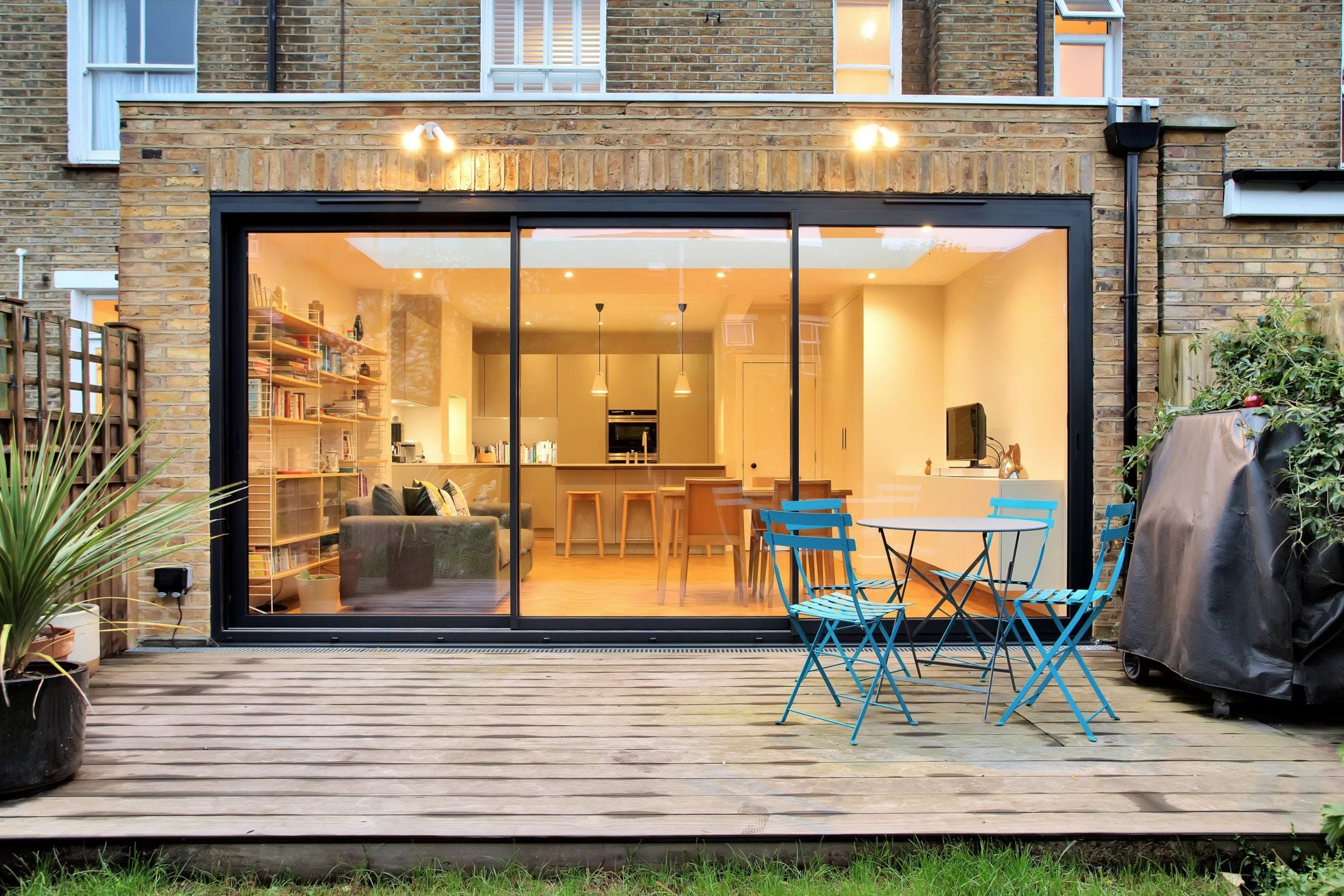
For homeowners looking to add space without the complexity and cost of going upward, a single storey extension remains one of the most popular and practical choices across London. When designed well it transforms how a home functions, creates a genuine connection between inside and outside, and adds measurable value to the property. When designed poorly it produces a dark, disconnected room that the rest of the house never quite integrates with. Getting the design right from the start is what separates the two outcomes.
Why Single Storey Extensions Suit London Properties So Well
The majority of London’s residential housing stock is Victorian and Edwardian terraced and semi detached properties. These homes were built for a different way of living. Kitchens were small and separate, rear rooms were narrow, and the relationship between the interior and the garden was largely incidental. A well planned single storey rear extension addresses all of those shortcomings in one project.
The rear of a terraced property in particular lends itself to this type of extension. There is typically no overlooking issue from the neighbours directly behind, the extension sits away from the street elevation and therefore attracts less planning scrutiny, and the ground floor layout of most Victorian terraces benefits enormously from being opened up and extended at the back.
Planning Permission and Permitted Development
One of the practical advantages of a single storey extension is that many of them fall within permitted development rights, meaning planning permission is not required. The rules govern how far the extension can project from the rear wall of the original house, how high it can be and how much of the garden it can cover.
In London however those rights are more restricted than elsewhere. A significant number of boroughs have Article 4 Directions in place that remove or limit permitted development rights in certain areas. Conservation areas introduce further constraints. Checking the specific planning position for your property at the outset is not a formality. It is the step that determines what is actually achievable before any design work begins.
Where planning permission is required, an experienced architect will shape the design around the specific policies and preferences of your local planning authority, maximising what is achievable within the constraints rather than designing freely and then discovering what needs to be cut back.
Key Design Principles for a Single Storey Extension
The functional success of a single storey extension depends on a small number of design decisions that have an outsized effect on how the finished space feels and performs.
Natural light. The most common complaint about poorly designed extensions is that they are darker than expected. A rear extension inevitably blocks some of the light that previously reached the interior. Roof lights, full width glazing across the rear elevation and careful positioning of internal openings are all tools for bringing light deep into the new space and into the existing rooms behind it. Roof lights in particular are one of the most effective ways to flood a kitchen extension with daylight without compromising privacy.
Connection to the garden. One of the primary reasons homeowners extend at ground floor level is to create a better relationship between the kitchen or living space and the outdoor area. Wide sliding or bifold doors, a consistent floor level between inside and outside and materials that work across the threshold all contribute to an extension that genuinely opens up rather than simply adding floor area behind glass.
Ceiling height and proportion. A single storey extension does not need to match the ceiling height of the existing house, and in many cases a slightly lower ceiling with a carefully designed roof light sits better proportionally and performs better in terms of light and thermal efficiency. Flat roofs, pitched roofs and vaulted ceilings each produce a different quality of space and the choice should be driven by what works best for the specific design rather than what is cheapest to build.
Flow between old and new. The opening between the existing house and the new extension is one of the most important elements of the whole project. A wide, uninterrupted opening creates a sense of a single connected space. A narrow opening with a visible beam and a step down into the new room produces the feeling of two separate spaces that happen to be adjacent. Getting the structural strategy right at design stage is what makes the difference.
Single Storey Versus Double Storey
Some homeowners reach a point in their planning where the question shifts from how to design the extension to whether a single storey is actually the right choice for their brief. A double storey extension costs more to build but the cost per square metre is lower than a single storey because the foundations, roof and external walls are shared across two levels. Where the brief includes both additional ground floor living space and an additional bedroom or bathroom above, a double storey often represents better value overall.
The planning position is different for a double storey extension. Permitted development does not apply and a full planning application is required in all cases. The design also needs to respond more carefully to the impact on neighbours, particularly in terms of overlooking and loss of light.
For homeowners whose primary need is a larger kitchen, a better living space or a stronger connection to the garden, a single storey remains the more straightforward and often more cost effective solution. For those who need both ground floor and first floor space, it is worth modelling both options before committing to either.
How Extension Architecture Approaches Single Storey Extension Design
Extension Architecture has designed and delivered single storey extensions across London for over a decade. Their approach treats every project as a specific response to a specific property, brief and planning context rather than a standard product applied across different houses. The design process considers light, flow, proportion and the relationship between the new space and the existing home from the very first sketch, and that thinking carries through into the technical drawings, planning application and construction stage delivery.
For homeowners beginning to plan a single storey extension, the most useful starting point is a conversation about what the existing house lacks, what the brief actually requires and what the planning context allows. Everything else follows from getting those foundations right.