
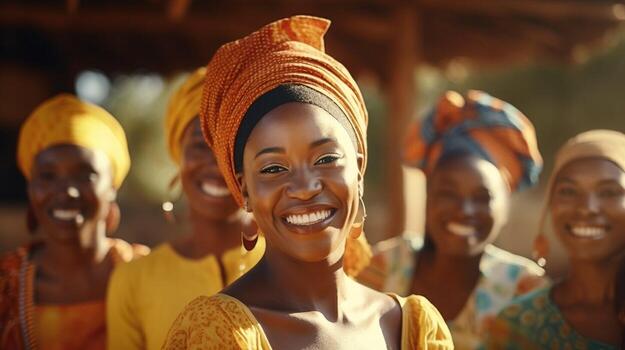
South Africa is one of the most culturally diverse nations in the world a place where heritage, language, and identity come together to create what former President Nelson Mandela called the “Rainbow Nation.” This beautiful phrase captures the essence of a country built on unity in diversity. Much like the thrill and unpredictability of UK49s, South Africa’s culture is rich, layered, and full of surprises at every turn.
A Tapestry of Languages and Peoples
South Africa recognizes 11 official languages, including Zulu, Xhosa, Afrikaans, English, and Tswana. This linguistic variety reflects the country’s ethnic diversity from the indigenous peoples of the land to European settlers and Asian communities who arrived centuries ago. Each language carries its own traditions, folklore, and worldview, making everyday communication a celebration of difference.
In cities like Johannesburg and Cape Town, one can hear multiple languages spoken within a single street. Yet, beyond these differences lies a shared sense of belonging and national pride that unites South Africans from all walks of life.
The Power of Ubuntu: Humanity Towards Others
At the core of South African identity is the philosophy of Ubuntu, meaning “I am because we are.” Ubuntu represents compassion, respect, and community values that continue to guide social interaction across generations. In both rural villages and modern cities, Ubuntu can be seen in the way people support one another, celebrate together, and face challenges as a collective.
This concept has not only shaped personal relationships but also national recovery. After the end of apartheid, Ubuntu played a central role in reconciliation and rebuilding trust among communities. It remains a moral compass in modern South African life just as shared hope unites players of UK49s, who find excitement and connection in a common experience.
Tradition Meets Modernity
South African culture is a fusion of ancient customs and modern creativity. Traditional music and dance remain central to cultural life, with events such as Zulu ceremonies, Xhosa initiations, and Tswana storytelling still practiced today. Meanwhile, younger generations are bringing these traditions into the digital age through fashion, music videos, and social media, creating a fascinating blend of past and present.
In fashion, designers like LadumaNgxokolo (founder of Maxhosa Africa) have gained global recognition for transforming traditional Xhosa beadwork and patterns into contemporary designs. In architecture and art, a similar revival is seen as creatives use indigenous styles to express modern ideas.
Cuisine That Connects Cultures
Food in South Africa tells a story of migration, adaptation, and cultural exchange. Traditional dishes like pap (maize porridge), samp and beans, biltong, and boerewors coexist with Cape Malay curries, Indian-inspired bunny chow, and European-style pastries. This fusion makes South African cuisine as diverse as its people comforting, flavorful, and steeped in history.
In rural areas, communal cooking remains a cherished practice, while in cities, restaurants fuse global techniques with local ingredients. Just as every round of UK49s brings a different combination of numbers, every South African meal offers a unique blend of flavors and traditions.
Festivals and Celebrations
South Africans love to celebrate whether it’s through national holidays, music festivals, or community gatherings. Heritage Day, often called “Braai Day,” encourages everyone to honor their cultural roots with traditional food and family gatherings. Major music and art festivals, such as the Cape Town International Jazz Festival and National Arts Festival in Makhanda, showcase the country’s creative energy and unity.
These celebrations are not just entertainment; they are expressions of freedom and identity. They remind the world that South Africa’s greatest strength lies in its ability to honor the past while embracing the future.
Faith and Spirituality
Religion also plays a vital role in shaping South African life. Christianity is the dominant faith, but there is also a strong presence of Islam, Hinduism, and indigenous spiritual beliefs. This spiritual diversity promotes tolerance and understanding, reinforcing the idea that harmony can thrive amid difference.
Conclusion: A Living Mosaic
South Africa’s culture is not confined to museums or textbooks it lives in its people, music, fashion, and everyday interactions. It is a culture constantly evolving, yet deeply rooted in tradition. From the warmth of Ubuntu to the rhythm of drumbeats and the aroma of a shared meal, every aspect of life here tells a story of unity through diversity.
In many ways, exploring South African culture is like participating in UK49s you never quite know what combination of beauty, energy, and experience awaits, but every moment feels alive with possibility. The blend of diversity and tradition continues to make South Africa one of the most fascinating and inspiring nations in the world.