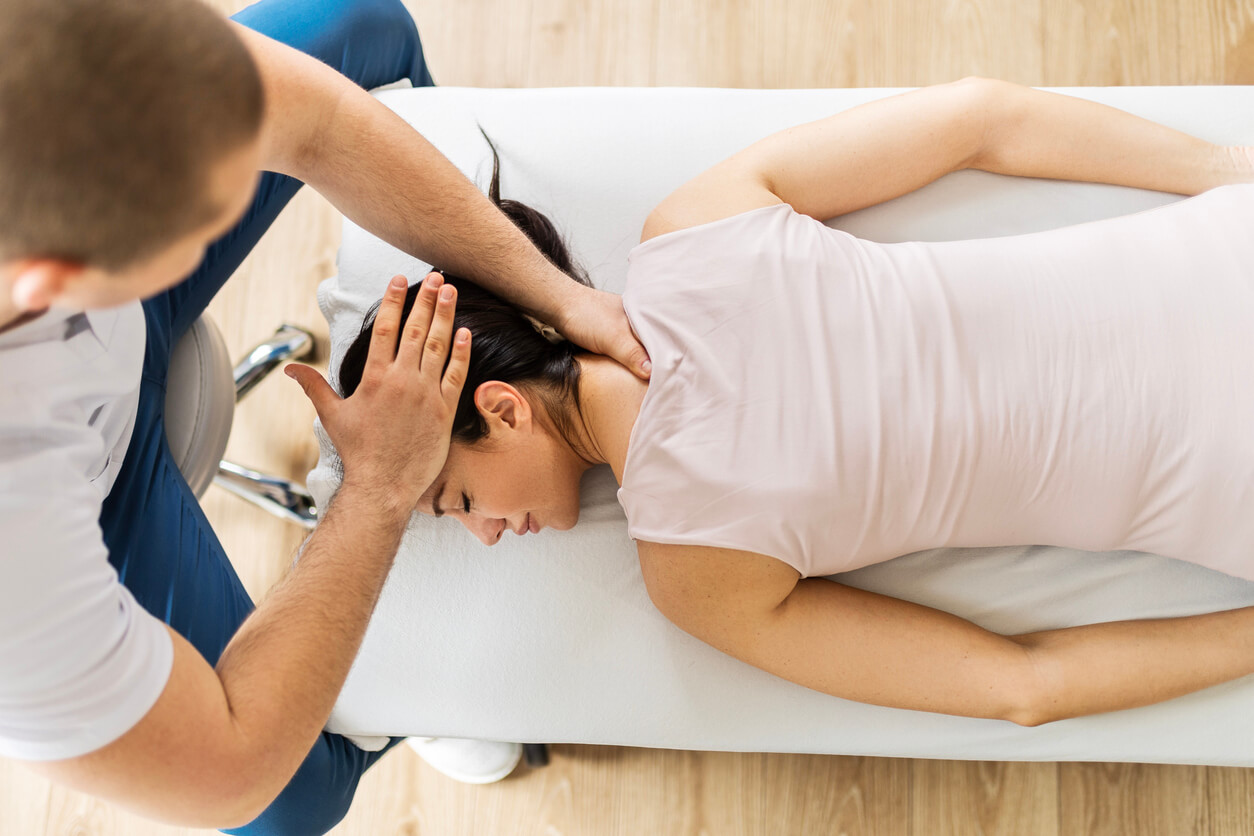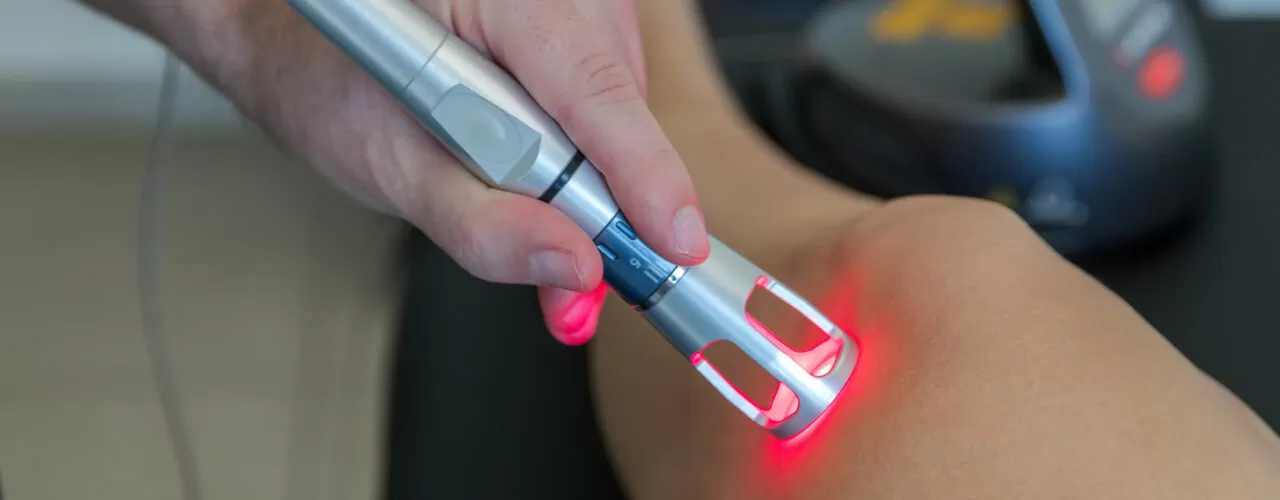
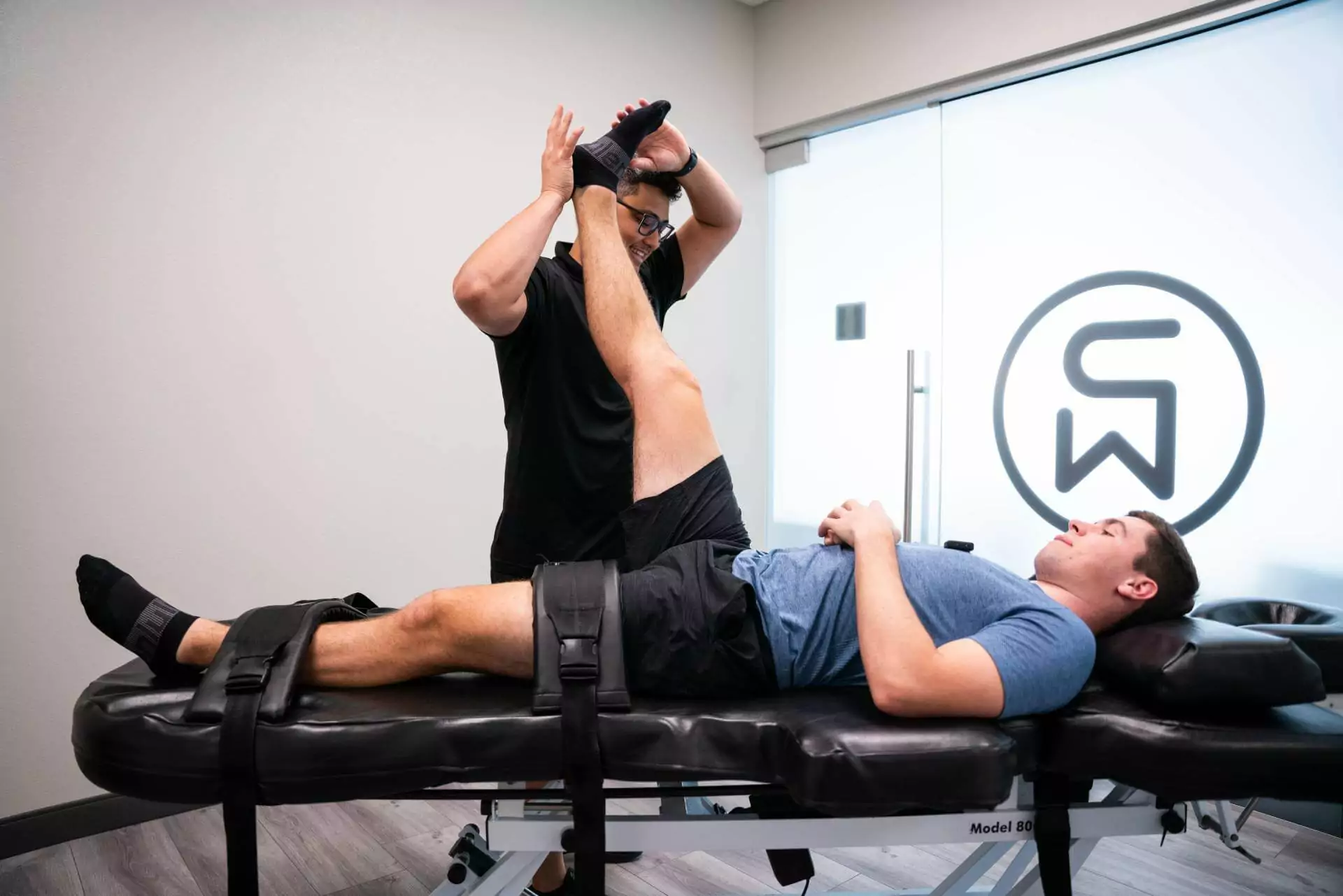
Stretch therapy in Las Vegas isn’t just for the super-fit or those recovering from a major injury. Honestly, a lot of different people can find real help with it. It’s about improving how your body moves and feels, and that’s something most of us could use a little more of.
Athletes Seeking Peak Performance
For athletes, even small improvements can make a big difference. Getting that extra inch of reach, shaving a second off a time, or just feeling less sore after a tough workout can be game-changers. Assisted stretching helps muscles work more efficiently and can reduce the risk of pulling something during intense activity. It’s about fine-tuning the body so it can perform at its best.
Individuals Managing Chronic Pain
If you’re dealing with ongoing pain, whether it’s in your back, neck, or anywhere else, stretch therapy can offer some relief. Sometimes, pain comes from muscles being too tight or out of balance. A good stretch session, perhaps combined with care from a chiropractor in Las Vegas, can help loosen things up, ease that constant ache, and give you a break from discomfort. It’s not a magic cure, but it can be a significant part of managing pain.
Those Experiencing Stiffness and Limited Mobility
This is a big one. Many people, as they get older or just from sitting too much, find themselves getting stiff. Reaching for things, bending down, or even just getting out of a chair can become a chore. Assisted stretching works to gently increase your range of motion. It helps your joints move more freely and your muscles become more pliable, making everyday movements feel easier and less painful.
Here’s a quick look at who might benefit:
- Desk workers with tight hips and shoulders.
- Seniors looking to maintain independence and ease of movement.
- Anyone who feels like their body is just ‘stuck’.
- People who want to improve their posture.
It’s easy to think of stretching as just something you do after a workout, but assisted stretching is different. It’s a targeted approach that can address specific issues holding your body back. Think of it as a tune-up for your entire musculoskeletal system.
Targeting Fascia for Enhanced Movement
Understanding Fascial Stretch Therapy
When we talk about stretching, most people think about pulling on muscles. But there’s a whole other layer to consider: fascia. Think of fascia as a thin, web-like casing that wraps around and supports pretty much everything in your body – muscles, bones, nerves, even organs. It’s all connected. When fascia gets tight or restricted, it can pull on things, limiting your movement and sometimes causing aches and pains. Fascial Stretch Therapy (FST) is different because it works directly with this connective tissue. Instead of just stretching a muscle, FST uses a gentle traction to decompress joints and lengthen the fascia. This approach helps release tension that traditional stretching might miss.
Beyond Muscle Stretching
So, how is FST really different from just going to the gym and doing some hamstring stretches? Well, traditional stretching often focuses on a single muscle group, trying to make that specific muscle longer. FST, on the other hand, looks at the entire fascial system. It’s like comparing trying to untangle one knot in a giant ball of yarn versus carefully working through the whole mess. FST aims to improve the glide and flow between different tissues. This means you’re not just getting more flexible in one spot; you’re improving how your whole body moves together. It’s about creating space and reducing restrictions throughout your body, not just in isolated muscles.
Improving Joint Health and Flexibility
One of the big wins with FST is how it impacts your joints. Because fascia surrounds and supports your joints, when it’s tight, it can restrict how your joints move. FST’s traction component helps to create space within the joint capsule. This decompression can relieve pressure and allow for a greater range of motion. Think about it: if the casing around a hinge is stiff, the hinge won’t open or close smoothly. By loosening that casing, the hinge works better. This translates to smoother, easier joint movement and a noticeable increase in overall flexibility, making everyday activities feel less of a chore.
Personalized Stretch Therapy Approaches
When you’re looking into stretch therapy in Las Vegas, it’s not a one-size-fits-all situation. Everyone’s body is different, and what works for one person might not be the best fit for another. That’s where personalized approaches come in. Think of it like getting a custom suit versus buying one off the rack – you get something that truly fits your needs.
Customized Stretching Programs
Getting a stretching plan made just for you means a therapist looks at where you’re tight, what your goals are, and any physical issues you might have. They’ll then put together a series of stretches that specifically target those areas. This isn’t just about general flexibility; it’s about addressing your unique physical makeup.
- Assessment: A thorough check of your current flexibility and movement patterns.
- Goal Setting: Defining what you want to achieve, whether it’s better athletic performance or simply easier daily movement.
- Tailored Plan: A sequence of stretches designed for your specific body and objectives.
The Patented Stretch Zone Method
Some places have their own special way of doing things. For instance, the Stretch Zone method is a system developed to help people get the most out of their assisted stretching sessions. It focuses on a specific way of applying stretches to lengthen your fascia and improve your range of motion. This patented approach aims to provide consistent and effective results for clients. It’s about having a structured technique that therapists follow to ensure you’re getting a quality stretch every time.
Expert-Led Individual Sessions
Working one-on-one with a trained professional is a big part of personalized stretch therapy. At places like Blue Diamond Integrative Care Clinic, you’ll find therapists who know how to guide you through the stretches safely and effectively. They can adjust the pressure and angle based on how your body responds in real-time. This kind of direct attention helps prevent injury and makes sure you’re getting the maximum benefit from each movement. It’s about having someone knowledgeable there to support your progress and make sure you’re doing things right.
Working with an expert means you’re not just going through the motions; you’re getting a guided experience tailored to your body’s immediate feedback. This interaction is key to making real progress and feeling the difference.
Addressing Common Physical Ailments
Alleviating Muscle Imbalances and Tension
Lots of us walk around with tight muscles, maybe from sitting at a desk all day or from that one workout that went a little too hard. This can lead to muscles not working quite right, which we call imbalances. When muscles are out of whack, it can cause all sorts of aches and pains. Stretch therapy helps by gently coaxing those tight spots to relax and lengthen. It’s like giving your muscles a chance to reset, so they can do their jobs properly again. This can make a big difference in how you feel day-to-day.
Reducing Chronic Pain and Discomfort
Chronic pain is a real drag. It can make even simple tasks feel like a huge effort. Many people find that persistent aches, especially in the back or joints, are linked to tight muscles and limited movement. Assisted stretching works to release that built-up tension that often contributes to ongoing discomfort. By improving how your body moves and reducing the strain on certain areas, it can offer a way to find relief. It’s about getting your body moving more freely to lessen the pain signals.
Enhancing Recovery Post-Injury or Surgery
After an injury or surgery, getting back to normal movement can be a slow process. Scar tissue can form, and muscles can become stiff from being inactive. Stretch therapy can play a role in this recovery. It helps to gently break down scar tissue and restore flexibility to the affected areas. This can speed up healing and help you regain your strength and range of motion more effectively. It’s a supportive step in getting back to your usual activities without as much limitation.
Sometimes, the simplest approach is the most effective. When your body feels stiff and achy, it’s often a sign that it needs a little help to move better. Assisted stretching provides that help, working with your body’s natural mechanics to ease tension and improve function.
Achieving Greater Freedom and Well-being
Reclaiming Your Range of Motion
It’s easy to forget how much our bodies are capable of when we get caught up in the daily grind. Sitting at a desk, driving, or even just standing for long periods can make your muscles feel tight and your joints stiff. Assisted stretching is like hitting a reset button for your body. It helps you move more freely, making everyday tasks feel less like a chore. Think about reaching for something on a high shelf without that familiar twinge, or bending down to tie your shoes with ease. This isn’t about becoming a contortionist; it’s about getting back to a comfortable, functional version of yourself.
Boosting Energy and Reducing Fatigue
When your muscles are tight and restricted, your body has to work harder just to move. This constant extra effort can leave you feeling drained, even if you haven’t done much physically. Assisted stretching helps to release that built-up tension. By improving circulation and reducing muscle strain, your body can operate more efficiently. This often translates to a noticeable boost in energy levels and a significant reduction in that feeling of persistent fatigue. It’s like taking the brakes off your body, allowing it to move with less resistance and more vitality.
Cultivating a Healthier Lifestyle
Making assisted stretching a regular part of your routine is more than just a quick fix; it’s a step towards a more balanced and healthier way of living. When you feel better physically, you’re more likely to engage in other healthy habits. Maybe you’ll find the energy to go for that walk you’ve been putting off, or perhaps the reduced discomfort will make you more inclined to prepare nutritious meals. It creates a positive cycle where feeling good physically encourages other good choices, leading to a greater sense of overall well-being.
Here’s a look at how regular assisted stretching can contribute:
- Improved Sleep Quality: Releasing muscle tension can help calm the nervous system, making it easier to fall asleep and stay asleep.
- Better Posture: As muscles loosen and lengthen, it becomes easier to maintain an upright and aligned posture, reducing strain on your back and neck.
- Increased Body Awareness: You start to notice how your body feels and moves, allowing you to make adjustments before minor issues become bigger problems.
The goal of assisted stretching is to help you move through life with less physical limitation. It’s about feeling more capable and comfortable in your own skin, allowing you to enjoy your days with more vigor and less physical complaint. This renewed sense of freedom can positively impact your mood and your outlook on life.
Frequently Asked Questions
What exactly is assisted stretching?
Assisted stretching is when a trained professional helps you stretch your body. Instead of you doing all the work, they guide you through different stretches to help you move more freely and deeply than you could on your own. It’s like having a personal guide for your flexibility.
Who can benefit from this type of stretching?
Pretty much anyone! Athletes use it to get better at their sport, people with sore muscles or stiffness can find relief, and folks who just want to move easier in their daily lives can really benefit too. If you feel tight or have trouble moving, this could be for you.
How is this different from regular stretching?
Regular stretching is what you do by yourself, like touching your toes. Assisted stretching goes deeper because a therapist helps move your body. It also often works on something called fascia, which is the connective tissue around your muscles, helping to free up your whole body, not just the muscles.
Can it help with pain or stiffness?
Yes, it can! Many people find that assisted stretching helps ease muscle pain and stiffness. By loosening up tight muscles and improving how your body moves, it can make a big difference in how you feel day-to-day.
Do I need to be flexible already to try it?
Not at all! In fact, if you’re not very flexible, that’s a great reason to try it. The whole point is to help you become more flexible. The therapists will work with your body at its current level and help you improve gradually.
What should I expect during a session?
You’ll be guided through a series of stretches by a trained professional, while you relax. You’ll stay fully clothed. The therapist will use gentle movements and sometimes slight traction to help your joints and muscles release tension and gain more range of motion. It’s a very hands-on and personalized experience.