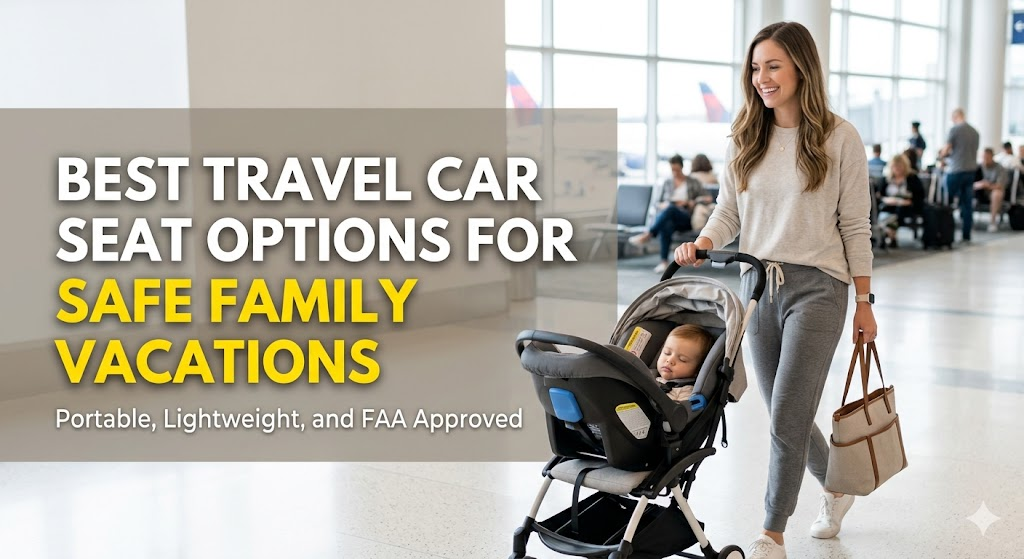
Going on a family trip is a beautiful adventure. It brings a lot of joy, laughter, and great memories. However, packing for a vacation with little kids can feel quite stressful. You have to think about strollers, heavy bags, and diapers. Most importantly, you need to keep your little one completely safe on the road or in the air. Lugging a massive, heavy everyday seat through a crowded airport terminal is a total nightmare. That is exactly why finding the perfect travel car seat changes everything for smart parents.
A great portable option is lightweight, compact, and super easy to set up. It gives you peace of mind while saving your back from heavy lifting. Over the years, I have helped hundreds of families plan smooth trips. I always tell them that safety should never be left behind. Choosing a specialized seat makes your journey simple and highly secure. Let us dive deep into how you can choose the best ride for your child.
Why You Need a Dedicated Travel Car Seat
Using your heavy, everyday safety seat for flying or road trips is usually a bad idea. Regular seats are built for maximum luxury and remain fixed inside your personal vehicle. They often weigh over twenty-five pounds and take up too much physical space. Carrying that massive weight through a busy terminal will leave you exhausted before your flight even takes off. A compact travel car seat solves this huge problem because it is designed specifically for quick movement.
These portable seats are much lighter and often weigh less than ten pounds total. Many models can fold up tightly or fit neatly inside a backpack carrying bag. They allow you to jump into a taxi, rental vehicle, or airplane row without breaking a sweat. Investing in one means you protect your expensive everyday seat from getting damaged by rough baggage handlers.
Understanding Airplane Safety and FAA Approval
Many parents wonder if they can just hold their child on their lap during a flight. While airlines allow lap infants under two years old, it is not the safest choice. Severe turbulence can happen instantly and cause dangerous falls inside the cabin. The Federal Aviation Administration strongly recommends using a certified travel car seat for every single flight. It keeps your child securely buckled during takeoff, landing, and bumpy air.
To use a seat on a plane, it must have a special label printed on the side. Look for red text that states the restraint is certified for use in motor vehicles and aircraft. This official FAA approval ensures the base will fit properly into narrow airplane seats. It makes the flight much more comfortable for your child because they are sitting in a familiar, cozy spot.
The Big Debate: Checking vs. Carrying On
Should you check your safety gear at the ticket counter or bring it directly to your gate? Checking your essential travel car seat as baggage is totally free on almost all major airlines. However, luggage handlers can be very rough with bags, and your seat might get tossed around. Hidden structural damage can happen easily if a heavy suitcase falls on top of it.
Bringing the seat on the plane is always the safest option for your family. If you do not want to use it on the flight, consider gate-checking it right before boarding. Gate-checking means the item is placed on top of the luggage pile right before the flight. It reduces the chance of loss or major damage. Always use a padded travel bag to shield the fabric and plastic frame from dirt.
Lightweight Materials That Do Not Compromise Safety
Some parents worry that a lighter weight means a product is less safe for their child. Thankfully, modern engineering allows brands to build incredibly strong structures using lightweight materials. High-strength aluminum frames and dense, energy-absorbing foam protect against sudden impacts. A high-quality travel car seat passes the exact same strict crash tests as your heavy everyday model.
Manufacturers strip away the heavy steel tubes and giant cup holders to save weight. They focus purely on core safety features like strong five-point harnesses and solid side-impact protection. This means you get a highly secure product that is easy to lift with just one hand. You never have to sacrifice safety just to get a lightweight design.
How to Install Your Seat in a Rental Car
Installing a safety seat in an unfamiliar rental vehicle can sometimes feel quite frustrating. Before you leave the airport lot, take a moment to read the vehicle manual carefully. Most modern rental cars feature standard LATCH connectors built directly into the rear passenger seats. Using these lower anchors is often the fastest way to secure a lightweight travel car seat.
If the rental car lacks anchor points, you can easily use the standard seat belt instead. Pull the belt out completely to lock it into place before feeding it through the path. Press down hard with your knee to push all the extra air out of the cushion. A correctly installed seat should not slide more than one inch in any direction.
Comparing Different Travel Car Seat Types
| Car Seat Type | Average Weight | Best For | Key Advantage |
| Infant Car Seat | 7 to 10 lbs | Newborns to 12 Months | Clicks directly into travel strollers |
| Convertible Seat | 9 to 14 lbs | Toddlers and Older Kids | Grows with child, rear and forward facing |
| Folding Booster | 3 to 6 lbs | Kids 4 Years and Older | Fits easily inside a standard carry-on bag |
Top Features to Look for Before Buying
When shopping for a new travel car seat, you must check a few important details. First, look at the total weight and ensure it feels comfortable for you to carry. Next, check the width of the base to make sure it fits narrow spaces. A slim design measuring under 17 inches wide is perfect for airplanes and small compact cars.
Look for machine-washable fabrics because traveling with young kids can get very messy. Removable covers save you a lot of time when drinks spill during a long road trip. Simple harness adjustments are also wonderful because they save you from re-threading straps in dark spaces. Always prioritize models that have excellent user reviews for quick and simple installation.
Managing Tight Budgets and Finding Value
You do not need to spend a massive fortune to get a highly reliable safety option. There are several amazing budget-friendly models that offer incredible value for frequent travelers. A simple, low-cost travel car seat often weighs less than more expensive luxury options. They lack fancy padding but provide excellent crash protection for your little explorer.
Consider how often you plan to take trips before choosing a specific model. If you fly multiple times a year, spending a bit more on a folding option is worth it. For an occasional weekend trip to visit grandparents, a basic lightweight option works perfectly. Always check expiration dates on used seats to ensure they are fully safe to use.
Tips for Carrying Safety Gear Through the Airport
Navigating a bustling airport terminal while managing heavy gear requires a smart strategy. Many parents use a specialized car seat trolley to wheel the seat like a suitcase. You can even strap your toddler into the seat and wheel them right through security. It turns your travel car seat into a fun stroller ride for your child.
Another great method is using heavy-duty backpack straps that attach directly to the metal frame. This keeps your hands completely free to hold your child’s hand or carry boarding passes. If you use a stroller, look for attachment straps that let you hang the seat securely over the handlebars. Planning your carrying method ahead of time prevents chaotic moments at the security line.
International Travel Rules and Certification Standards
Taking your kids on an overseas vacation requires extra research regarding local safety laws. Car seats certified in the United States do not always match European or Australian rules. Europe uses the ECE R44 or R129 standards, which require different attachment methods. A US-certified travel car seat might not be technically legal to use inside a European rental car.
Always check the local transit laws of your destination country before booking your plane tickets. Some countries allow tourists to use their home country seats for short vacation periods. If local laws are extremely strict, renting a approved seat with your vehicle might be easier. However, bringing your own gear ensures you know its exact crash history and cleanliness.
Transitioning to Travel Boosters for Older Kids
As your children grow bigger, carrying heavy safety gear becomes much easier. Kids who are at least four years old can often transition into a portable booster. A folding booster or an inflatable ride-vest makes a wonderful travel car seat alternative. These clever products weigh almost nothing and slide effortlessly into a small school backpack.
Boosters work by lifting your child up so the vehicle’s adult seat belt fits across their strong bones. The lap belt must sit low across the hips, and the shoulder belt should cross the chest. Never rush into a booster until your child can sit properly without slouching for the entire ride. Keeping them in a traditional harness as long as possible is always the safest path.
Frequently Asked Questions
Can I use a travel car seat on any airline?
Yes, you can use any certified seat on domestic and international airlines if it is FAA-approved. Always check the width of the aircraft seats on the airline website before your flight. Some ultra-low-cost carriers have narrow seating rows that require very slim safety gear.
Is it better to rent a seat from a car rental company?
Renting a seat seems easy, but it carries some hidden risks for families. Rental companies might give you an old, dirty, or incorrectly sized model for your child. Bringing your own reliable travel car seat ensures maximum safety and cleanliness.
How do I protect my seat if I decide to check it?
Always place the item inside a thick, padded storage bag designed specifically for airport travel. Write your name, phone number, and flight details clearly on the outside of the bag. Adding some bubble wrap around the plastic buckles provides extra defense against rough drops.
What age is appropriate for a folding travel booster?
Children should be at least four years old and weigh over forty pounds before using a booster. They must also have the maturity to sit completely upright without leaning forward or pulling on the belt. For younger toddlers, a traditional five-point harness travel car seat is still required.
Can I install a portable seat without using LATCH anchors?
Absolutely, every approved model can be safely installed using the vehicle’s standard seat belt system. Ensure you feed the belt through the correct path and lock the retractor mechanism completely. A belt installation is just as safe as anchors when done correctly.
Do travel seats expire like regular everyday seats?
Yes, all child safety restraints have an expiration date stamped onto the plastic frame. The materials degrade over time due to heat, sunlight, and regular wear. Always check this date before using an older model for an upcoming trip.
Conclusion
Finding the ideal travel car seat comes down to balancing your child’s size, your budget, and your travel style. If you fly constantly, focus on ultra-lightweight models that fold down flat. For long road trips, prioritize comfort and thick padding so your child can nap easily. Taking the time to research your options ensures everyone enjoys a relaxed, peaceful vacation.
Remember to practice installing your new gear inside your own vehicle before heading to the airport. Learning how the straps adjust in your living room prevents stress on the road. A safe child is a happy traveler, and a reliable seat is the ultimate key to a successful journey. Pack your bags, secure your gear, and go create wonderful memories with your loved ones!