What Is Cold Laser Therapy?
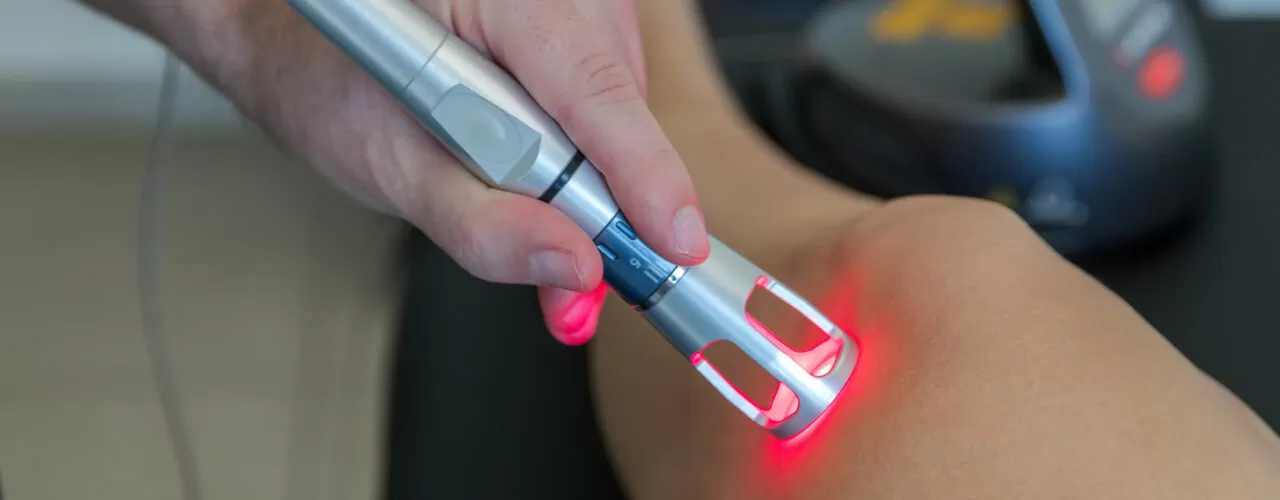
Cold laser therapy, also known as Low-Level Laser Therapy (LLLT) or Photobiomodulation (PBM), is a non-invasive treatment that uses specific wavelengths of light to interact with your body’s tissues. Unlike surgical lasers that cut or burn, these “cold” lasers operate at low energy levels. They don’t generate heat that would damage the skin. Instead, the light penetrates the surface to reach underlying cells.
This therapy is designed to stimulate cellular activity, promoting natural healing processes. It’s a bit like giving your cells a little energy boost to help them repair themselves. It’s gained traction as a way to manage pain and inflammation without drugs or surgery.
How Cold Laser Therapy Differs From Surgical Lasers
It’s important to know that cold laser therapy is fundamentally different from the lasers used in surgery. Surgical lasers are high-powered and are designed to cut, vaporize, or coagulate tissue. They generate significant heat, which is how they perform their precise work. Think of them as a very sharp, very hot scalpel.
Cold lasers, on the other hand, are low-powered. Their primary function isn’t to cut or burn but to interact with cells on a biological level. The light energy is absorbed by the cells, triggering a series of beneficial biochemical reactions. The key difference lies in their energy output and intended effect: cutting versus healing.
Here’s a quick breakdown:
- Surgical Lasers: High power, generate heat, cut/vaporize tissue.
- Cold Lasers (LLLT): Low power, no significant heat, stimulate cellular activity.
The Science Behind Photobiomodulation
Photobiomodulation (PBM) is the scientific term for how cold laser therapy works. When the low-level light from the laser is applied to the skin, it’s absorbed by chromophores within the cells, particularly in the mitochondria. Mitochondria are often called the powerhouses of the cell because they produce ATP (adenosine triphosphate), the main energy currency of the cell.
By absorbing the light energy, the mitochondria become more efficient at producing ATP. This increased cellular energy can then be used for various repair and regeneration processes. PBM also influences other cellular functions, such as reducing oxidative stress and modulating inflammatory pathways. It’s a complex process that essentially tells your cells to work more efficiently and heal themselves.
The light energy from cold lasers doesn’t just sit on the surface; it’s absorbed by specific parts of your cells. This absorption kicks off a chain reaction that helps your cells produce more energy and reduces inflammation. It’s a biological response, not a thermal one.
Essentially, PBM uses light to encourage your body’s natural healing mechanisms to work better and faster.
How Cold Laser Therapy Alleviates Pain
So, how does this “cold” laser actually help with pain? It’s not magic, though it might feel like it sometimes. The main idea is that the light energy from the laser gets absorbed by your cells, and this absorption kicks off a chain reaction that helps your body heal and feel better.
Boosting Cellular Energy Production
Think of your cells like tiny batteries. When they’re low on power, they can’t do their jobs very well, and that can lead to pain and slow healing. Cold laser therapy, also known as photobiomodulation, works by giving these cellular batteries a boost. The light energy is absorbed by structures within your cells, specifically the mitochondria, which are like the powerhouses of the cell. This absorption helps them produce more ATP (adenosine triphosphate), which is the main energy currency for your cells. More ATP means your cells have the energy they need to repair themselves and function properly.
Enhancing Circulation for Healing
Another way cold laser therapy helps is by improving blood flow to the treated area. When you have an injury or inflammation, blood flow can get restricted, which means less oxygen and nutrients are getting to the damaged tissues. The laser light can help relax blood vessels and encourage better circulation. This increased blood flow brings more oxygen and healing factors to the area, while also helping to clear away waste products and inflammatory substances that can contribute to pain.
Reducing Inflammation at the Source
Inflammation is a natural part of the healing process, but when it sticks around too long or gets out of control, it can cause a lot of pain and damage. Cold laser therapy can help dial down that inflammation. It does this by influencing certain chemical pathways in your cells that are involved in the inflammatory response. By reducing the production of inflammatory markers and promoting the production of anti-inflammatory ones, the therapy helps to calm down the overactive inflammatory process right where it’s happening.
It’s pretty neat how a non-invasive light treatment can get your body’s own healing mechanisms working overtime. Instead of just masking pain, it seems to address some of the underlying issues that cause it in the first place.
Here’s a quick look at the key ways it helps:
- Increased Cellular Energy (ATP): Gives cells the power to repair.
- Improved Blood Flow: Delivers oxygen and nutrients, removes waste.
- Reduced Inflammation: Calms down the body’s pain-causing inflammatory response.
- Promotes Tissue Repair: Encourages cells to rebuild damaged areas.
Conditions Treated With Cold Laser Therapy
Relief for Musculoskeletal Ailments
Cold laser therapy, also known as Low-Level Laser Therapy (LLLT) or Photobiomodulation (PBM), has shown promise in helping with a variety of issues affecting your muscles, bones, and connective tissues. It’s not a magic bullet, but for many people, it offers a way to manage pain and support the body’s natural healing processes when other methods haven’t quite hit the mark. Think of it as a gentle nudge to your cells to get back to work.
This therapy works by directing specific wavelengths of light into the affected areas. These light waves penetrate the skin and reach the underlying tissues. There, they interact with your cells, encouraging them to produce more ATP, which is like the energy currency for your cells. This boost in cellular energy can help damaged cells repair themselves and function better. It’s a way to help your body heal from the inside out, without needing surgery or strong medications.
Addressing Joint and Muscle Pain
When you’re dealing with achy joints or sore muscles, the idea of a non-invasive treatment can be appealing. Cold laser therapy is often used for conditions like:
- Arthritis-related joint pain
- Muscle strains and sprains
- General muscle soreness and stiffness
- Tendinitis (like tennis elbow or runner’s knee)
- Lower back pain
The goal is to reduce inflammation and pain while speeding up the repair of damaged tissues. By increasing circulation to the area, the therapy helps bring in more oxygen and nutrients that your cells need to heal. At the same time, it can help clear away waste products and inflammatory substances that contribute to pain and swelling. It’s a two-pronged approach to getting you feeling better.
It’s important to remember that cold laser therapy isn’t a quick fix for every single case. The effectiveness can depend on the specific condition, how long you’ve had it, and individual body responses. However, for many, it provides a significant improvement in comfort and function.
Treating Nerve Pain and Injuries
Nerve pain, often described as sharp, burning, or tingling, can be particularly challenging to manage. Conditions like sciatica or carpal tunnel syndrome, which involve nerve compression or irritation, can be targeted with cold laser therapy. It’s also used for injuries that affect the nerves, helping to reduce inflammation around the nerve and promote healing.
- Neuropathic pain (pain caused by nerve damage)
- Sciatica
- Carpal tunnel syndrome
- Post-surgical pain where nerves may have been affected
- Sports injuries that involve nerve impingement
While the exact mechanisms are still being studied, the anti-inflammatory effects and the cellular energy boost provided by LLLT are thought to play a key role in alleviating nerve-related discomfort and aiding recovery from nerve injuries. It’s a gentle way to support the nervous system’s healing process.
The Benefits of Choosing Cold Laser Therapy
When you’re dealing with persistent pain or slow-to-heal injuries, it’s natural to look for options that are effective without causing more problems. Cold laser therapy, also known as Low-Level Laser Therapy (LLLT) or Photobiomodulation (PBM), really stands out in this regard. It’s a treatment that uses specific wavelengths of light to encourage your body’s natural healing processes. Unlike surgical lasers that cut or burn, cold lasers work gently, penetrating the skin to stimulate cells without any heat or discomfort.
A Safe and Drug-Free Alternative
One of the biggest draws of cold laser therapy is that it offers a way to manage pain and inflammation without relying on medications. For many people, this is a huge relief. Think about it: no pills to remember to take, no worries about side effects or interactions with other medications. It’s a non-invasive approach that works with your body’s own systems.
- No risk of addiction: Unlike opioid pain relievers, there’s no potential for dependency.
- Minimal side effects: Most people report no adverse reactions at all.
- Complements other treatments: It can often be used alongside physical therapy or other conventional treatments.
Accelerated Tissue Repair and Healing
Cold laser therapy works on a cellular level. The light energy is absorbed by your cells, particularly the mitochondria, which are like the powerhouses of the cell. This absorption helps boost the production of ATP, the energy currency your cells need to function and repair themselves. It’s like giving your cells a little extra energy boost to get the job done faster.
This increased cellular activity leads to several positive outcomes:
- Faster cell regeneration: Damaged cells can rebuild and recover more quickly.
- Improved blood flow: Circulation to the injured area increases, bringing more oxygen and nutrients needed for healing.
- Reduced swelling: The therapy helps clear out inflammatory byproducts, which can reduce swelling and discomfort.
Painless Treatment With No Downtime
Seriously, the sessions are quick and you won’t feel much, if anything. Most treatments take just a few minutes. You’ll just feel the laser device on your skin, but there’s no heat, no pain, no weird sensations. And the best part? You can usually go right back to your normal activities immediately after a session. There’s no need to rest or recover, which is a big deal if you’ve got a busy life. It fits right in without disrupting your day.
Cold laser therapy is a gentle, non-invasive method that encourages your body’s natural healing capabilities. It’s a great option for those seeking relief from pain and inflammation without the risks associated with drugs or surgery.
Finding Cold Laser Therapy in Las Vegas
So, you’re looking into cold laser therapy in Las Vegas, huh? It’s a pretty neat option for dealing with pain and getting things to heal up faster, without any drugs or surgery. If you’re in the Vegas area and wondering if this is the right path for you, let’s break down what you need to know.
Who Is a Good Candidate for Treatment?
Generally, most people can try cold laser therapy. It’s a gentle, non-invasive approach. You might be a good fit if you’re dealing with:
- Persistent muscle or joint pain that just won’t quit.
- Old injuries that still flare up now and then.
- Discomfort lingering after a surgery.
- You’re otherwise in decent health and looking for a natural way to feel better.
It’s always best to chat with a professional to see if it’s the perfect match for your specific situation. They can help you figure it out.
What to Expect During a Session
Forget long, drawn-out appointments. Cold laser therapy sessions are usually pretty quick and, best of all, painless. You’ll likely sit or lie down comfortably while the therapist applies the low-level light directly to the area needing treatment. You might feel a slight sensation, but there’s no heat or discomfort. It’s really straightforward.
Locating Expert Providers Near You
When you’re searching for cold laser therapy in Las Vegas, you want to find a place that knows what they’re doing. Places like Canyon Lake Chiropractic and Physical Therapy are known for offering these kinds of treatments. They might also offer other related services, such as spinal decompression therapy in Las Vegas, which can be helpful for back issues. Doing a little research to find a clinic with good reviews and experienced practitioners is key. Don’t hesitate to call and ask questions about their experience with cold laser therapy and what conditions they commonly treat.
Remember, cold laser therapy works by using specific light wavelengths to encourage your cells to heal and reduce inflammation. It’s a way to help your body do what it does best, just a bit faster and more effectively.
Frequently Asked Questions
What exactly is cold laser therapy?
Cold laser therapy, also known as low-level laser therapy (LLLT), is a treatment that uses a special kind of light. This light is gentle and doesn’t create heat, which is why it’s called ‘cold.’ It’s used to help your body heal and reduce pain and swelling by working with your cells.
How is cold laser therapy different from surgical lasers?
Surgical lasers are very powerful and are used to cut or burn tissue. Cold lasers, on the other hand, are much weaker and don’t produce heat. They are designed to go into your skin and soft tissues without causing any damage, working to promote healing instead of cutting.
How does cold laser therapy help with pain?
When the cold laser light hits your body’s cells, it gives them an energy boost. This extra energy helps cells repair themselves and reduces swelling. It also improves blood flow to the injured area, bringing more healing stuff and taking away waste, which helps ease pain.
What kinds of pain can cold laser therapy help with?
Cold laser therapy can be helpful for many types of pain, like pain from injuries to muscles and joints, back pain, neck pain, and even nerve pain. It’s also used for conditions like arthritis and sports injuries.
Are there any side effects from cold laser therapy?
One of the great things about cold laser therapy is that it’s very safe. It doesn’t involve surgery or strong medicines, and most people don’t experience any side effects. The treatment is gentle and pain-free.
How long does it take to see results from cold laser therapy?
The time it takes to feel better can vary from person to person and depends on the condition being treated. Some people notice relief right away, while others might need a few sessions over a few weeks. The results can last for a long time, sometimes up to a year.