
A clean pool looks simple. Keeping it that way is not always simple.
Most homeowners do not struggle because they ignore pool care. They struggle because dirt shows up in different places, at different speeds, and for different reasons. The floor collects leaves and grit. The walls hold fine residue. The waterline picks up oils, dust, and marks that seem to appear even when the water looks clear. If you treat all three areas the same way, maintenance often feels harder than it should.
The better approach is to understand how each surface gets dirty, then build a routine that reduces repeated work. When the routine is practical, the pool stays cleaner with less effort.
Stop Treating the Whole Pool as One Surface
Many cleaning routines fail for one simple reason: they are too general.
A pool is not one single cleaning zone. The floor, walls, and waterline each collect different kinds of buildup. The floor catches heavy debris. The walls may develop light film or early algae growth. The waterline often shows body oils, sunscreen, and floating residue that sticks near the surface.
If you use the same method for all of them, you often end up doing more work than needed. You may over-focus on one area and miss another. Or you may keep repeating the same tasks without solving the real problem.
A lower-effort routine starts when you break the pool into sections. Once you do that, cleaning becomes more targeted and more efficient.
Keep the Floor Clean by Staying Ahead of Settled Debris
The pool floor is where the mess becomes visible first. Leaves, dust, sand, insects, and small debris tend to settle there. The longer they sit, the more annoying they become.
Fresh debris is easy to remove. Old debris is not.
Leaves can soften and break apart. Fine dirt can spread when disturbed. Small particles may settle into corners or textured surfaces. Once that happens, the floor takes more time to clean. That is why the easiest way to reduce effort is to remove debris before it builds into layers.
A simple habit helps here: check the floor often, even if you do not do a full clean every day. A quick visual check tells you whether debris is starting to collect in one area. If you catch it early, you avoid a bigger cleanup later.
This is especially important after wind, rain, or heavy pool use. Those are the moments when dirt tends to build faster than usual.
Give Extra Attention to the Places Where Debris Always Collects
Not every part of the pool floor gets dirty the same way.
Some pools have one end where leaves drift and settle. Others collect grit near steps, corners, or sloped transitions. If you clean the entire floor with the same intensity every time, you waste energy. You also make the routine feel longer than it needs to be.
A better method is to learn your pool’s patterns.
Look for repeat trouble spots:
- corners where leaves gather
- areas below nearby trees
- the deep end where fine dirt settles
- steps and ledges where dust collects
Once you know these spots, you can check them first. This small change saves time because you stop treating every cleaning session like a full reset. Instead, you focus on the zones that actually need attention most often.
Keep Walls Cleaner by Preventing Light Buildup
Pool walls usually do not look dirty right away. That is part of the problem.
Because wall buildup starts gradually, it is easy to ignore. A thin layer of residue may not be obvious at first. But once it sits too long, it becomes harder to remove. The same is true for early algae film in warmer conditions.
Cleaning the walls becomes easier when you stop waiting for visible buildup. Light maintenance is always easier than corrective maintenance.
This does not mean heavy scrubbing all the time. It means paying regular attention before the walls look dirty. A steady routine keeps residue from turning into a larger job. That saves effort because you avoid the kind of cleaning that requires force and extra time.
In simple terms, less buildup means less scrubbing.
Do Not Let the Waterline Become a “Later” Job
The waterline is one of the easiest places to delay and one of the easiest places to notice once it is dirty.
Even in a well-maintained pool, the top edge can collect residue quickly. Oils, sunscreen, dust, and floating debris often leave a visible line over time. Because the pool water may still look clear, many owners put this task off. Then the buildup becomes more noticeable and harder to clean.
That is why the waterline should never be treated as an occasional extra. It should be part of normal upkeep.
The easiest way to keep it cleaner with less effort is simple: handle it while the marks are still light. A quick pass at the right time is much easier than waiting until the buildup becomes stubborn. This is one of the clearest examples of how regular attention reduces hard work later.
Use a Short, Repeatable Routine Instead of Long Cleaning Sessions
One of the biggest mistakes in pool care is trying to do everything at once.
Long cleaning sessions feel productive, but they are hard to maintain. If the routine takes too much time, it is easier to delay it. Once you delay it, debris builds up. Then the next session takes even longer.
A better system is short, repeatable maintenance.
For example:
- quick visual checks during the week
- regular debris removal before the floor gets heavy
- light wall attention before residue becomes visible
- waterline cleaning before marks become dark or stubborn
This kind of routine does not feel dramatic, but it works. It keeps the pool in a more stable condition. And when the pool stays stable, no single cleaning session feels overwhelming.
Consistency is what lowers effort. Not intensity.
Reduce the Most Repetitive Parts of the Work
Pool care becomes tiring when the same physical tasks keep returning.
Floor cleaning is repeated. Wall cleaning is repeated. Debris removal is repeated. If too much of that process depends on manual effort every single time, the routine starts to feel like a burden.
That is why a lower-effort plan should focus on reducing repetition where possible. The goal is not to remove all responsibility. The goal is to spend less energy on the tasks that come back week after week.
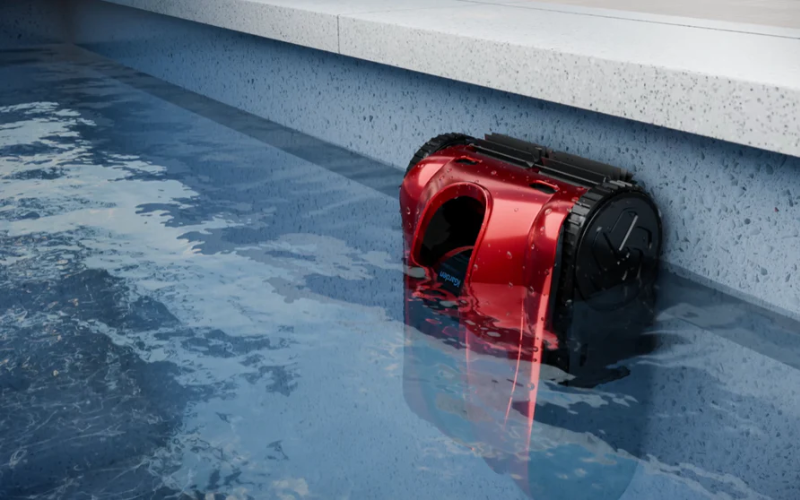
Automating routine cleaning can reduce the amount of repeated manual work across the floor and walls. The iGarden Robotic Pool Cleaner is one example of a device used for that purpose, especially when consistency matters more than occasional deep cleans.
The benefit of this kind of approach is not just convenience. It is consistency. When repeated tasks feel easier, people are more likely to keep the pool clean on schedule.
Work With Your Pool’s Conditions, Not Against Them
Some pools naturally stay cleaner than others. A screened pool may collect less debris. A pool near trees may collect more. Pools used often may show faster waterline buildup. Wind, heat, and rain can all change how quickly the surfaces get dirty.
A smart routine takes these conditions seriously.
If your pool gets leaves after every windy day, check the floor and corners sooner. If the waterline gets marked quickly during hot weather, give it more frequent attention. If the walls stay clean most of the season, do not waste time over-cleaning them.
Lower effort does not mean doing less no matter what. It means doing what your pool actually needs, based on real conditions instead of a rigid routine.
That makes the work more efficient and more realistic.
Cleaner Surfaces Come From Smaller, Smarter Habits
Pool floors, walls, and waterlines stay cleaner when maintenance is broken into simple, useful habits.
Remove floor debris before it settles into a bigger mess. Watch the areas where dirt always collects. Do not wait for wall residue to become obvious. Clean the waterline before it turns into a stubborn ring. Keep the routine short enough that you can actually repeat it.
This is what reduces effort in the long run. Not harder cleaning. Not longer cleaning. Just better timing and better focus.
A pool does not need constant deep cleaning to stay in good shape. It needs a routine that catches buildup early and handles the right areas at the right time. When that happens, the pool looks cleaner, the work feels lighter, and maintenance becomes much easier to live with.