
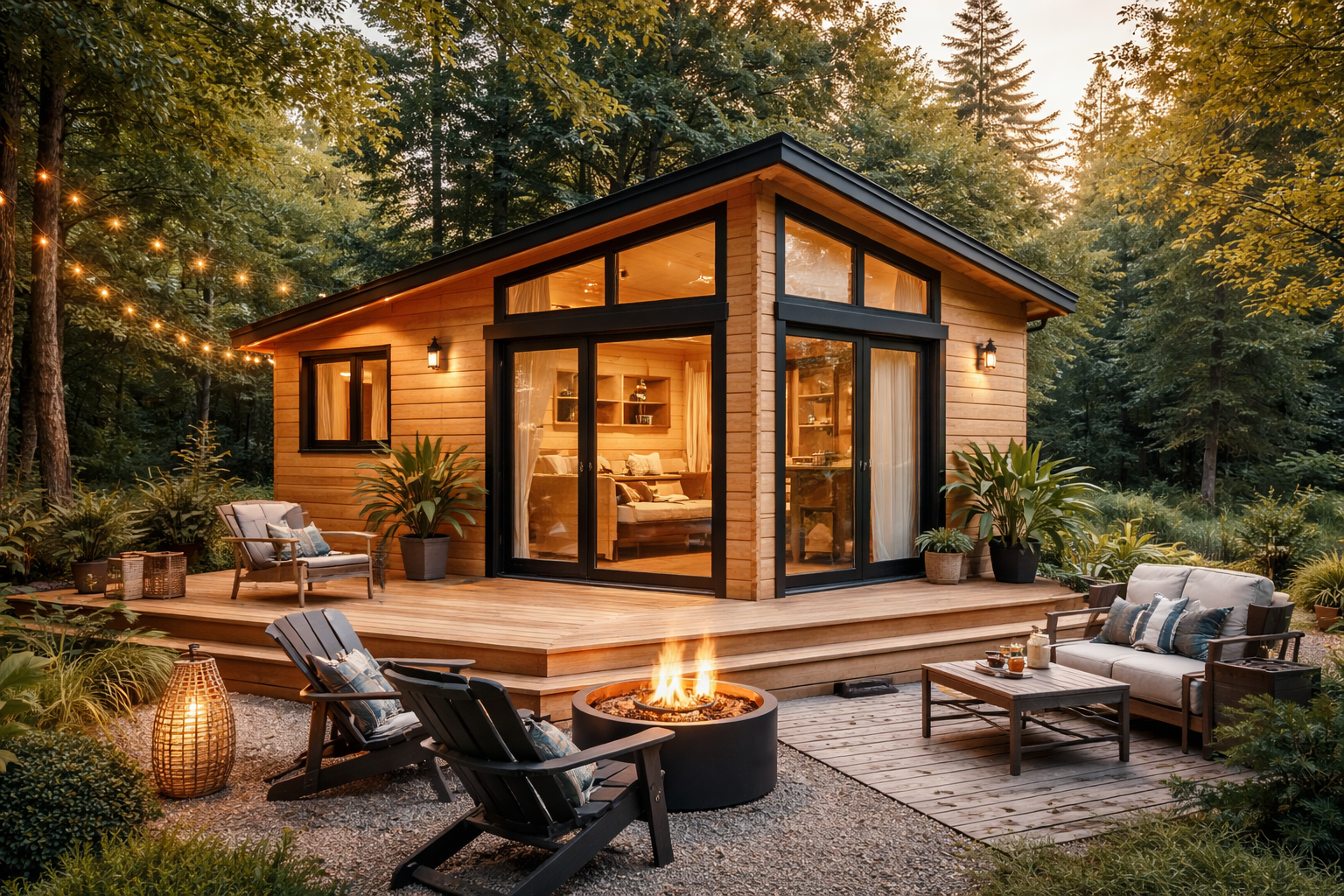
Tiny Home: Costs, Kits, Plans, Builders, and Communities Explained
A tiny home can feel like freedom when it fits your real daily routine. This guide keeps things simple and honest. You’ll learn how layout, parking, and build quality change comfort, safety, and long-term cost. If you want a home that feels premium inside a small footprint, start with the right plan and ask the right questions before you spend money.
What a Tiny Home Is and Why People Love It
A tiny home is a small house built for smart living. Many are 100 to 400 square feet, but the best ones feel bigger because the space is planned well. People love tiny living because it cuts clutter, lowers bills, and makes life feel lighter. Still, the win only happens when the layout matches your habits. Think about sleep, cooking, storage, and work space first. A cozy loft can feel fun, but a ladder can get old fast. A small kitchen looks cute, but it must fit your cooking style. This is why floor plans matter more than décor. When a tiny house is built with solid insulation and good airflow, it can feel calm, warm, and truly premium.
Tiny Home Cost: What You Pay and Why It Changes
Tiny home cost can swing a lot in the USA. Some people spend less by building the basics, then upgrading slowly. Others buy a finished unit and pay more upfront. Price changes with insulation, windows, roof style, wiring, plumbing, and appliances. A trailer can add a big chunk if you want a mobile build. Land and permits can also cost more than the home itself. Many buyers miss that part at first. If you plan to park long-term, think about hookups, water lines, and septic options. If you plan to move, think about fuel, towing limits, and maintenance. A premium tiny home is not just pretty inside. It stays comfortable in heat, cold, rain, and long nights.
Tiny Home Floor Plans That Feel Bigger Than They Are
Great tiny home floor plans guide your day in a smooth way. You should enter, drop shoes, move to the kitchen, then relax without bumping into clutter. A good plan gives you a clear sitting space, a real cooking zone, and storage that hides the mess. Closed cabinets often beat open shelves for peace of mind. Loft beds save floor space, but a main-floor bed can feel easier for many people. If you work from home, plan a desk early, even if it folds down. Two-sided light feels better than one-sided light, so windows matter more than fancy wall art. When you pick a plan, imagine a rainy day inside. If it still feels comfy, you’re close to the right layout.
Tiny Home Plans: DIY Drawings vs Pro Designs
Many people search tiny home plans and download the first set they see. That can be risky. Some plans are only pretty sketches and do not show real structure details. Strong plans include roof pitch, framing notes, safe stairs, and a clear layout for wiring and plumbing runs. Even when you build on private land, safe construction still matters. Moisture problems and weak framing can ruin a small home fast. If you are new to building, simple shapes often win because they are easier to seal and insulate. A rectangle with smart storage can feel more premium than a complex shape with leaks. If a plan seller offers clear material lists and support, you save time and avoid waste.
Tiny Home Kits and Tiny Home Kit Options: What You Really Get
Tiny home kits sound simple, but you must check what is included. Some kits cover the shell only. Others include windows, doors, and basic finish materials. A tiny home kit can be a smart choice if you want speed and a clear starting point. Shipping costs can be high, so ask about delivery fees and packaging. Also ask if the kit is built for your climate zone. Warm-state wall systems may not feel comfortable in cold areas. Support matters too. A good kit company offers clear steps and answers your questions fast. If you are shopping tiny home kits for sale, compare insulation level, roof strength, and window quality, not only the sticker price.
Prefab Tiny Home vs Custom Build: Which One Fits You?
A prefab tiny home is built in a factory and delivered to your site. Many buyers like prefab because quality can stay consistent. Factory teams repeat builds and learn where problems happen. Custom builds give more freedom, but they can cost more and take longer. Your best choice depends on how you plan to live. If you want a simple move-in-ready unit, prefab may feel easier. If you need a special layout, like a dedicated work desk or extra storage for gear, custom may fit better. Before you choose, decide your parking plan first. Decide your daily routine second. Then compare build types based on comfort, not hype. A tiny home should feel like a real home, not a display piece.
Tiny Home Builders and Tiny Home Builders Near Me: How to Choose Safely
Tiny home builders can be amazing when they show proof. Ask to see past builds. Ask for real customer feedback. Ask what trailer brand they use for mobile homes. Searching tiny home builders near me can help because local builders know local weather and building norms. Also, visits are easier. Ask about insulation, ventilation fans, wiring size, and moisture control. Those hidden details shape comfort more than décor. A good builder explains things in simple words and gives clear contracts. Avoid vague promises. A tiny home is a big purchase, even if it is small in size. Keep every key detail written down, including timeline, payment steps, and warranty support.
Tiny Home Trailer and Tiny Home on Wheels: Towing and Weight Basics
A tiny home trailer is the foundation of a mobile build. Trailer size controls the home length and total weight. Weight matters for safety. A tiny home on wheels must stay balanced and strong during travel. Ask about axle rating, brakes, and tire load limits. Plan your tow vehicle early so you do not get surprised later. Water tanks also add weight quickly when full. Inside the home, smart material choices can keep weight down. Heavy wood looks nice, but it can push you past safe limits. A travel-ready tiny home also needs cabinet latches, strong joints, and secure fixtures. Roads shake everything. If you want the freedom to move, build for movement from day one.
Tiny Home Communities and Tiny Home Village Living
Tiny home communities solve a big problem: legal parking with hookups. Many communities offer power, water, trash pickup, and a safe place to live with neighbors who understand the lifestyle. A tiny home village can feel social, which is great for people who live alone. Still, rules vary by location. Ask about pets, guests, noise, and long-term rent changes. Visit in person and talk to residents if possible. People who live there can tell you what the place really feels like. Also ask about winter care, like snow removal in colder states. A tiny home lifestyle feels premium when your spot is stable, your utilities are reliable, and your day feels calm.
Walmart Tiny Home and Amazon Tiny Home Searches: What People Mean
When people search walmart tiny home or amazon tiny home, they often mean flat-pack cabins, modular sheds, or small prefab units sold through marketplace listings. These can be real options, but you must check what they are built for. Some are meant for storage, not full-time living. Check insulation, roof strength, window quality, and wiring approvals. Also check the full size and what is included in the package. If a listing has only pretty pictures with no clear specs, pause and verify. A tiny home must stay dry, safe, and comfortable in real weather. Many buyers enjoy these listings as a starting point, then upgrade with better insulation, better windows, and a stronger interior finish.
Tesla Tiny Home: The Off-Grid Dream in Simple Terms
People use the phrase tesla tiny home to describe a tiny house with solar power, battery storage, and efficient appliances. Many want a clean, quiet setup that feels tech-forward. You can build that style by planning your real power needs. Heating and cooking can drain power quickly. Choose efficient lights, a good inverter, and smart daily habits. Still, off-grid life is not only power. Water and waste plans matter too. A small home can get damp if airflow is weak, so ventilation is key. If you want the off-grid feel, keep your setup simple and reliable. A premium tiny home setup feels best when the basics work every day, not only when the sun is bright.
Tiny Home Ideas That Make Small Space Feel Luxury
Tiny home ideas that work best focus on comfort and flow. Use hidden storage under benches and beds. Use tall cabinets to take advantage of vertical space. Add pocket doors to save room. Use warm lighting to make the space feel calm. Mirrors can bounce light and make rooms feel open. Pick one bold design feature and keep the rest simple. Too many bold items can feel busy in a small home. Curtains also matter. Blackout curtains can make loft sleep easier. Moisture control is another luxury detail. A small dehumidifier can protect walls and reduce damp smells in humid states. When every item earns its place, a tiny home feels premium, clean, and easy to enjoy.
Biography and Profile Tables (Clear Snapshot)
These tables give a simple picture of tiny living and a clean checklist you can use while comparing options. They are helpful when you see a listing for tiny home for sale near me and want to judge it quickly. The goal is simple: compare real needs instead of getting pulled in by photos alone. If a seller cannot answer basic profile questions, that is a warning sign. A tiny home is small, but the purchase is serious, so clear details protect your money and your comfort.
| Biography Table (Sample Tiny Home Owner Story) | |
|---|---|
| Name | Jordan (Sample Buyer Persona) |
| Goal | Lower bills and simpler daily living |
| Home Type | Tiny home on wheels |
| Living Style | Rents a pad in a tiny home community |
| Budget Focus | Balances comfort and monthly costs |
| Biggest Win | Less clutter, faster cleaning, calmer routine |
| Biggest Challenge | Storage planning and moisture control |
| Would Do Again | Choose better insulation and more windows |
| Would Change | Add a main-floor bed instead of a loft |
| Profile Feature | Recommended Target | Why It Matters |
|---|---|---|
| Size | 200–350 sq ft | Comfort balance with a smart layout |
| Insulation | Climate-fit wall + roof | Comfort and steady indoor temperature |
| Trailer Rating | Matches total weight | Safer towing and stability |
| Ventilation | Fans + airflow plan | Less damp smell and less moisture damage |
| Storage | Closed cabinets + bench storage | Cleaner look and less daily stress |
| Kitchen | Real prep space | Daily cooking feels easy |
| Bathroom | Full shower plan | Better comfort for full-time living |
| Power | Shore + solar option | Flexible living choices |
FAQs About Tiny Homes
These quick answers cover the questions people ask most before they commit. Read them like a checklist. If you can answer these items clearly, you are far more likely to enjoy tiny living long term. A tiny home feels best when comfort and safety are planned early.
Are tiny home kits good for beginners?
Can I live full-time in a tiny home on wheels?
How do I compare prefab tiny home options?
What should I check in a used tiny home for sale near me?
Do tiny home communities save money?
What does “Tesla tiny home” really mean?
Conclusion: A Tiny Home Works Best When It Matches Your Real Life
A tiny home can be a strong move when your layout, parking plan, and build quality line up. Start with your routine, not the photos. Decide if you want to travel or stay put, then choose a plan, kit, builder, or prefab option that fits that choice. When you compare, focus on insulation, airflow, storage, and safe systems. Those details decide comfort. If you are browsing listings, ask for clear specs and proof. If you are hiring builders, ask for past work and a written contract. Tiny living can feel premium and peaceful when you plan smart. Take one simple next step: tour a local unit, write what you loved and hated, then use that list to guide your final choice.