

Introduction: What Makes a Calico Cat Unique?
calico cat If you’ve ever spotted a cat with a dazzling mix of orange, black, and white fur, chances are you’ve encountered a calico. These cats aren’t a specific breed but rather a unique coat pattern that makes them stand out in any crowd of felines. Calico cats are sometimes confused with tortoiseshell cats, but their patches of white set them apart. Their striking coats look as though nature itself painted them with a brushstroke of colors, making each one completely one-of-a-kind.
The most fascinating thing about calico cats is that their pattern isn’t just about aesthetics—it’s rooted in genetics. In fact, the calico coat pattern is linked to the X chromosome, which is why the majority of calico cats are female. Male calicos are so rare that they’re often considered anomalies, appearing in roughly one in every 3,000 calicos. This genetic twist makes them even more mysterious and intriguing.
Beyond their genetics, calico cats have also built a reputation for their strong-willed and vibrant personalities. Some people swear by the idea of “calico attitude,” suggesting these cats are more spirited than others. While that might just be anecdotal, it’s clear that calicos leave a lasting impression wherever they go.
The Origins and Genetics of Calico Cats
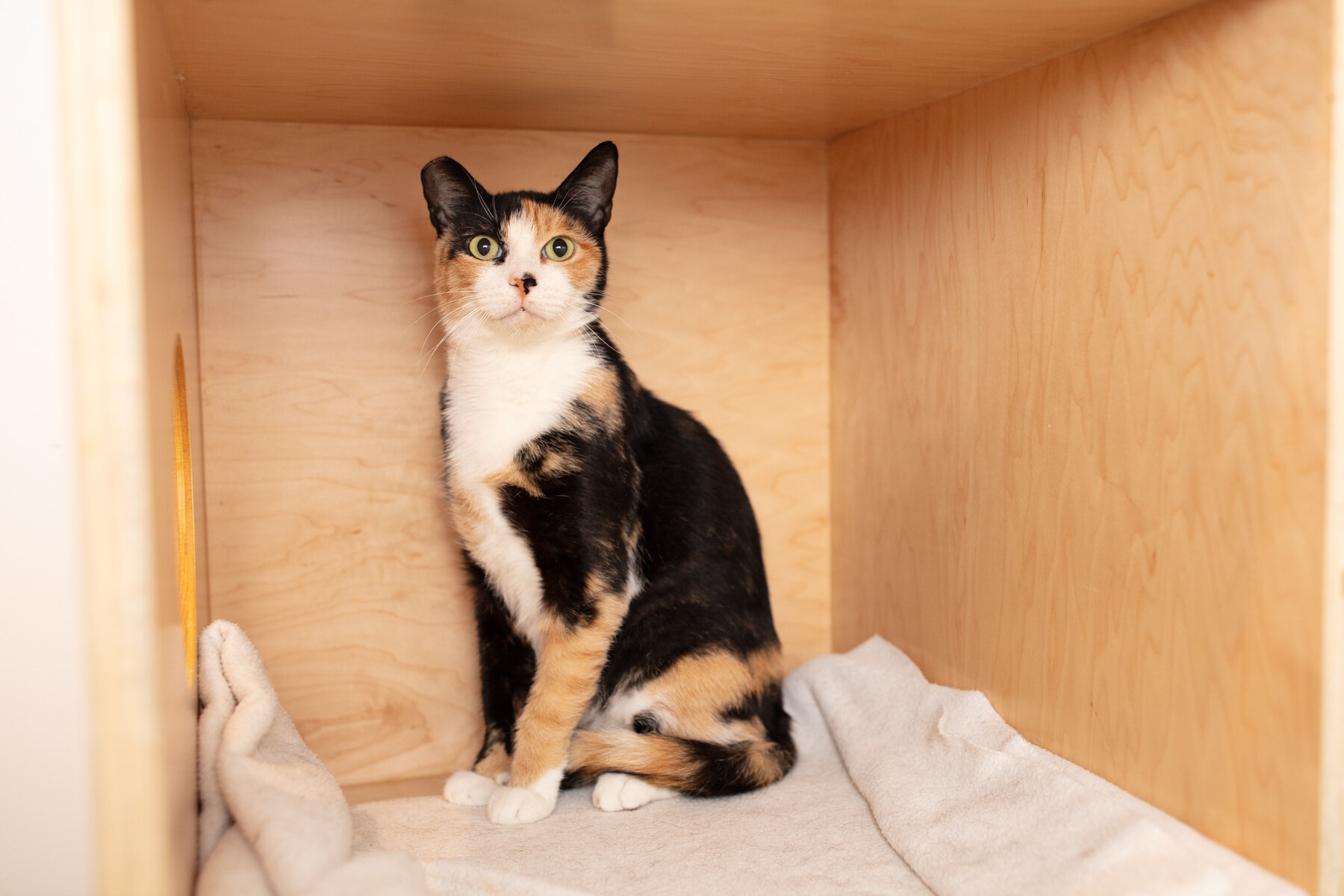
calico cat pattern isn’t tied to a single breed but rather arises from a combination of genes. The two main colors—black and orange—are carried on the X chromosome. Since females have two X chromosomes, they have the opportunity to display both colors if they inherit different versions of the gene. White patches, on the other hand, come from a completely different gene that influences how pigment is distributed across the coat.
This genetic shuffle creates the stunning mosaic pattern we know as calico. Because males have only one X chromosome, they typically can’t express both black and orange colors at once. The exception happens when a male cat has an extra X chromosome—resulting in a genetic condition called Klinefelter syndrome. While rare, this is the only way a male can be a true calico.
Interestingly, the calico pattern has been around for centuries and appears in many parts of the world. Cats with this coat have been admired in folklore, often seen as symbols of luck, prosperity, and charm. In Japan, for instance, calicos are believed to bring good fortune, which explains why the famous “Maneki-neko” or beckoning cat figurine is often painted in calico colors.
Personality and “Calico Attitude”
Ask any cat owner and they’ll tell you: calico cats have personality in spades. While coat color technically shouldn’t dictate temperament, many calico owners report their cats being spirited, playful, and sometimes downright sassy. This has led to the popular phrase “calico attitude,” a way of describing their feisty and confident demeanor.
Calico cats often display independence, preferring to do things on their own terms. That doesn’t mean they aren’t affectionate—many calicos love curling up with their humans—but they’re less likely to be clingy compared to some other cats. Instead, they may alternate between snuggling in your lap and batting at your pen while you’re trying to work.
One of the most charming things about calicos is their unpredictability. Some are bold explorers who want to climb every shelf and investigate every corner, while others take a queenly approach, ruling the house with quiet authority. Whatever their style, they almost always keep life interesting. It’s safe to say that with a calico in your home, you’ll never be bored.
Calico Cats in Different Cultures
The beauty of calico cats hasn’t gone unnoticed throughout history and across cultures. In Japan, as mentioned earlier, they’re seen as good luck charms. Fishermen often kept calico cats on their ships, believing they could protect them from storms and misfortune. Even today, Japanese culture holds calicos in high regard, with calico-themed talismans and decorations symbolizing prosperity.
In the United States, calico cats hold the title of “official state cat” in Maryland. The state chose them because their orange, black, and white fur mirrors the colors of the Baltimore oriole, the state bird, and the Baltimore checkerspot butterfly, the state insect. It’s a charming example of how deeply these cats have woven themselves into local symbolism.
Irish and Celtic folklore also consider calicos lucky, particularly for sailors and travelers. Having a calico onboard was thought to protect against misfortune, and even on land, they were sometimes seen as warding off bad spirits. Clearly, across the globe, these cats have been treasured not just for their beauty but for the positive energy people associate with them.
Living with a Calico Cat
If you’re lucky enough to live with a calico, you already know that they bring a special kind of joy to the household. Because their coat pattern isn’t tied to breed, their care is no different from any other domestic cat. However, their spirited personalities may require a bit more patience and flexibility on your part.
Calicos tend to enjoy interactive play. Toys that mimic prey—like feather wands or laser pointers—can help them burn off energy and satisfy their hunting instincts. Because they can be clever, puzzle feeders or treat-dispensing toys are a great way to keep them mentally stimulated. These activities also strengthen your bond, helping your cat see you as both provider and playmate.
As with any cat, it’s important to provide a balanced diet, regular veterinary care, and a safe environment. Calicos don’t have any unique health issues related specifically to their coat pattern, though male calicos with Klinefelter syndrome may have a shorter lifespan and increased health challenges. Female calicos, on the other hand, generally live long, healthy lives when well cared for.
The Symbolism and Meaning of Calico Cats
Beyond their looks and behavior, calico cats carry rich symbolism. They’re often associated with luck, prosperity, and resilience. Their rarity, especially when it comes to males, adds to this mystique. In many cultures, simply having a calico around is thought to bring good energy to a household.
Calicos also represent individuality. No two calico coats are alike, which makes them living symbols of uniqueness and self-expression. Just as each pattern is distinct, so too are their personalities, making them beloved pets for people who appreciate cats with character.
For some, calicos embody strength and independence. The so-called “calico attitude” isn’t just a joke—it reflects the way these cats carve out their space in the world, unafraid to be bold. That symbolism resonates with many cat owners who see their calico as both companion and inspiration.
Conclusion: Why We Love Calico Cats
At the end of the day, calico cats are more than just a pretty coat pattern. They’re fascinating genetic marvels, cultural icons, and, above all, loving companions. Whether you’re drawn to their good-luck symbolism, their one-of-a-kind appearance, or their spirited personalities, it’s easy to see why calicos hold a special place in the hearts of cat lovers worldwide.
If you’re considering adopting a cat, a calico might just be the perfect choice. Be prepared for a bit of sass, a lot of playfulness, and endless charm. With their colorful coats and colorful personalities, calico cats truly bring a splash of magic into any home.