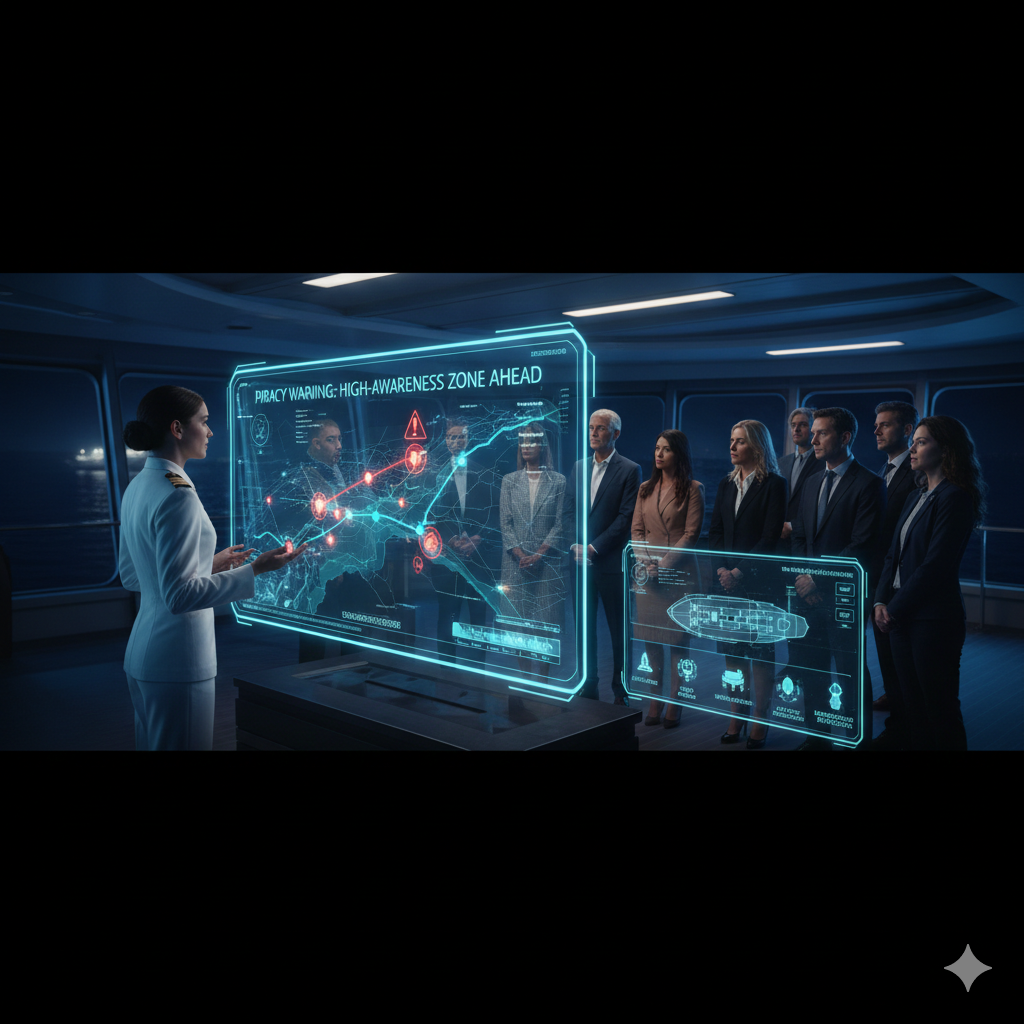
What is Digital Out-Of-Home?
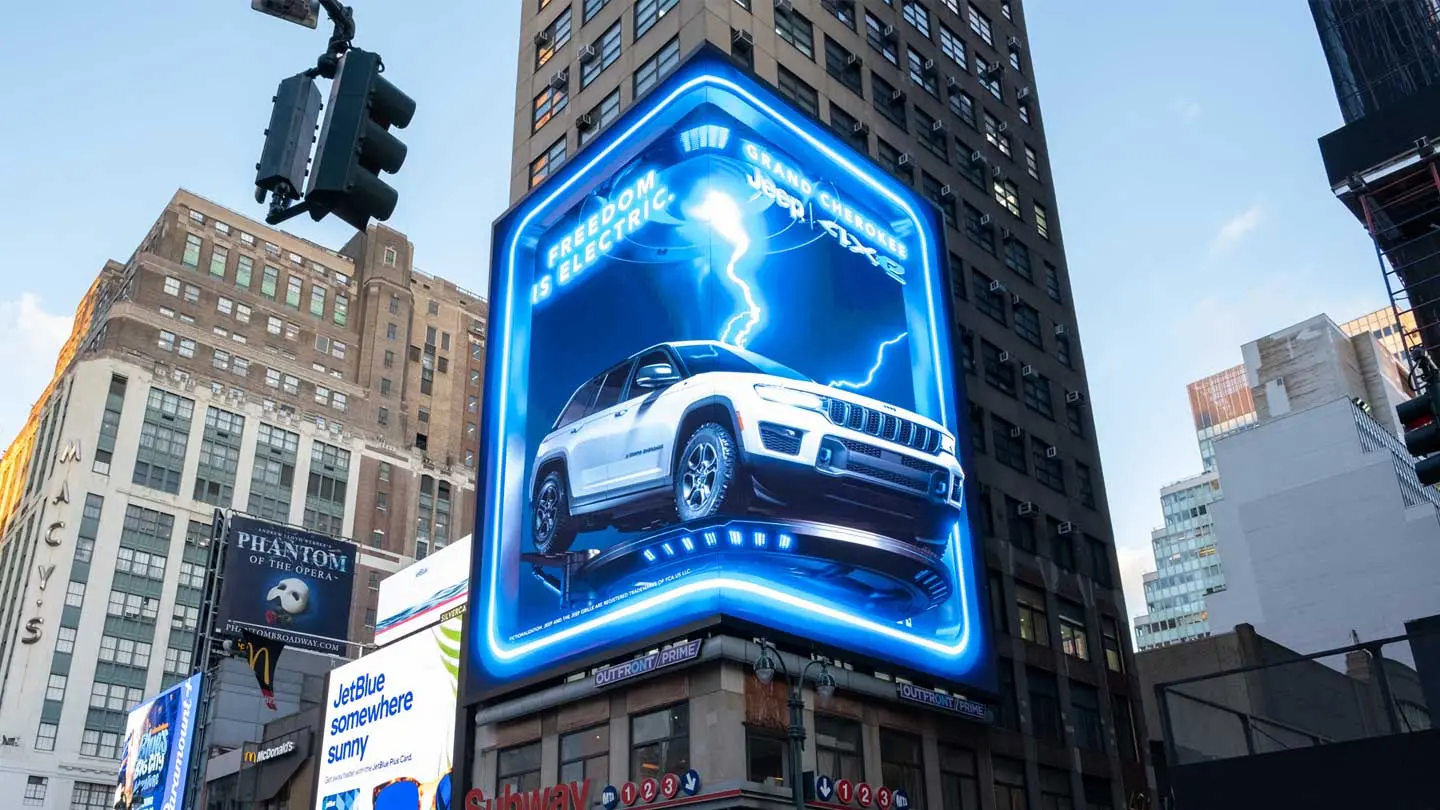
Digital out-of-home (DOOH) advertising is basically ads you see on screens when you’re out and about. Think digital billboards on the highway, screens in shopping malls, or displays in transit stations. It’s a way for brands to connect with people in the real world, not just when they’re scrolling on their phones or watching TV. DOOH advertising aims to catch your eye during those everyday moments when you’re on the move. It’s like traditional billboards, but with the flexibility and dynamism of digital media. This means ads can be updated easily and even changed based on what’s happening around them.
Key Differences from Traditional OOH
Traditional out-of-home (OOH) advertising, like printed posters or static billboards, has been around forever. It’s great for broad awareness, but it’s pretty much set in stone once it’s up. You can’t change it easily, and it’s a one-size-fits-all message. DOOH, on the other hand, is all about digital screens. This makes a big difference:
- Dynamic Content: DOOH ads can be updated remotely and in real-time. This means a brand can swap out ads quickly or even show different ads at different times of the day.
- Flexibility: Unlike static ads that run for a set period, DOOH allows for more agile campaigns. You can adjust messaging based on weather, local events, or even traffic.
- Interactivity: Some DOOH screens can even be interactive, allowing people to engage with the ad using their phones or touchscreens.
- Targeting: While traditional OOH reaches a broad audience, DOOH can be more targeted, using data to reach specific demographics or people in certain locations.
Basically, DOOH takes the big, visible nature of OOH and adds the smarts and adaptability of digital advertising, similar to programmatic display advertising but in a physical space.
The shift from static to digital in outdoor advertising isn’t just about fancier screens; it’s about making ads more relevant and timely for people who are actually out living their lives. It’s about meeting consumers where they are, in the physical world, with messages that make sense for that moment.
The Evolving Landscape of OOH
The world of out-of-home advertising is changing fast. For a long time, it was just about big billboards. Now, with digital screens popping up everywhere, DOOH is becoming a major player. We’re seeing more and more screens in places like:
- Gas stations
- Gyms
- Grocery stores
- Public transport hubs (bus stops, train stations, airports)
- City streets (digital kiosks)
This expansion means brands have more opportunities to reach people throughout their day. Plus, the technology behind DOOH is getting smarter. It’s moving beyond just displaying ads to becoming a more integrated part of a brand’s overall marketing plan, working alongside online efforts to create a more complete customer experience.
Targeting Audiences with Digital Out-Of-Home
Okay, so you’ve got these big digital screens popping up everywhere, right? From bus stops to shopping centers. The cool thing about Digital Out-Of-Home (DOOH) is that it’s not just a static picture anymore. It’s smart. It can actually figure out who’s looking and show them something relevant. This is a huge step up from just plastering the same ad everywhere and hoping for the best.
Leveraging Data for Precise Targeting
This is where DOOH really shines. Instead of guessing, advertisers can use data to get pretty specific. Think about it: you can target people based on where they are, what time it is, or even what the weather’s like. For example, if it’s suddenly raining, a DOOH screen near a coffee shop could show an ad for hot chocolate. It’s about making the ad feel like it belongs right there, right then.
- Location-Based Targeting: Showing ads to people within a certain radius of a store or event.
- Demographic Targeting: Reaching specific age groups or income levels in particular areas.
- Time-Based Targeting: Displaying ads during peak commute hours or lunch breaks.
- Behavioral Insights: Using anonymized data to understand audience movement patterns.
Contextual and Situational Messaging
This goes hand-in-hand with data. It’s about making the ad fit the moment. If a screen is at a train station, the ad might be for a quick meal or a travel service. If it’s in a busy shopping mall, it could be for a sale happening right then and there. The goal is to make the ad feel helpful or relevant to what the person is experiencing. It’s not just about seeing an ad; it’s about seeing an ad that makes sense for your current situation.
This approach means ads feel less intrusive and more like a helpful suggestion. When an ad matches the environment or the viewer’s immediate needs, it’s more likely to be noticed and remembered positively.
Privacy-Safe Targeting Capabilities
Now, you might be thinking, “Is this creepy?” The good news is that DOOH is getting really good at targeting without needing to know your personal details. Instead of tracking individuals, it uses broader data. Think about the general type of people who pass by a certain screen, or what’s happening in the area. It’s more about the environment and the collective audience than spying on one person. This is important because people are more aware of their privacy these days, and this method respects that.
- Anonymized Data: Using aggregated, non-identifiable information.
- Environmental Triggers: Responding to real-time conditions like weather or local events.
- First-Party Data Integration: Connecting with a brand’s own customer data in a privacy-compliant way.
- Geofencing: Defining specific geographic areas for ad delivery without tracking individuals within them.
The Power of Dynamic Content in DOOH
Forget those old billboards that showed the same ad for months. Digital Out-of-Home (DOOH) advertising is all about change, about being relevant right now. This is where dynamic content comes in, and honestly, it’s a game-changer for brands trying to connect with people in the real world.
Real-Time Creative Updates
Think about it: a digital screen can show different ads depending on the time of day, the weather, or even a local event happening nearby. If it’s pouring rain, an ad for umbrellas or a cozy cafe makes way more sense than one for sunglasses, right? This ability to swap out creative on the fly means your message is always timely and feels less like a generic ad blast. It’s like having a conversation with your audience, not just shouting at them. This flexibility is a big step up from traditional OOH, where changing an ad meant a whole lot of work and expense.
Interactive and Engaging Experiences
DOOH isn’t just about showing pretty pictures; it can actually get people involved. Some screens let you interact directly, maybe by using your phone to pull up more info or even play a quick game. Imagine walking by a screen and being able to vote on something or get a personalized discount code sent to your phone just by being there. These kinds of experiences make a brand memorable. They turn passive viewers into active participants, which is way more effective than just hoping someone notices your ad.
Augmented Reality Integrations
This is where things get really futuristic. Augmented Reality (AR) can blend the digital ad with the real world in cool ways. A brand could show an ad for a new car, and with AR, you could see how it looks parked on your own street, right there on the screen. Or maybe an ad for a clothing store lets you virtually try on an outfit. These aren’t just ads anymore; they’re mini-experiences that can really grab attention and make a lasting impression. It’s about creating moments that people want to share, which is great for word-of-mouth and social media buzz.
The shift from static to dynamic content in DOOH allows for a level of personalization and relevance that was previously impossible. By adapting messages to immediate circumstances and audience context, brands can create more impactful and memorable interactions, driving better campaign performance and consumer engagement.
Here’s a quick look at how dynamic content can be used:
- Weather-Responsive Ads: Showing umbrellas when it rains, or ice cream when it’s hot.
- Time-Sensitive Offers: Promoting breakfast deals in the morning and dinner specials in the evening.
- Event-Based Messaging: Displaying ads related to a nearby concert or sports game.
- Traffic-Aware Updates: Adjusting messages based on current traffic conditions, like suggesting alternative routes.
Discover the true power of The Version2’s Digital Out-of-Home (DOOH) advertising. We go beyond simple visibility—we ensure your message is delivered at the perfect time, in the perfect place. It is not just an upgrade; it’s the dynamic, adaptable future of OOH advertising, here today.
Measuring the Impact of DOOH Campaigns
So, you’ve put your ads out there on those big digital screens. That’s great! But how do you know if it actually worked? Unlike a website ad that gives you clicks right away, figuring out the impact of Digital Out-of-Home (DOOH) advertising takes a bit more thought. It’s not just about guessing anymore, though. There are some solid ways to see what your campaign did.
Driving Real-World Actions
It’s pretty cool how DOOH can actually get people to do things. Think about it: someone sees an ad for a new restaurant on their way home. They might decide to stop there for dinner that night. Or maybe they see an ad for a store and decide to pop in the next time they’re nearby. Studies show a good chunk of people take action after seeing a DOOH ad. This could be anything from visiting a place to making a purchase or even just talking about the brand with a friend.
Here are some common actions people take:
- Visiting a nearby store or restaurant
- Making an in-store purchase
- Searching for the brand online
- Talking about the brand with others
- Watching a related video online
The key here is that DOOH connects the digital ad you see on a screen to a physical place or action. It’s about influencing what people do when they’re out and about.
Attribution and Performance Metrics
Okay, so how do we actually measure this stuff? For a long time, measuring outdoor ads was kind of fuzzy. But because DOOH is connected to the internet, we have better tools now. We can look at things like:
- Impressions and Reach: This is about how many people likely saw your ad and how many unique individuals were exposed to it. Companies use traffic data and location info to figure this out.
- Audience Demographics: Using mobile data (in a way that keeps things private, of course), advertisers can get a picture of who is actually seeing the ads in different locations.
- Online Uplift: Did your ad make more people search for your brand or visit your website? Marketers can track spikes in these online activities that line up with when and where the DOOH ads were running.
- QR Codes and Promo Codes: Sometimes, ads will have a QR code to scan or a special discount code. This is a direct way to see how many people used it, linking the ad directly to a sale or sign-up.
For example, a campaign for a local attraction might use a QR code that leads to a special ticket offer. If lots of people scan that code, you know the ad worked to drive interest and potential visits.
Consumer Favorability and Recall
Beyond just actions, DOOH can also change how people feel about a brand and if they remember it. This is where brand lift studies come in handy. They work by surveying two groups of people: one group saw the DOOH ad, and another group didn’t. Then, you compare their answers.
These studies can tell you if the ad made people:
- More aware of the brand
- More likely to consider buying from the brand
- More likely to remember the brand later
Imagine a brand running a DOOH campaign in a busy city center. A brand lift study might show that people who saw the ads were significantly more likely to recognize the brand’s logo or recall its slogan compared to those who didn’t see the ads. This kind of measurement helps show the ad’s impact on building brand recognition and positive feelings, which are super important for long-term success.
Integrating DOOH into Omnichannel Strategies
Bridging Physical and Digital Touchpoints
Digital Out-of-Home (DOOH) advertising isn’t just about putting up screens in busy places; it’s about connecting with people when they’re out and about, away from their phones or computers. Think about your daily commute, a quick stop at the grocery store, or waiting at a bus stop. These are all moments where DOOH can catch your eye. The real magic happens when these physical world ads work together with your online ads. This is where omnichannel strategy comes in, making sure your brand message is consistent and reaches people wherever they are. It’s like having a conversation with your audience that flows smoothly from a digital ad on their phone to a big screen they see on their way to work.
Amplifying Mobile and Social Campaigns
DOOH can actually give your mobile and social media ads a big boost. When someone sees an interesting ad on a digital billboard, they might pull out their phone to look up the brand or share it with a friend. Studies show a good chunk of people do just that – they search for social media handles or talk about what they saw. This means a DOOH ad can drive traffic to your social pages or get people searching for your brand online. You can even use the data from who saw your DOOH ad to retarget them with ads on their phones or social feeds later. It’s a smart way to keep your brand in their minds across different platforms.
Here’s how DOOH can help your other digital efforts:
- Drives Online Search: People look up brands they see on DOOH screens.
- Boosts Social Sharing: Ads seen in public can become content shared online.
- Fuels Retargeting: Those who see DOOH ads can be targeted with digital ads later.
- Increases Brand Recall: Seeing a brand in multiple places makes it more memorable.
Creating Cohesive Brand Experiences
Imagine seeing an ad for a new coffee shop on a digital screen near a train station, then getting a mobile coupon for that same shop later that day. That’s a cohesive experience. DOOH helps make sure your brand feels present and relevant throughout a person’s day. It bridges the gap between the digital world we spend so much time in and the physical world we live in. By using DOOH alongside your online ads, you create a more complete picture of your brand for consumers. This consistent presence helps build trust and makes your marketing efforts work harder together, rather than in separate silos.
When DOOH ads are timed right and placed in relevant locations, they feel less like interruptions and more like helpful information. For instance, an ad for a nearby restaurant showing up on a screen as people leave work makes sense. It’s about being there at the right moment with a message that fits the situation, making the whole advertising experience feel more natural and less intrusive.
Future Trends in Digital Out-Of-Home
The world of Digital Out-of-Home (DOOH) advertising isn’t standing still. It’s constantly changing, and a few big shifts are shaping what we’ll see in the coming years. Think of it as the advertising equivalent of upgrading your phone – things just keep getting smarter and more connected.
Programmatic DOOH Advancements
This is a pretty big deal. Programmatic DOOH is basically bringing the automated buying and selling of online ads to the physical world of billboards and screens. Instead of buying ad space months in advance, advertisers can now buy it on the fly, almost like a stock trade. This means ads can be shown to specific people at specific times based on things like location, the weather, or even what’s happening in the local area. It makes advertising way more efficient and less wasteful.
- Real-time bidding and buying: Advertisers can purchase ad space instantly.
- Data-driven targeting: Ads are shown based on audience data, time of day, and environmental factors.
- Dynamic adjustments: Campaigns can be tweaked on the fly to match current conditions.
Programmatic buying allows for highly targeted campaigns that feel relevant to the moment, rather than a generic message.
Sustainability in Outdoor Advertising
People are more aware of the environment these days, and that includes advertising. Brands are starting to think about how their outdoor ads impact the planet. This means we’re seeing more ads made with recycled materials or powered by solar energy. It’s not just about the materials, though. Brands are also using DOOH to promote eco-friendly messages, like advertising electric vehicle charging stations.
- Use of recycled or sustainable materials in ad structures.
- Solar-powered digital screens and billboards.
- Advertising eco-friendly products and services.
AI-Driven DOOH Solutions
Artificial intelligence (AI) is popping up everywhere, and DOOH is no exception. AI can help make DOOH campaigns much smarter. It can analyze huge amounts of data to predict audience behavior, figure out the best times and places to show ads, and even help create more engaging content. This means ads will likely become even more personalized and effective.
- AI for audience analysis and prediction.
- Optimizing ad placement and timing.
- Automated content creation and personalization.
Frequently Asked Questions
What is Digital Out-Of-Home (DOOH) advertising?
Digital Out-Of-Home (DOOH) advertising uses digital screens in public places, like malls, bus stops, and airports, to show ads. Unlike old-fashioned billboards, DOOH can change messages quickly and even show interactive content.
How does DOOH targeting work without using personal data?
DOOH uses things like location, time of day, weather, and nearby events to decide what ads to show. It doesn’t need personal information like names or phone numbers, so it keeps people’s privacy safe while still showing relevant ads.
What makes DOOH different from traditional outdoor advertising?
Traditional outdoor ads, like paper billboards, stay the same until someone changes them. DOOH ads can change in real time, show videos, and even let people interact with them. This makes them more flexible and attention-grabbing.
Can DOOH advertising be measured to see if it works?
Yes, DOOH can track things like how many people saw the ad, if people visited a store after seeing it, or if they used their phones to scan a QR code. This helps brands know if their ads are making a difference.
How does DOOH fit in with other types of advertising?
DOOH works well with online and social media ads. For example, someone might see a DOOH ad on their way to school and then see the same brand online later. This keeps the brand fresh in their mind and can make them more likely to take action.
What are some cool trends in DOOH advertising?
Some new trends include using programmatic buying (which means ads are bought and shown automatically based on data), adding augmented reality for interactive experiences, and using eco-friendly materials or solar-powered screens to help the environment.