
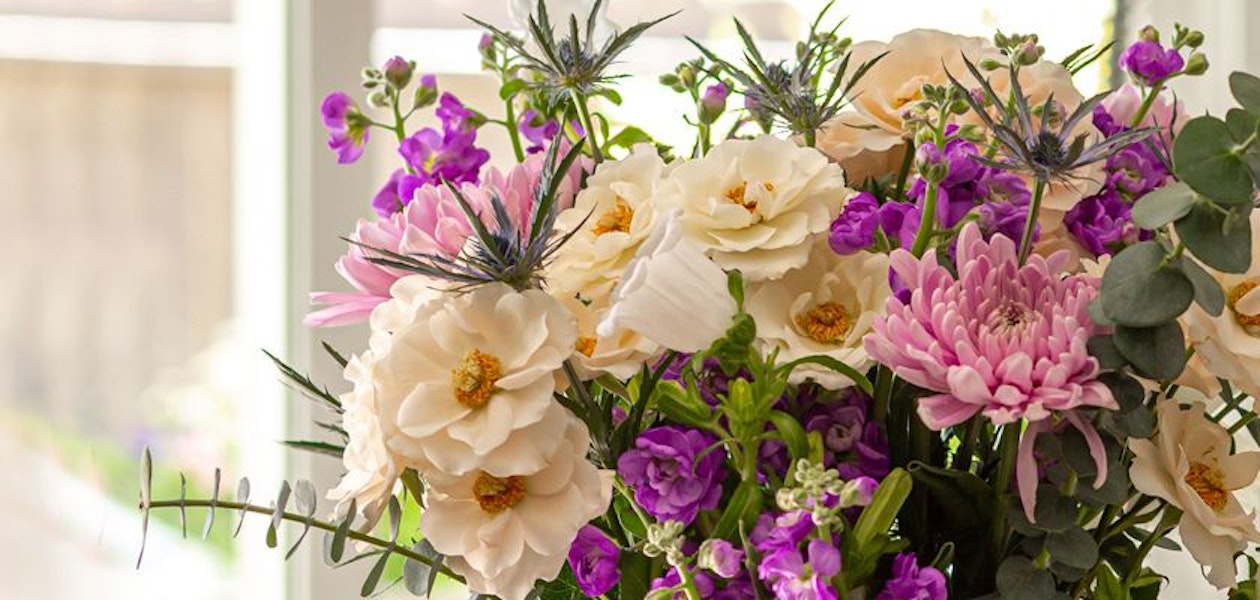
When someone we care about passes away, finding the right words can be tough. Often, funeral flowers step in to say what we can’t. They’re a way to show you care, offer comfort, and honor the person who died. But there’s a bit of a dance to it, making sure your gesture lands just right.
The Purpose of Sympathy Flowers
Think of sympathy flowers as a quiet hug in floral form. They’re meant to bring a bit of beauty and peace into a difficult time. Whether they go to the funeral home or the family’s house, these arrangements are a visible sign of support. They can help create a more comforting atmosphere during services and serve as a reminder that the person was loved and will be missed. The main goal is to offer solace and express condolences.
When Flowers Aren’t the Expected Gesture
Sometimes, the family might have different wishes. You might see requests like “in lieu of flowers” or “donations preferred” in the obituary. It’s really important to pay attention to these. Families might ask for donations to a favorite charity because it was meaningful to the deceased, or they might want to keep things simpler and avoid the logistics of managing many flower arrangements. Respecting these wishes is a key part of funeral flower etiquette.
- “In Lieu of Flowers”: This means the family would prefer a different kind of tribute, like a donation.
- “Donations Preferred”: Similar to the above, they’re suggesting a charitable contribution.
- No Mention: If nothing is specified, flowers are generally acceptable, but it’s always good to double-check.
Navigating ‘In Lieu of Flowers’ Requests
If you see “in lieu of flowers,” it’s best to honor that. You can still send a card with a personal message. If you feel strongly about sending something tangible, consider a small, modest gift that doesn’t resemble a traditional funeral arrangement, or a donation to the specified charity in the deceased’s name. A quick call to the funeral home can also clarify what the family might appreciate if you’re unsure.
It’s not about sending the biggest or most expensive arrangement. It’s about sending a thoughtful gesture that shows you care and respect the family’s wishes during their time of grief.
Choosing Where to Send Sympathy Flowers
When you decide to send flowers, figuring out the best place for them to go is the next step. It really makes a difference in how and when the grieving family receives your thoughtful gesture. Most of the time, you’ll be choosing between the funeral home or the family’s home.
Delivery to the Funeral Home or Service in Salt Lake City, Utah
Sending flowers directly to the funeral home or the place where the service will be held is a very traditional route. These arrangements are meant to be seen during the wake, viewing, or the funeral ceremony itself. They add a touch of beauty and respect to the setting, offering a visual expression of sympathy for everyone gathered. Think of large standing sprays, wreaths, or crosses that are often placed near the casket or at the front of the room. It’s a way to show your support publicly during a difficult time.
- Funeral Home: This is the most common destination for flowers intended for the service. They’ll be set up and displayed for attendees.
- Place of Worship/Ceremony Site: If the service is held at a church, temple, or other venue, flowers can be sent there directly.
- Timing is Key: Usually, flowers should arrive at the funeral home on the day of the service or the day before, if possible. It’s always a good idea to confirm delivery times with the funeral home.
When sending flowers to the funeral home, it’s customary to include a card with your name or the name of your group (like your workplace) so the family knows who is offering their condolences.
Sending Tributes to the Family’s Home
Sometimes, sending flowers directly to the family’s home feels more personal. This is especially fitting if the service is private, if there’s no formal viewing, or if you hear about the loss after the funeral has already taken place. These arrangements can bring a quiet sense of comfort to their personal space during the days and weeks that follow the service. They serve as a gentle reminder that people are thinking of them even after the initial ceremonies are over.
- Personal Comfort: Flowers at home can be a source of solace during the quiet moments of grief.
- After the Service: A great option for when you want to offer support after the main events have concluded.
- Smaller Arrangements: Often, smaller, more intimate arrangements like bouquets or plants are suitable for home delivery in Utah.
Gravesite Flowers and Memorials
Flowers are also often brought to the gravesite, usually by close family members, following the burial. Some people choose to place flowers there as a way to remember their loved one on special dates, like birthdays or anniversaries. While less common for friends or colleagues to send directly to the gravesite, it’s a deeply meaningful gesture for those closest to the deceased. If you’re considering this, it’s best to coordinate with the immediate family.
- Direct to Grave: Typically done by family members after the service.
- Special Occasions: A way to mark significant dates for the departed.
- Consideration: Check with the cemetery about any specific rules regarding floral tributes.
Timing Your Floral Tributes
When you decide to send flowers, the timing can actually make a difference in how they’re received and appreciated. It’s not just about sending them eventually, but sending them when they can offer the most comfort.
When to Send Flowers for the Service
If your goal is for the flowers to be part of the funeral or memorial service, you’ll want to get them there with enough time to be set up. The best bet is usually to have them delivered to the funeral home the day before the service, or very early on the morning of the service itself. This gives the funeral home staff time to place them without feeling rushed. Think about it: they’ve got a lot to manage, and having your beautiful tribute arrive when they can easily incorporate it into the arrangements is a thoughtful touch.
- Aim for delivery the day before the service.
- Alternatively, ensure delivery early on the morning of the service.
- Confirm delivery cut-off times with the funeral home.
The Comfort of Post-Funeral Home Deliveries
Sometimes, the hardest part for a grieving family isn’t the service itself, but the days and weeks that follow. The initial outpouring of support can fade, and that’s when a thoughtful gesture can mean even more. Sending flowers to the family’s home a few days after the service, or even a week later, can be a really kind way to show you’re still thinking of them. It’s a reminder that they aren’t alone in their grief, and it brings a bit of beauty and warmth into their home when they might need it most.
A delivery to the home, especially a little later on, can feel like a gentle hug when the initial rush of visitors and support has passed. It’s a quiet way to say, “I’m still here for you.”
Late Notifications and Modest Gestures
Life happens, and sometimes you might hear about a loss later than others. Don’t let that stop you from sending a sympathy gesture. If you find out about the death after the service has already taken place, it’s perfectly appropriate to send flowers. In this situation, it’s generally best to send them directly to the family’s home rather than the funeral home. Keep the arrangement a bit more modest in size; the focus here is on your thoughtful consideration rather than a grand display. It’s never too late to show you care.
Selecting Appropriate Sympathy Flower Arrangements
Choosing the right sympathy flowers in Utah can feel like a significant decision—and rightfully so. It’s about more than selecting beautiful blooms; it’s about expressing compassion, remembrance, and heartfelt support during a difficult time. The size, style, and type of arrangement often depend on your relationship with the person who passed and their loved ones, making thoughtful selection especially important.
This is where Flower Imagination plays a meaningful role. With a deep understanding of the emotions behind sympathy floral arrangements, Flower Imagination helps you choose designs that gently convey comfort and respect when words feel insufficient. Their carefully crafted arrangements serve as a quiet yet powerful gesture of care, offering solace and honoring cherished memories.
Matching Arrangement Size to Your Relationship
Think of it this way: the closer you were, the more significant the floral gesture might be. Immediate family members often opt for larger, more prominent pieces like casket sprays or large standing sprays that are central to the service. Extended family and close friends might choose standing sprays, wreaths, or substantial floral baskets. For colleagues or acquaintances, a smaller vase arrangement or a plant sent to the home can be perfectly appropriate and thoughtful.
- Immediate Family: Casket sprays, large standing sprays, urn arrangements.
- Extended Family/Close Friends: Standing sprays, wreaths, large baskets.
- Colleagues/Acquaintances: Vase arrangements, plants, smaller baskets.
The goal is to be respectful and considerate, not to outdo anyone.
Understanding Different Floral Arrangement Types
There are several common types of funeral flower arrangements, each with its own feel:
- Standing Sprays: Tall, often triangular arrangements designed to be placed on an easel. They are a common choice for services at a funeral home.
- Wreaths: Circular arrangements, often symbolizing eternal life. They can be placed on an easel or hung.
- Baskets: Versatile arrangements in a basket, suitable for delivery to the funeral home or the family’s home.
- Plants: Living plants, like a peace lily or an orchid, offer a lasting tribute and can be a comforting presence in the home long after the service.
- Tributes: These are more personalized arrangements, often shaped to represent a hobby, interest, or profession of the deceased. Think of a floral cross, a dove, or even something related to their favorite sport.
Personalizing Your Floral Tribute
While traditional choices are always appreciated, adding a personal touch can make your sympathy flowers even more meaningful. Consider the deceased’s favorite flowers or colors. If they had a particular passion, like gardening or a specific sports team, a tribute arrangement can be a beautiful way to honor that. Even a simple ribbon in a favorite color can add a personal note. Remember, the most important thing is that the gesture comes from the heart and reflects genuine care and remembrance.
Sometimes, a simple, elegant arrangement speaks volumes. It doesn’t need to be the biggest or the most elaborate to convey deep sympathy. Focus on quality and a thoughtful selection that feels right for the situation.
Group and Workplace Floral Gestures
When a colleague or someone connected to your workplace passes away, sending flowers as a group can be a really thoughtful way to show support. It often feels more impactful and less overwhelming for the grieving family than if everyone sent something individually. Think of it as pooling your collective sympathy into one significant gesture.
Coordinating Team or Office Tributes
It’s usually best to designate one person to handle the floral tribute from the entire team or office. This coordinator can collect contributions, decide on an arrangement, and make sure the card is properly worded. This avoids confusion at the funeral home and ensures a unified message of support. It also helps manage costs, making it more accessible for everyone.
Appropriate Messaging for Group Cards
When writing on the card, keep the tone warm, respectful, and straightforward. It’s a good idea to list the names of everyone contributing, or at least the department or team name. For example, “With deepest sympathy from your friends at the Marketing Department” or “Thinking of you during this difficult time, from all of us at [Company Name].” Avoid inside jokes or overly casual language that might not be appropriate for the somber occasion.
Group Donations as an Alternative
Sometimes, the family might request donations to a specific charity in lieu of flowers. If this is the case, a group donation can be a wonderful way to honor that wish. The office or team can contribute collectively to the chosen organization. A card can still accompany this donation, expressing your condolences and noting that the contribution is made in memory of the deceased. This shows you’ve paid attention to the family’s specific requests and are honoring them in a meaningful way.
When coordinating a group floral gift or donation, the primary goal is to offer comfort and support to the grieving family. A unified gesture, clearly communicated and respectfully worded, demonstrates collective care and respect for the departed and their loved ones. It’s about showing solidarity during a tough time.
Cultural and Religious Considerations for Flowers
When you’re thinking about sending flowers for a funeral, it’s a really good idea to pause and consider the background of the person who passed away and their family. What feels like a thoughtful gesture in one culture or religion might not be the norm in another. It’s all about being respectful and making sure your tribute lands the right way.
Christian Funeral Flower Traditions
In many Christian traditions, flowers are a common and accepted way to express sympathy and honor the deceased. You’ll often see arrangements featuring lilies, roses, and chrysanthemums. These are generally seen as symbols of peace, love, and remembrance. White is a popular color, signifying purity and reverence, but other soft, muted tones are also appropriate.
Jewish and Muslim Funeral Practices
Things can be a bit different in Jewish and Muslim communities. In many Jewish traditions, flowers aren’t typically sent to the funeral home or the service itself. Instead, people often show support by being present, bringing food, or making a donation to a charity in the deceased’s name. Similarly, in many Muslim traditions, floral tributes are not customary. The focus is often on prayer and remembrance. If you’re unsure, it’s always best to err on the side of caution and perhaps consider a charitable donation or a simple card expressing your condolences.
Buddhist Funeral Flower Customs
Buddhist funeral customs can vary, but in some traditions, flowers are offered as a way to symbolize the transient nature of life. If you choose to send flowers, simple and modest arrangements are usually preferred. Again, white flowers are often a safe bet, representing purity and peace. It’s less about grand displays and more about a gentle, respectful acknowledgment.
When in doubt about any cultural or religious practices, the most considerate approach is to ask someone close to the family or to contact the funeral home directly. They can offer guidance on what is most appropriate and what the family would prefer. This simple step can prevent any unintentional missteps and ensure your gesture is truly supportive.
It’s always a good idea to check with the family or funeral home if you are unsure about whether flowers are appropriate for a particular funeral service. Sometimes, a simple potted plant that the family can keep and nurture can be a lasting and meaningful alternative, offering a touch of nature and a reminder of life’s continuity.
Common Mistakes to Avoid with Funeral Flowers in Utah
Sending funeral flowers in Utah is a thoughtful gesture, but sometimes good intentions can lead to a misstep. It’s not about being perfect, but about being considerate. Here are a few common pitfalls to sidestep when choosing floral tributes.
Avoiding Overly Bright or Cheerful Arrangements
Funerals are somber occasions, and the floral arrangements should reflect that. While beauty is appreciated, avoid flowers that might seem too vibrant or festive. Think about the mood of the event. While a splash of color can be okay, steer clear of arrangements that look like they belong at a birthday party or a holiday celebration. Soft, muted tones and classic, elegant blooms are generally a safer bet. Consider these color palettes:
| Color Family | Examples |
| Whites & Creams | Lilies, Roses, Carnations, Chrysanthemums |
| Soft Pastels | Light Pink Roses, Lavender Mums, Pale Yellow Daisies |
| Deep Greens | Foliage, Eucalyptus, Ferns |
The Pitfalls of Excessive Floral Displays
It’s easy to get carried away, wanting to send a grand statement of sympathy. However, sending too many flowers, or arrangements that are excessively large, can actually be overwhelming for the grieving family. They might not have the space to display them all, and it can add to the logistical burden during an already difficult time. It’s often better to opt for a few well-chosen, meaningful pieces rather than a multitude of large ones. Consider the venue size and the family’s preferences. A single, elegant standing spray or a tasteful bouquet for the home can be just as impactful as a room full of flowers.
Respecting Cultural and Religious Sensitivities
This is a big one. Not all cultures or religions incorporate flowers into their funeral traditions. In some faiths, like Judaism or Islam, flowers are not typically sent, and donations to a charity or a simple prayer might be more appropriate. Even within traditions where flowers are common, there can be specific preferences or prohibitions. Always check the obituary or ask the funeral home if you’re unsure about cultural or religious customs. Ignoring these sensitivities can inadvertently cause discomfort or disrespect. If the family has requested donations in lieu of flowers, honor that wish. It shows you’ve paid attention and respect their specific needs during this time.
Frequently Asked Questions
When should I send funeral flowers?
It’s best to send flowers so they arrive the day before the service or on the morning of the service. This gives the funeral home staff enough time to set them up. If you missed the service or found out about the death late, sending flowers to the family’s home a few days later is a kind gesture. Sometimes, the hardest time for a grieving family is after the service when things quiet down, so a later delivery can be very comforting.
Should I send flowers to the funeral home or the family’s home?
Sending flowers to the funeral home is common if there’s a public viewing or service where they’ll be displayed. Funeral homes are used to receiving and arranging them. If the service is private, or if you learned about the death after the funeral, sending them to the family’s home is a thoughtful choice. It brings comfort right to their doorstep.
What if the obituary says ‘in lieu of flowers’?
If the family requests ‘in lieu of flowers,’ it’s important to respect their wishes. This usually means they prefer donations to a charity or organization that was meaningful to the deceased. Sending flowers in this case might not be what they want. A donation is a great way to honor their request and still show your support.
How do I choose the right size or type of flower arrangement?
The size of the flower arrangement often depends on how close you were to the person who passed away or their family. If you were very close, a larger arrangement like a standing spray or wreath might be appropriate. For friends or colleagues, a smaller bouquet or basket is usually suitable. It’s less about the specific flower and more about showing you care.
Are there specific flowers I should avoid sending?
Generally, it’s best to avoid flowers that are overly bright or might seem too cheerful, as they might not fit the somber mood of a funeral. Simple, elegant arrangements in more subdued colors are usually a safe bet. It’s also wise to be aware of cultural or religious traditions, as some faiths don’t typically use flowers at funerals.
What’s the difference between funeral flowers and sympathy flowers in Utah?
Funeral flowers are typically sent to the funeral home or the service location to honor the deceased and are often larger, more formal arrangements. Sympathy flowers are sent directly to the grieving family’s home to offer comfort and support during their time of loss. Both are ways to express condolences, but they go to different places and serve slightly different purposes.