Thinking about new windows for a new house build or maybe a big renovation? It’s a pretty big decision, and honestly, it can get a little confusing with all the different terms out there. We’re talking about new construction windows here, which are specifically designed for when the walls are open and ready for them. It’s different from just swapping out an old window in an existing frame. Let’s break down what you need to know about putting these types of windows in.
Key Takeaways
- New construction windows are built with a nailing flange, or fin, around the frame. This flange is what gets attached directly to the house framing, making it ideal for new builds or major renovations where the siding is off.
- Unlike replacement windows that fit into an existing frame, new construction windows are installed when the wall studs are exposed. This allows for a more integrated and sealed fit.
- While typically used in new builds, new construction windows can be installed in older homes if the existing window frames are removed and the opening is prepared down to the studs. This is a more involved process than a standard replacement.
- Key qualities to look for include energy efficiency (like double or triple pane glass), ease of use (smooth operation), and low maintenance features (like tilt-in sashes).
- Vinyl is a popular material for new construction windows because it’s durable, energy efficient, and requires less upkeep compared to wood or metal.
Understanding New Construction Window Installation
New Construction Versus Replacement Windows
When you’re building a house from the ground up, or adding a new section, you’ll be looking at what are called ‘new construction windows’. These are different from ‘replacement windows’ that you might use if you’re just swapping out old ones in an existing home. The main thing that sets them apart is how they’re installed, and it really comes down to something called a nailing flange, or fin. New construction windows have this extra bit around the frame that gets nailed directly into the wall structure. This means they’re typically installed before the siding goes on. Replacement windows, on the other hand, are designed to fit into an existing opening, often without needing to remove the old frame or siding.
Key Differences in Installation Processes
The installation process for new construction windows is pretty straightforward when you’re working with bare studs—but to keep everything on schedule and within budget, using reliable construction estimating software can make a big difference. It helps you accurately calculate material costs, labor, and timelines before the first window even goes in. By planning ahead with the right tools, you not only streamline the installation process but also avoid costly surprises and ensure a smoother build from start to finish. The window unit, complete with its nailing flange, is placed into the rough opening and then secured by nailing through that flange directly into the framing. This creates a really solid, weather-tight seal. It’s all about integrating the window directly into the home’s structure from the start. For replacement windows, the process is more about fitting a new unit into an existing space. Sometimes you can keep the old frame, and sometimes you have to remove it. It can involve more guesswork and potential adjustments to make sure the new window fits snugly and seals properly, especially in older homes where openings might not be perfectly square.
When to Consider New Construction Windows for Existing Homes
Now, you might be thinking, ‘Can I even use new construction windows in my existing house?’ The answer is yes, but it’s usually a bigger job. If you’re doing a major renovation where you’re stripping the exterior down to the studs anyway, then installing new construction windows makes a lot of sense. It’s like building a new wall section around the window. You might also consider them if the existing window frames are in really bad shape and need to be completely removed and rebuilt. For folks in areas like new construction windows Las Vegas, where building and renovation are common, this approach can offer a very robust and long-lasting result, but it’s definitely more involved than a simple swap-out.
- Major Renovations: When the exterior walls are being opened up significantly.
- Damaged Frames: If existing window frames are rotten or structurally unsound.
- Desire for Ultimate Seal: For those prioritizing the most secure and weather-tight installation possible.
Using new construction windows in an existing home often means you’ll need to build out a new frame, sometimes called a ‘buck,’ inside the existing opening. This allows the nailing flange to be secured properly, and then new trim is added to cover the flange and the buck. It’s a bit more work, but it can be done.
Essential Qualities of New Construction Windows
Energy Efficiency Standards
When you’re building a new home, or even adding onto an existing one, the windows you choose play a big part in how comfortable and affordable it will be to live in. We’re talking about keeping the heat in during the winter and out during the summer, which directly impacts your energy bills. New construction windows are designed with this in mind from the start. They often come with features like double or triple-pane glass, which creates extra layers of insulation. The seals between the glass panes and around the frame are also really important; they need to fit snugly to stop drafts. Look for windows that meet or exceed current energy efficiency ratings. This isn’t just about saving money, though that’s a big plus. It’s also about making your home more comfortable year-round.
Features for Ease of Use and Maintenance
Beyond just keeping the weather out, the windows you pick should be easy to live with. Think about how you’ll open and close them. Do they glide smoothly? Are they easy to clean? Many new construction windows are designed with features that make upkeep a breeze. For instance, windows that tilt inward are a game-changer for cleaning second-story windows without needing a ladder. It’s also worth considering the hardware – are the handles sturdy and easy to operate? A window that’s difficult to open or close can become a real annoyance over time. Checking out reviews can give you a good idea of which models are user-friendly and hold up well.
Exploring Window Design Options
This is where building new really shines. You get to pick the style that fits your home’s look and your lifestyle. Whether you’re going for a modern look or something more traditional, there’s a window design to match. Double-hung windows are popular because they offer good ventilation and are easy to clean. Casement windows crank open outwards and can provide a really good seal when closed. Awning windows are great for letting in air even when it’s raining lightly. Sliding windows are simple and work well in many spaces. The material you choose can also influence the design possibilities, so it’s good to think about both.
| Window Type | Common Use Case |
| Double-Hung | Traditional homes, easy cleaning |
| Casement | Modern homes, good ventilation, tight seal |
| Awning | Bathrooms, kitchens, allows ventilation in rain |
| Sliding | Large openings, easy operation |
Choosing the Right Materials for Your Windows
When you’re building something new, picking the right stuff for your windows matters a lot. It’s not just about how they look, but how they hold up over time and how much they’ll cost to keep your house comfy. You’ve got a few main choices, and each has its own good points and things to think about.
The Benefits of Vinyl Windows
Vinyl windows have become super popular for new builds, and for good reason. They’re generally a budget-friendly option, which is always nice when you’re managing a big project. Plus, they’re pretty low-maintenance. The color is usually mixed right into the vinyl itself, so you don’t have to worry about painting or staining them down the road. This means no peeling paint or fading colors to deal with every few years. They also tend to be quite good at keeping your house warm in the winter and cool in the summer, which can save you money on energy bills.
Comparing Vinyl to Wood and Metal
So, how do vinyl windows stack up against other common materials like wood and metal (usually aluminum)? Wood windows look really nice and can add a classic feel to a home. However, they need more upkeep. Wood can rot, warp, or get damaged by insects if it’s not properly treated and maintained. Metal windows, like aluminum, are strong and durable, but they can be less energy efficient. They tend to conduct heat and cold more easily than vinyl or wood, which can lead to higher energy costs. Vinyl really hits a sweet spot for many people because it offers a good balance of cost, durability, and energy performance without demanding a ton of upkeep.
Material Considerations for Durability
When you’re thinking about how long your windows will last, think about the material. Vinyl is pretty tough and doesn’t degrade like wood can. It holds up well against different weather conditions. Metal is also strong, but it can sometimes corrode or dent. Wood, as mentioned, needs regular attention to prevent decay and warping. For new construction, where you want things to last and require minimal fuss, vinyl often comes out on top. It’s a practical choice that gives you good performance for years to come.
Here’s a quick look at how they compare:
| Material | Pros | Cons |
| Vinyl | Affordable, low maintenance, good energy efficiency | Can look less premium than wood, may become brittle in extreme cold over time |
| Wood | Aesthetically pleasing, good insulation | Requires regular maintenance (painting, sealing), susceptible to rot and insects |
| Metal (Aluminum) | Strong, durable, low maintenance | Can be less energy efficient (conducts heat/cold), may dent or corrode |
Choosing the right window material is a decision that impacts your home’s comfort, appearance, and your wallet for years. It’s worth taking the time to weigh the pros and cons of each option based on your budget, climate, and how much maintenance you’re willing to do.
The Role of the Nailing Flange
What is a Nailing Fin?
A nailing fin, also often called a nailing flange or installation flange, is that extra bit of material sticking out around the perimeter of a window frame. Think of it like a built-in lip. It’s a pretty standard feature on windows designed specifically for new construction projects. This flange is usually made of vinyl, wood, or metal, depending on the window’s overall construction, and it’s designed to be attached directly to the house’s framing.
How the Flange Aids Installation
This flange is the key player when it comes to installing a new construction window. It’s the primary method for securing the window unit to the building’s structure and creating a watertight seal. During installation, the siding and exterior trim are typically not yet in place. This allows the installer to position the window in the rough opening and then nail or screw directly through the flange into the studs. After the window is secured, the siding and trim are installed around it, overlapping the flange. This overlap is critical for preventing water and air from getting into the wall cavity. It essentially acts as a bridge between the window and the home’s weather-resistant barrier.
Nailing Flanges in Replacement Scenarios
While designed for new builds, nailing flanges can also be used in existing homes, though it’s a bit more involved. If you’re doing a major renovation where you’re removing siding or significantly altering the rough opening, a new construction window with a flange can be a good choice. The process usually involves:
- Removing existing siding and trim around the window opening.
- Preparing the rough opening and ensuring it’s square and plumb.
- Installing the new construction window, nailing through the flange.
- Applying proper flashing tape over the flange and extending onto the sheathing.
- Reinstalling siding and trim, making sure they overlap the flange correctly.
Using a new construction window in an existing home often means more work upfront, like dealing with siding removal. However, it can offer a more robust and integrated seal compared to some other replacement methods, especially if you’re addressing underlying water issues.
In situations where removing siding isn’t practical (like with brick exteriors), installers might build a “window buck” – essentially a sturdy wooden frame built inside the existing opening. The new construction window is then installed into this buck, and new exterior trim is added to cover the flange and buck. This method still allows for the secure attachment provided by the flange, even without direct access to the house’s main studs.
Evaluating Window Quality and Manufacturers
When you’re looking at windows for a new build, it’s easy to get caught up in how they look. You might see a window at a big box store that looks pretty much the same as one a contractor suggests, and the price difference can be tempting. But here’s the thing: looks can be deceiving. Not all windows are created equal, and the quality can vary a lot between brands.
Beyond Surface Appearance: Assessing True Quality
So, how do you tell if a window is actually good, beyond just its appearance? You need to think about what’s going on under the surface. This means looking at things like the materials used, how well they’re put together, and what kind of performance ratings they have. A window might look fine, but if it’s not built well or doesn’t meet good energy standards, you’ll likely end up paying for it down the road in higher heating and cooling bills or frequent repairs.
The Long-Term Value of Higher Quality Windows
Spending a bit more upfront on better quality windows often pays off in the long run. These windows tend to be more durable, meaning they’ll last longer. They’re also usually much better when it comes to energy efficiency. Think about it: a well-made window seals better, keeping the warm air in during the winter and the cool air in during the summer. This can lead to significant savings on your energy bills over the years. Plus, higher quality windows often require less maintenance, saving you time and hassle.
Here’s a quick look at what contributes to window quality:
- Materials: Are they sturdy and resistant to wear and tear?
- Construction: How well are the different parts assembled? Are there good seals?
- Energy Ratings: Look for ratings like U-factor and Solar Heat Gain Coefficient (SHGC).
- Hardware: Do the locks, hinges, and handles feel solid and operate smoothly?
When you’re choosing windows, it’s smart to think about the entire package. Don’t just pick the cheapest option or the one that looks the prettiest. Consider how it’s made, how it performs, and how easy it will be to live with day-to-day.
Choosing a Reputable Manufacturer
This is where picking the right manufacturer really comes into play. A good manufacturer stands behind their product. They’ll have clear warranty information and a good reputation for customer service. It’s worth doing some digging to see what other people are saying about different brands. Check reviews, ask your contractor for recommendations, and don’t be afraid to ask the manufacturer direct questions about their products and their manufacturing process. Buying all your windows from the same reputable company can also simplify things and sometimes lead to better overall integration and support.
What to Expect During New Construction Window Install
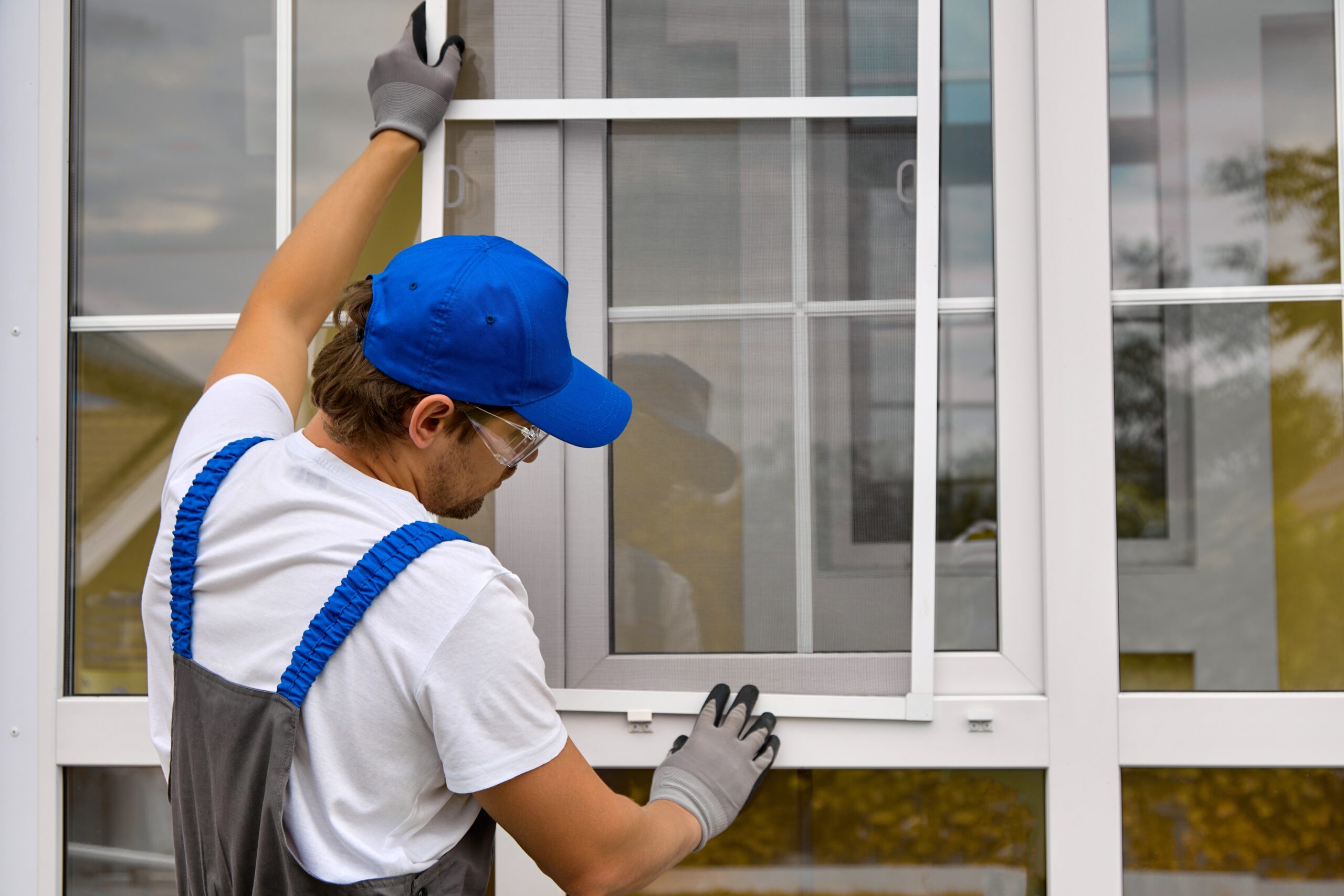
So, you’re building a new house or adding an extension, and it’s time for windows. This part of the process is a bit different from just swapping out an old window. New construction windows are designed to be installed before the siding goes on, which makes things pretty straightforward for the crew. They’re built with a special ‘nailing fin’ or flange around the edge. This fin is key – it’s what gets attached directly to the house framing.
Preparing the Rough Opening
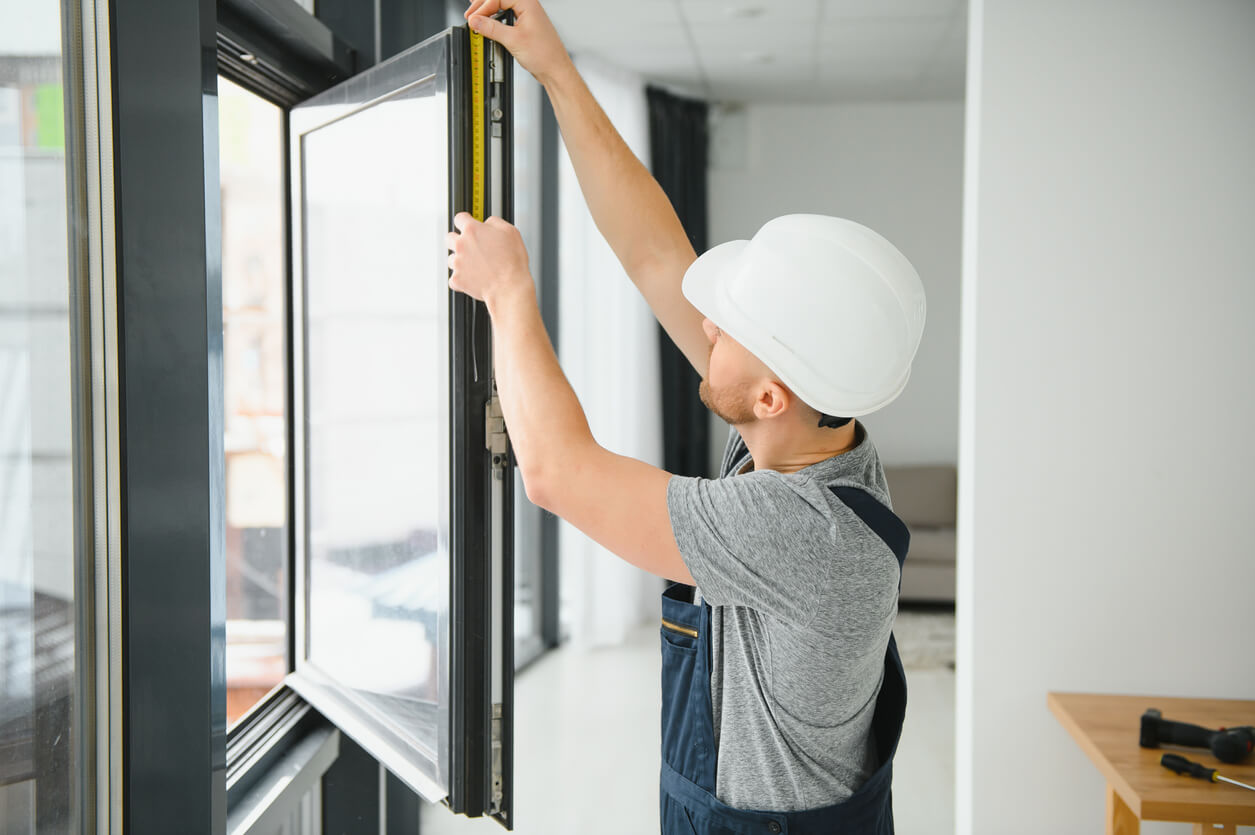
Before the window even shows up, the hole in the wall, called the rough opening, needs to be ready. This means making sure it’s the right size and shape for the window you picked. The framing needs to be solid and square. If it’s not quite right, the installers might need to do some minor adjustments to make sure everything fits perfectly. They’ll also check that the opening is properly sealed to prevent air and water leaks down the line. This prep work is super important for a good seal later on.
Securing the Window Frame
Once the opening is prepped, the window unit is brought in. The installers will carefully place the window into the rough opening. Then comes the nailing fin. This is where the window gets physically attached to the house structure. The installers will use nails or screws to fasten the fin directly to the studs around the opening. This creates a really strong connection. It’s a bit like building the window right into the wall itself, rather than just fitting it into an existing space.
Integrating with the Home’s Envelope
This is where it all comes together. After the window is secured, the next steps involve making sure it’s properly integrated with the rest of the house’s exterior. This usually means applying flashing tape around the nailing fin and the edges of the window. This tape acts as a barrier, preventing water from getting behind the window and into the wall structure. It’s a critical step for protecting your home from moisture damage. Once that’s done, the siding can be installed around the window, covering up the nailing fin and creating a finished look. The goal is a weather-tight seal that keeps the elements out and your home comfortable.
Here’s a quick rundown of the typical order:
- Rough Opening Prep: Ensuring the framed hole is ready and square.
- Window Placement: Carefully setting the new window unit into the opening.
- Securing the Flange: Nailing or screwing the window’s fin to the wall studs.
- Flashing and Sealing: Applying protective tape to prevent water intrusion.
- Siding Installation: Finishing the exterior around the window.
This process is all about creating a solid, weather-resistant barrier. The nailing fin is the star here, allowing the window to become a structural part of the wall before the exterior finishes are applied. It’s a different approach than replacement windows, where you’re working with an existing structure and often trying to fit a new unit into an old space without disturbing the siding too much.
Wrapping Up Your Window Choice
So, picking out windows for a new build isn’t just about looks, though that’s part of it. You’ve got to think about how they’ll work, how easy they are to clean, and what materials make the most sense for your climate and budget. Vinyl often pops up as a solid choice for being tough and good with energy. Remember, going with a good manufacturer can save you headaches and money down the road. It’s worth taking the time to get it right so your new home stays comfortable and looks great for years to come.
Frequently Asked Questions
What’s the main difference between new construction windows and replacement windows?
New construction windows are built with a special frame and a nailing fin, like a little lip around the edge. This fin is used to attach the window directly to the house frame, usually before the outside siding is put on. Replacement windows are designed to fit into an existing window opening without needing to remove the whole old frame. They’re made to slide into place more easily when you’re just updating old windows.
Can I use new construction windows in an older house?
Yes, you can! But it’s a bigger job. To install new construction windows in an existing house, your contractor will likely need to remove the old window and some of the surrounding wall material, all the way down to the main wooden beams (studs). They then rebuild the opening to perfectly fit the new construction window. It’s more work than just swapping out an old window for a new one.
Are new construction windows always better?
Not necessarily better, but they are designed for a specific purpose: new builds or major renovations where the wall structure is exposed. They offer a very secure and weather-tight seal because of that nailing fin. For simply replacing an old window without touching the surrounding walls, a replacement window is usually the simpler and more cost-effective choice.
What makes a window energy-efficient?
Energy-efficient windows help keep your home warm in the winter and cool in the summer, saving you money on heating and cooling bills. Look for windows with double or triple-pane glass, which creates layers of insulation. Also, make sure all the parts of the window fit together snugly, with no gaps, to stop air from leaking in or out.
Why are vinyl windows a popular choice for new construction?
Vinyl windows are a great option because they’re very durable and don’t rot or decay like wood can over time. They’re also naturally good at insulating, which helps with energy efficiency. Plus, they often require less upkeep – you usually don’t have to scrape and paint them every few years like you might with wood or metal windows.
What is a nailing flange, and why is it important?
A nailing flange, also called a nailing fin, is a flat strip that sticks out from the window frame. It’s like an extra edge that allows the window to be securely nailed or screwed directly into the house’s framing. This creates a strong, weathertight seal, making it harder for water and drafts to get into your home. It’s a key feature for new construction installations.