Bridal Sizes Versus Ready-to-Wear
Okay, so first things first: wedding dress sizes are not the same as your everyday clothes. It’s a common thing, but it can be a bit of a shocker. Bridal sizing typically runs smaller than ready-to-wear sizes. This means that if you usually wear a size 14 in jeans, you might find yourself needing an 18 or even a 20 in a wedding dress. Don’t let that number on the tag get you down, though. It’s just a number, and the most important thing is how the dress fits and makes you feel. It’s all about your measurements and finding a gown that flatters your unique shape, not about fitting into a specific size.
Designer Sizing Variations
Even within the world of wedding dresses, sizing can be all over the place. One designer’s size 18 might fit completely differently than another’s. It’s like how different shoe brands can fit differently, you know? This is why it’s super important to try on a variety of styles and brands. Don’t get discouraged if a dress from one designer feels a bit snug or loose in certain areas. It just means that particular designer’s cut isn’t the perfect match for you, and there are plenty of other options out there. Always check the specific designer’s size chart if you can, but really, the best approach is to try things on.
What Size Is Considered Plus Size?
So, what exactly counts as a plus size wedding dress? Generally speaking, if you’re looking at a dress size 14 or above, you’re in the plus-size range for bridal wear. However, this can vary a bit between different shops and designers. Some might start their plus-size collections at a size 16, while others might go up to a 30W or even higher. It’s good to know that most bridal shops now carry a decent selection of plus-size wedding dresses in Idaho, so you should have plenty of choices. The key is to focus on finding a dress that fits well and makes you feel amazing, regardless of the specific number on the label.
Remember, the goal is to find a dress that makes you feel beautiful and confident on your wedding day. Sizing can be confusing, but it’s just a starting point. Focus on the fit, the style, and how the dress makes you feel. Your perfect plus size wedding dress is out there!
Flattering Silhouettes for Every Bride
Finding the perfect wedding gown is all about celebrating your shape, and thankfully, there are some classic silhouettes that tend to work wonders for many body types. When you’re browsing through the beautiful gowns at a place like Downtown Bridal & Dress Shop, keep these styles in mind. They’re popular for a reason!
The Universally Flattering A-Line
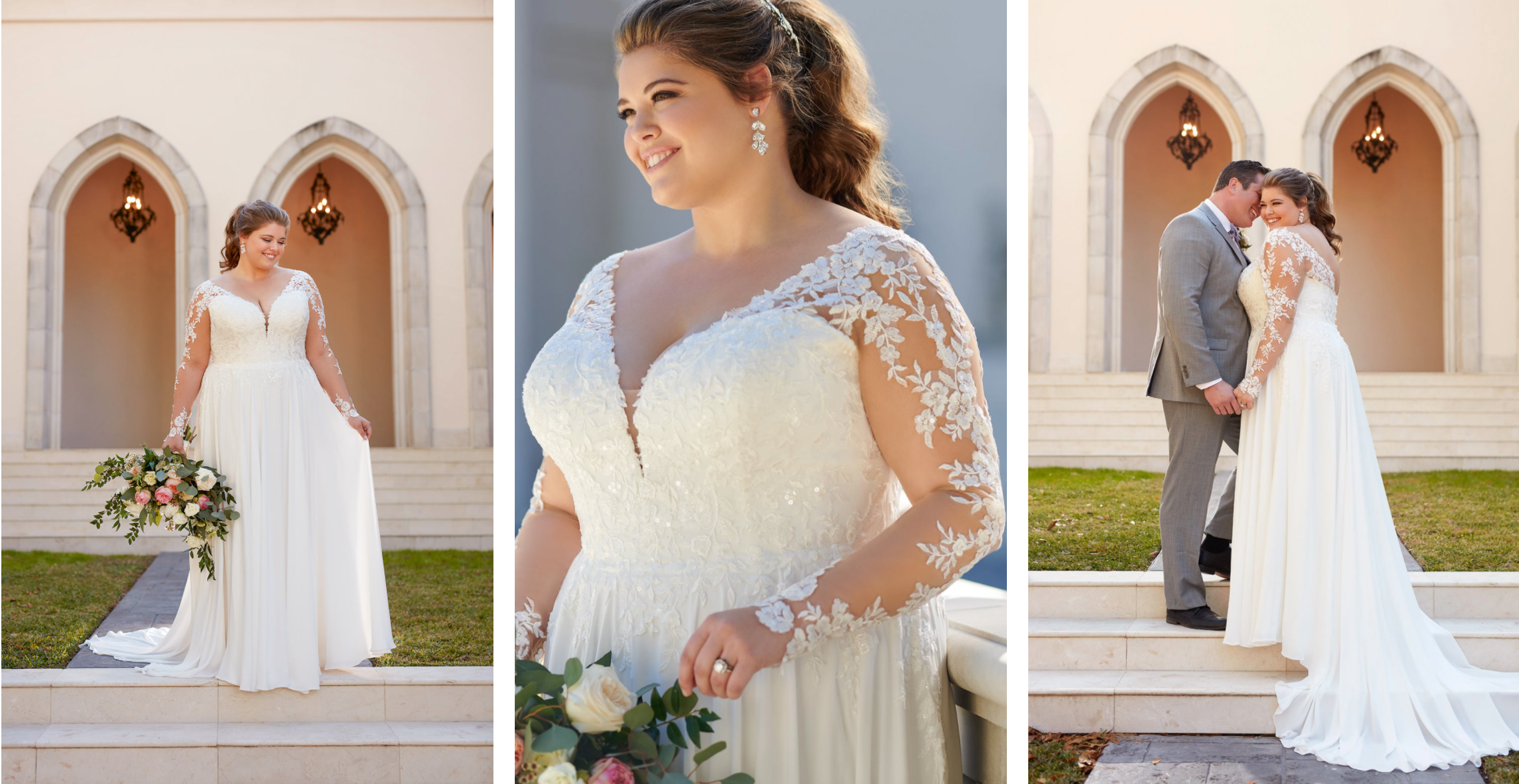
This is a go-to for a reason. The A-line dress is fitted through the bodice and then gradually flares out from the waist, creating a shape that resembles the letter ‘A’. It’s a fantastic choice because it cinches you in at your smallest point and then flows away, which is super forgiving and comfortable. It works well for almost everyone, drawing attention to your waist while gracefully skimming over your hips and thighs. You can find A-line gowns in all sorts of fabrics, from light and airy chiffon to structured satin.
Embrace the Ball Gown Fairytale
If you’ve always dreamed of a fairytale wedding, the ball gown is your ticket. It features a fitted bodice and a very full, voluminous skirt that starts at the waist. This style is brilliant for creating an hourglass figure, as it cinches the waist dramatically and then balances out the volume of the skirt. It’s a classic choice that makes a real statement and is perfect for a grand celebration.
Highlighting Curves with Mermaid and Trumpet Styles
For brides who love to show off their curves, the mermaid and trumpet styles are stunning options. These gowns are fitted through the bodice, waist, and hips, and then flare out dramatically below the knee (mermaid) or a bit higher up (trumpet). They really hug your shape in all the right places. Many modern versions come with built-in support, like boning and structured fabrics, so they feel secure and comfortable while still looking incredibly glamorous.
The Chic Fit and Flare Option
Similar to the mermaid and trumpet, the fit and flare dress is fitted through the bodice and hips but has a more subtle flare that begins higher up, often around the mid-thigh. This style is a bit less dramatic than a full mermaid but still offers a beautiful shape that accentuates your natural curves. It’s a sophisticated choice that provides a lovely silhouette and allows for easier movement than some of the more fitted styles. It’s a great way to feel elegant and put-together.
Remember, these are just starting points. The most important thing is how you feel in the dress. Don’t be afraid to try on different silhouettes, even if you think they might not be ‘for you.’ Sometimes the dress that surprises you the most is the one you’ll fall in love with.
Choosing Styles That Enhance Your Shape
Accentuating the Neckline and Shoulders
When you’re looking for a wedding dress, the neckline and shoulders can really make a difference in how the dress looks and feels on you. Think about what you want to highlight. An off-the-shoulder style, for example, is lovely for showing off your collarbones and shoulders. It adds a touch of romance and can make you feel quite elegant. Another option is a V-neck or sweetheart neckline. These styles can draw the eye upwards and create a nice visual line, which can be really flattering. Don’t forget about straps too! Wider straps can offer more support, while delicate spaghetti straps can feel lighter. It’s all about finding what makes you feel comfortable and beautiful.
Dresses for an Hourglass Figure
If you have an hourglass shape, meaning your bust and hips are roughly the same width with a well-defined waist, you’ve got some fantastic options. Styles that cinch in at the waist are your best friend here. Think about mermaid or trumpet silhouettes. These dresses hug your curves through the bodice and hips before flaring out, really celebrating your natural shape. A well-fitted A-line or even a ball gown can also work wonders by emphasizing your waist. The key is to find a dress that follows your natural lines without hiding them. A dress that accentuates your waist will likely be a winner.
Balancing Broader Shoulders
For those with broader shoulders, the goal is often to create a more balanced look. A-line and ball gown silhouettes are great for this. The fullness of the skirt in these styles can help balance out the width of your shoulders, creating a more proportional silhouette. Necklines that draw attention downwards or outwards can also help. Consider styles with a wider neckline, like a boat neck or a square neck, or even a V-neck that opens up the décolletage. Details on the skirt, like ruffles or embellishments, can also add visual weight to your lower half, further balancing your proportions.
Creating Curves with Sheath Styles
Sheath dresses are known for their sleek, straight silhouette. While they might seem like they wouldn’t add curves, they can actually be quite effective in creating a more defined shape, especially with the right design elements. Look for sheath dresses that have ruching or gathering around the waist. This can create the illusion of a smaller waist and more shapely hips. Details like a belt or sash can also cinch you in and add definition. Some sheath dresses also have subtle flare at the hem, which can give a bit of shape to the lower body. It’s about finding a sheath that has those little extras to give you that curvier look if that’s what you’re after.
When choosing a wedding dress, remember that the “rules” are more like guidelines. What looks good on paper might not feel right on you, and vice versa. The most important thing is how you feel in the dress. If you feel amazing, confident, and beautiful, then that’s the dress for you, no matter what the silhouette is called or what “experts” say.
Here are some things to keep in mind when looking at different styles:
- Neckline: Consider how it frames your face and décolletage. Sweetheart, V-neck, off-the-shoulder, and scoop necks all offer different effects.
- Waistline: Where the dress cinches or fits can dramatically change your silhouette. Empire, natural waist, and dropped waistlines all create different looks.
- Skirt Shape: From a dramatic ball gown to a sleek sheath, the skirt is a major component. A-line, mermaid, trumpet, and fit-and-flare all have distinct characteristics.
- Fabric: The material of the dress impacts its structure and drape. Stiffer fabrics like satin can create more structure, while softer fabrics like chiffon or tulle offer a lighter, flowing feel.
Navigating the Shopping Experience
Start Your Search Early
Wedding dress shopping can feel like a marathon, not a sprint, especially when you’re looking for that perfect plus-size gown. Most wedding dresses aren’t sitting on a rack waiting for you; they’re made to order. This means they take time to arrive after you place your order – we’re talking months, not weeks. Plus, you’ll likely need a few fittings to get everything just right. So, if your wedding is, say, a year away, you should really be starting your dress hunt around the nine-month mark. This gives you plenty of breathing room for ordering, delivery, and those all-important alterations. Trying to rush this process can add unnecessary stress to an already busy time.
The Importance of a Supportive Consultant
Finding the right bridal consultant can make all the difference. You want someone who listens, understands your vision, and makes you feel comfortable and celebrated, not judged. A good consultant knows that bridal sizing is different from your everyday clothes and won’t make you feel bad about the numbers on the tag. They should be focused on how the dress looks and feels on you, not just the size it is. They’re there to guide you, offer suggestions based on what flatters your shape, and help you explore different styles you might not have considered. Think of them as your personal dress fairy godmother.
Keeping an Open Mind During Try-Ons
It’s easy to go into a bridal appointment with a very specific dress in mind, maybe one you saw on Pinterest or in a magazine. But sometimes, the dress you think you want isn’t the one that makes you feel absolutely amazing when you put it on. Bridal consultants often have a knack for picking out styles that will suit you, even if they aren’t what you initially pictured. Be open to trying on different silhouettes, fabrics, and even colors. You might be surprised by what looks incredible on you. Remember, the goal is to find a dress that makes you feel beautiful and confident, and that might come from an unexpected place.
Here’s a quick look at what to expect:
- Bridal Sizing: It’s usually smaller than regular clothing sizes. Don’t get hung up on the number.
- Consultant’s Role: They should be knowledgeable, supportive, and focused on your comfort and style.
- Try-Ons: Be prepared to try various styles, even those you didn’t initially consider.
- Alterations: Factor in time for adjustments; most dresses need some tweaking.
The most important thing is how you feel in the dress. If it makes you feel confident and beautiful, that’s the right one, no matter the size or style.
Focusing on Fit and Fabric
Finding the perfect wedding dress isn’t just about the style you love; it’s also about how it feels and how it’s made. The right fabric and construction can make a huge difference in how you look and feel on your big day. Think about it – you’ll be wearing this dress for hours, so comfort is key, but so is that polished, put-together look.
The Role of Supportive Construction
When you’re looking at dresses, pay attention to what’s going on inside. A well-constructed gown often has built-in support, like boning in the bodice or a structured lining. This isn’t just about keeping the dress in place; it’s about creating a smooth silhouette and giving you that extra bit of confidence. Some dresses even come with built-in shapewear, which can be a real game-changer for a flawless finish.
Considering Fabric Drape and Structure
Fabrics have personalities, you know? Some are light and flowy, while others are more rigid and hold their shape. For plus-size brides, this is super important. Fabrics like chiffon or organza are great for creating soft, romantic looks and can drape beautifully without adding bulk. They’re perfect for A-line or empire waist styles. On the other hand, heavier fabrics like satin or taffeta offer more structure. They’re excellent for ball gowns or mermaid styles because they hold that dramatic shape and give a really polished look. Lace can add texture and detail without being too heavy, and tulle is fantastic for that fairytale volume.
Here’s a quick rundown of some common fabrics and what they do:
- Chiffon: Lightweight, airy, drapes well. Good for soft, romantic styles.
- Satin: Smooth, luxurious, provides structure. Great for holding shape.
- Lace: Adds texture and detail, can be romantic or vintage.
- Organza: Crisp, holds shape, good for volume without weight.
- Tulle: Sheer, net-like, creates volume, perfect for fairytale looks.
- Taffeta: Crisp, smooth, offers excellent structure for dramatic shapes.
The right fabric can make a dress feel like a second skin, providing comfort and a beautiful silhouette. Don’t be afraid to touch the fabrics and see how they move and feel.
Allowing Time for Alterations
No matter how perfect a dress seems off the rack, most wedding dresses need some tweaks to fit just right. This is especially true for plus-size gowns, as standard sizing doesn’t always account for every curve. Plan for at least one or two alteration appointments after you’ve found ‘the one’. This gives you plenty of time to make sure everything is perfect, from the hemline to the bodice. A good seamstress can work wonders, making a beautiful dress fit your body like it was made just for you.
Embracing Your Unique Beauty
Confidence Is Your Best Accessory
Look, finding your wedding dress is a big deal, right? And if you’re a plus-size bride, sometimes it feels like the options are limited or just not what you imagined. But here’s the thing: your confidence is the absolute best thing you can wear on your wedding day. Forget about fitting into some mold or chasing a number on a tag. The most stunning dress is the one that makes you feel amazing, powerful, and totally yourself. It’s about celebrating who you are, right now, curves and all.
Celebrating Your Curves
It’s time to ditch any old ideas about what a bride should look like. Your curves are beautiful, and they deserve to be showcased! Don’t shy away from styles that highlight your shape. Whether you love a defined waist, a dramatic flare, or a sleek silhouette, there’s a dress out there that will make your features pop. Think about what you love most about your body and look for dresses that play that up. It’s not about hiding anything; it’s about showing off your gorgeous self.
Finding a Dress That Reflects Your Personality
Your wedding dress is more than just fabric; it’s a statement about you. Are you a romantic at heart? Maybe a soft lace or flowing chiffon is your vibe. Are you more of a modern minimalist? A clean, structured gown might be perfect. Don’t be afraid to try styles you might have initially dismissed. You might be surprised by what catches your eye and feels just right. The goal is to find a dress that feels like an extension of your personality, so when you look back at your photos years from now, you see you.
Remember, the wedding industry has come a long way, and there are so many designers and boutiques now dedicated to making beautiful, well-fitting gowns in Idaho for every size. Don’t settle for anything less than a dress that makes you feel absolutely incredible.
Frequently Asked Questions
What size is considered a plus-size wedding dress?
Generally, wedding dresses size 14 and up are considered plus-size. But remember, sizes can be different between designers. It’s always best to check the specific designer’s size chart.
Are bridal sizes different from regular clothing sizes?
Yes, they often are! Bridal sizes usually run smaller than the sizes you find in regular clothing stores. So, if you’re a size 14 in everyday clothes, you might be a size 18 or 20 in bridal sizing. Don’t worry about the number on the tag; focus on how the dress fits and makes you feel.
What are the most flattering dress shapes for plus-size brides?
Many shapes look great! A-line dresses are super flattering because they cinch at the waist and flow out. Ball gowns give a fairytale feel with a fitted top and full skirt. Mermaid and trumpet styles hug your curves and flare out at the bottom, which can be stunning. Fit and flare is also a great option, fitted through the hips and then flaring out.
How important is the consultant when shopping?
A good bridal consultant is super important! They should be supportive, understanding, and help you find a dress that fits your style and body, not just focus on the size. They can offer great advice and make the experience much more enjoyable.
Should I leave time for alterations?
Absolutely! Most wedding dresses need some adjustments to fit perfectly. It’s wise to plan for at least three fittings and allow plenty of time for any tweaks before your wedding day. Ordering your dress early gives you this breathing room.
What if I don’t like the first few dresses I try on?
It’s totally okay! Keep an open mind and be willing to try different styles, even ones you didn’t think you’d like. Sometimes the dress you least expect turns out to be the perfect one. Your confidence is the most important thing, so find a dress that makes you feel amazing.